BESPLATNA KONSULTACIJA SA STRUČNJAKOM ZA UMETNOST

x
Kupi štampu Kupi štampuNaručite reprodukciju Naručite reprodukciju PošaljiPošalji
Detalji o deluDetalji o delu Dodaj u omiljene Dodaj u omiljene ПреузмиПреузми Slični predmetiSlični predmeti Rendgenski snimakRendgenski snimak SlajdoviSlajdovi

Untitled (D2XACE)

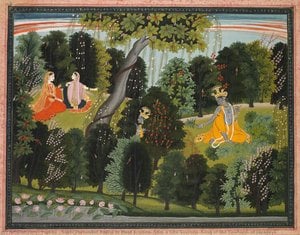
Magnificent 1725 miniature painting by manaku depicting a dramatic Hindu myth scene! Intricate details, layered artistry & earthy tones showcase traditional Indian style. A captivating piece for art collectors.

Explore Manaku (1700-1760), a master of Pahari painting from Guler, India. Discover his Ramayana & Gita Govinda masterpieces and the brilliance of this rediscovered artist.

Kupite digitalnu sliku visoke rezolucije i poboljšanog kvaliteta, koja je znatno superiornija od onoga što vidite u online prikazu.

Svaka datoteka je pedantno pripremljena od strane naših stručnjaka koristeći napredne alate i profesionalnu ručnu retušu. Osiguravamo da svaka slika ima izuzetnu oštrinu, preciznu reprodukciju boja i fine detalje.

Konačna datoteka se dostavlja putem e-pošte u roku od 72 sata, optimizovana za neposrednu upotrebu u profesionalnim, izdavačkim i štamparskim okruženjima. To je isti kvalitet kojem veruju vrhunski studiji dizajna, izdavači i galerije.

Digitalna slika

Preuzmite datoteku visoke rezolucije za ličnu upotrebu, štampanje i kreativne projekte.

Ukupna cena

$9.99

Uključeno uz svaku porudžbinu digitalne slike

Profesionalna digitalna isporuka, zagarantovana

Kada odaberete WahooArt.com, ne dobijate samo sliku – vi primate profesionalno unapređeno digitalno umetničko delo, izrađeno sa najvećom preciznošću i uz garanciju zadovoljstva. Evo svega što automatski dolazi uz vašu porudžbinu:

shipping_icon
Brza dostava putem e-pošte

Vaša digitalna slika visoke rezolucije biće vam poslata putem e-pošte u roku od 72 sata od poručivanja – spremna za trenutnu upotrebu.

canvas_icon
Digitalna datoteka unapređena veštačkom inteligencijom

Vaše umetničko delo je profesionalno optimizovano korišćenjem naprednih AI alata i ručne obrade, čime se osiguravaju maksimalni detalji, oštrina i preciznost boja.

insurance_icon
Besplatna ponovna isporuka doživotno

Slučajno ste obrisali ili izgubili svoju datoteku? Ne brinite – poslaćemo vam je ponovo u bilo kom trenutku, potpuno besplatno.

tax_icon
Bez troškova uvoza – zauvek

Uživajte u svojim umetničkim delima trenutno, bez carine, dažbina ili troškova dostave – digitalni download je uvek bez poreza.

color_icon
Garancija vernosti boja

Uz pomoć profesionalnih alata i upravljanja bojama, osiguravamo da vaša digitalna slika što vernije odražava originalne boje.

return_icon
Garancija zadovoljstva u roku od 60 dana

Ako niste zadovoljni svojom digitalnom slikom, revidirat ćemo je ili vratiti 100% novca u roku od 60 dana – bez ikakvih pitanja.

guarantee_icon
100% garancija povrata novca

Niste zadovoljni? Obezbedite pun povrat novca u roku od 60 dana od trenutka kada ste primili svoju digitalnu datoteku – bez suvišnih pitanja.

discount_icon
Popusti na velike porudžbine

Kupite 3 slike, uštedite 10% - Kupite 5 slika, uštedite 15% - Kupite 10+ slika, uštedite 20%. Odlično za kreativne projekte, galerije i agencije.

Osnovne informacije

  • influences: Mughal art
  • style: Miniature painting
  • artist: Manaku
  • year: 1725
  • movement: Pahari Painting
  • subject: Hindu mythology – 'Manaku Releases the Demon Spies Shuka and Sarana – Follow from the Siege of Lanka' series

Kviz o umetnosti

Svako pitanje ima samo jedan tačan odgovor.

Pitanje 1:
To which artistic style does this artwork primarily belong?
Pitanje 2:
Manaku, the artist of this work, experienced a period of relative obscurity. What led to his rediscovery as a significant figure in art history?
Pitanje 3:
What is the primary subject matter depicted in 'Untitled (D2XACE)'?
Pitanje 4:
The description notes a specific influence on Manaku's work. Which empire heavily influenced the art of Guler, where Manaku was born?
Pitanje 5:
What characteristic is typical of miniature painting as seen in this artwork?

Opis kolekcionarskog dela

A Moment of Divine Intervention: ‘Manaku Releases the Demon Spies’

This captivating miniature painting, *Untitled (D2XACE)*, transports us to a pivotal scene from the epic Hindu tale of the Ramayana – specifically, the siege of Lanka. Created in 1725 by Manaku, a master artist from the Guler school of Pahari painting, this work isn’t merely an illustration; it's a meticulously crafted narrative frozen in time. Measuring 57 x 79 cm, the composition bursts with detail, depicting the moment Manaku releases the demon spies Shuka and Sarana, dispatched by Ravana to infiltrate Rama’s army. The foreground is dominated by a throng of demons, their forms varying in definition – a stylistic choice that emphasizes the sheer scale of Ravana's forces while focusing our attention on key figures within the scene. A formidable stone wall, complete with towers and gateways, anchors the composition, creating a sense of enclosure and impending conflict. Above, a balcony scene adds another layer to the narrative, hinting at courtly observation or divine intervention.

The Art of Pahari Miniature Painting

Manaku’s style is deeply rooted in the Pahari tradition – a school renowned for its delicate brushwork, vibrant yet nuanced color palettes, and intimate scale. Influenced by the declining Mughal Empire, Manaku skillfully blends Persian artistic conventions with indigenous Indian aesthetics. Notice the flattened perspective, characteristic of miniature painting; depth is achieved not through realistic spatial recession but through careful layering and overlapping forms. The artist employs precise lines to define details, while geometric shapes – squares, rectangles, and rounded figures – structure the composition. The technique itself is a testament to patience and skill, involving the application of thin washes of pigment (likely egg tempera) onto a prepared surface, building up form and luminosity gradually. The earthy tones punctuated by reds and golds create a warm, inviting atmosphere despite the scene’s inherent drama.

Symbolism & Historical Context

Beyond its aesthetic beauty, *Untitled (D2XACE)* is rich in symbolism. The depiction of demons and divine figures embodies the eternal struggle between good and evil – a central theme in Hindu mythology. Manaku's work provides valuable insight into the cultural and religious beliefs of 18th-century India. He lived during a period of political fragmentation, yet artistic innovation flourished within the independent hill states like Guler. Manaku’s rediscovery, largely thanks to scholars like B.N. Goswamy, highlights the importance of recognizing artists previously overshadowed by more famous contemporaries – in this case, his younger brother Nainsukh. This painting is not just a work of art; it's a historical document reflecting a specific time and place, offering a glimpse into the artistic landscape of Pahari painting.

Emotional Resonance & Collecting Considerations

The emotional tone of *Untitled (D2XACE)* is one of epic conflict tempered by spiritual significance. While depicting a moment of strategic release – the demons are being sent back to report on Rama’s forces – there's an underlying sense of anticipation and impending battle. The painting evokes a feeling of immersion within this ancient narrative, inviting contemplation on themes of duty, deception, and divine will. For collectors and interior designers, a high-quality reproduction of this work offers a unique opportunity to introduce a touch of refined elegance and cultural richness into any space. Its intricate details and harmonious color palette make it a versatile piece that complements both traditional and contemporary settings.

Biografija umetnika

Manaku: A Rediscovered Master of Pahari Painting

Life and Obscurity

  • Born around 1700 in Guler, a small hill state in present-day Himachal Pradesh, India.
  • Died in 1760. His life remains largely shrouded in obscurity, overshadowed by the fame of his younger brother, Nainsukh.
  • Rediscovery: For centuries, Manaku’s contributions were almost entirely forgotten until art historians like B.N. Goswamy brought his work to light and recognized his significant role in Pahari painting.

Artistic Style and Influences

  • Pahari Painting: Manaku is now celebrated as a key exponent of the Pahari style, characterized by its delicate brushwork, vibrant colors, and focus on themes from Hindu mythology and courtly life.
  • Mughal Influence: The art of Guler, and thus Manaku’s work, was significantly influenced by the waning Mughal Empire. Artists migrating from the Mughal courts brought with them techniques and aesthetics that blended with local traditions.
  • His father, Seu, a prominent artist himself, served as an early mentor, instilling in him foundational skills and artistic principles.

Major Works and Themes

  • Rama Releases the Demon Spies: (folio from the Siege of Lanka series) – A powerful depiction of a pivotal moment from the Ramayana, showcasing Manaku’s skill in narrative storytelling.
  • South Wind Cools in the Himalayas: (folio from the Second Guler Gita Govinda series) – Demonstrates his mastery in portraying scenes from the Gita Govinda, a celebrated work of Sanskrit poetry focused on the love between Krishna and Radha.
  • Hiranyakashipu Commands His Demon Warriors: (preparatory drawing from the ‘Small Bhagavata Purana’ series) – Exemplifies his ability to convey complex narratives with dynamic composition and expressive figures.
  • His works often feature themes of devotion, heroism, love, and the eternal struggle between good and evil.

Artistic Development & Achievements

  • Only four extant works bear Manaku’s signature, making each piece exceptionally valuable and insightful into his artistic practice.
  • Unique Vision: While influenced by Mughal aesthetics, Manaku developed a distinct style characterized by a refined sense of color, delicate detailing, and an ability to capture emotional depth in his figures.
  • He contributed significantly to the development of Pahari painting, establishing a foundation for future generations of artists in the region.

Historical Significance & Legacy

  • Manaku’s rediscovery has enriched our understanding of 18th-century Indian art and the vibrant artistic traditions of the Pahari region.
  • Family Atelier: He was part of a prolific family of artists – the Seu-Manaku-Nainsukh lineage – that played a crucial role in shaping the course of Pahari painting for over 150 years.
  • His work continues to inspire art enthusiasts and scholars, offering a glimpse into a rich cultural heritage and the artistic brilliance of a previously overlooked master.
Manaku

Manaku

1760 , India

Kratke činjenice

  • Birth_Date: c. 1700
  • Birth_Place: Guler, India
  • Death_Date: 1760
  • Influenced: Nainsukh
  • Influenced_By: Mughal painting (through Seu)
  • Movement: Pahari Painting
  • Name: Manaku
  • Nationality: Indian
  • Notable_Works:
    • Rama releases the demon spies Shuka and Sarana
    • South Wind cools in the Himalayas
    • Hiranyakashipu commands his demon warriors to threaten and injure Prahlada