Pregledaj u prostoru AR pregled Kupi ručno naslikanu sliku Pređi na digitalnu sliku Pošalji
Detalji o delu Dodaj u omiljene Преузми Slični predmeti Rendgenski snimak Slajdovi Statistika

The Forge of Vulcan

Luca Giordano je italijanski pozno barokski slikar poznat po brzini i veličanstvenim freskama koje su transformisale arhitekturu Italije i Španije. Najpoznatiji su njegovi radovi iz Napolja, uključujući osuđenje Paraisa i Krist sa lekarima, kao i monumentalne dekoracije u Crkvi svetog Karola velikog u Firenci. Stil Giordano je kombinovao dramatsku realističnost Ribere, svetlost Veroneza i dinamičn

Giclee štampa / Umetnički otisak

Giclée štampa ili print na platnu muzejskog kvaliteta uz brzu proizvodnju i fleksibilne opcije završne obrade. ( Kupi ručno naslikanu sliku Pređi na digitalnu sliku)

P118B $10
P118H $10
P118W $10
P438Z $10
P508JH $12
P508YH $12
P805H $10
P805Z $10
P919BZ $10
P919G $10
P919XJ $10
P959ZH $10
P968JZ $12
W106C $8
W218G $10
W218JH $8
W218Y $10
W307PJ $10
W316G $10
W316PJ $8
W316Y $10
W398PJ $8
W4111J $10
W500HY $15
W500JH $15
W692G $12
W849H $8
W940BG $15
W953PJ $8

Standardne dimenzije
po meri
CM
INCH

Izaberite jednu od naših unapred definisanih veličina koje odgovaraju originalnim proporcijama umetničkog dela.

širina
visina

Možete uneti sopstvene dimenzije kako biste umetničko delo prilagodili specifičnom okviru ili prostoru. Ako odabrani format ne odgovara proporcijama originalne slike, mi ćemo ili iscrtati deo dela ili proširiti sliku pomoću ogledane ivice ili jednobojnog popunjavanja. Digitalni prikaz će vam biti poslat na odobrenje pre početka proizvodnje.
Imajte na umu da pregled na ekranu ne odražava stvarno iscrtavanje ili proširivanje. Samo će prikaz (mockup) precizno pokazati finalnu kompoziciju.
Iako su prilagođene dimenzije dostupne, preporučujemo da odaberete dimenziju sa unapred definisane liste kako biste očuvali originalne proporcije.

Dostava širom sveta () za 2 nedelje umesto uobičajenih 4/5 nedelja. (15 септембар)

why_choose_icon
Besplatna ekspresna dostava širom sveta
why_choose_icon
Visokokvalitetno laneno platno
why_choose_icon
Kompletno osiguranje transporta
why_choose_icon
Garancija povraćaja carine i uvoznih dažbina
why_choose_icon
Garancija vernosti boja
why_choose_icon
Politika povraćaja u roku od 100 dana (isključivo u slučaju nedostataka)
why_choose_icon
Garancija povrata novca od 100%
why_choose_icon
Popust pri grupnoj kupovini

Ukupna cena

$ 68

reproduction

The Forge of Vulcan

Giclee štampa / Umetnički otisak

Dimenzije reprodukcije

-

Konačna cena

$ 68

Osnovne informacije

  • Artistic style: Energetic dynamism; Luminosity and expressive color.
  • Title: The Forge of Vulcan
  • Medium: Oil on Canvas
  • Year: 1660
  • Notable elements or techniques: Dramatic lighting; Detailed depiction of blacksmiths' tools.
  • Artist: Luca Giordano
  • Dimensions: 193 x 152 cm

Kviz o umetnosti

Svako pitanje ima samo jedan tačan odgovor.

Pitanje 1:
Luca Giordano is renowned for his distinctive style characterized by luminosity and movement. What artistic movement primarily influenced this stylistic approach?
Pitanje 2:
The painting depicts a scene of blacksmiths at work in the 17th century. What architectural element is prominently featured in the background, contributing to the image's depth and texture?
Pitanje 3:
Giordano’s apprenticeship under Jusepe de Ribera significantly impacted his artistic style. How did Ribera’s influence differ from Giordano's?
Pitanje 4:
The nickname ‘Luca fa presto’ reflects what aspect of Giordano's artistic talent?
Pitanje 5:
What is the primary subject matter of ‘The Forge of Vulcan’?

Luca Giordano’s Dramatic Vision of Labor: An Exploration of ‘The Forge of Vulcan’

Luca Giordano, a singular figure in the Baroque landscape, wasn't merely an artist; he was a conduit for dynamism and fervor—a painter who fundamentally reshaped architectural grandeur across Italy and Spain. Born in Naples in 1634, his artistic journey began under the tutelage of Jusepe de Ribera, absorbing the somber realism that characterized Ribera’s oeuvre. Yet Giordano swiftly distinguished himself with an innate luminescence and movement, establishing a style instantly recognizable for its theatrical grandeur and meticulous detail. This distinctive approach—captured brilliantly in ‘The Forge of Vulcan,’ completed around 1660—offers a captivating glimpse into both artistic innovation and the cultural milieu of his time.
  • Subject Matter: The painting depicts a bustling forge scene, populated by several artisans engaged in the arduous process of metalworking. Precise depictions of hammers striking anvils, chisels shaping iron bars, and men diligently crafting tools convey an immediacy that transcends centuries.
  • Style & Technique: Giordano’s masterful command of chiaroscuro—the dramatic interplay between light and shadow—dominates the composition. He employs a bold palette dominated by earthy tones contrasted with vibrant highlights, creating a palpable sense of heat and energy. The artist's meticulous attention to anatomical accuracy ensures that each figure possesses a convincing physicality, furthering the scene’s realism.

Historical Context: Naples Under Bourbon Rule & Artistic Patronage

‘The Forge of Vulcan’ emerged during Naples’ reign under Bourbon rule—a period marked by significant artistic patronage. The Bourbon monarchy actively supported artists like Giordano, recognizing the power of visual art to elevate civic pride and commemorate royal achievements. This context informs our understanding of the painting's purpose: it served as a celebration of craftsmanship and industriousness – values deeply ingrained in Neapolitan society during the Baroque era.
  • Symbolism: The forge itself represents more than just a workshop; it embodies transformation, resilience, and divine creation. Vulcan, the Roman god of fire and metalworking—whose likeness is subtly incorporated into the composition—symbolizes power and craftsmanship. The figures depicted are not merely laborers but embodiments of virtue and dedication – qualities prized by Baroque artists.
  • Emotional Impact: Giordano’s depiction evokes a profound sense of drama and aspiration. The viewer is drawn into the scene's energetic rhythm, experiencing both the physical exertion of the artisans and their unwavering commitment to their craft. It speaks to an enduring fascination with human endeavor and the sublime beauty found within disciplined labor.

Giordano’s Legacy & Reproduction Considerations

Luca Giordano's influence extended far beyond Naples, shaping artistic trends across Europe. His ability to infuse monumental spaces with vibrant color and dynamic movement cemented his reputation as one of the Baroque’s foremost innovators. Today, WahooArt offers exceptional reproductions of ‘The Forge of Vulcan,’ meticulously crafted to capture the essence of Giordano’s original vision. These high-quality prints allow art enthusiasts and collectors alike to experience the painting's captivating beauty and historical significance firsthand—bringing a piece of Baroque grandeur into any interior.

Biografija umetnika

Luca Giordano (18 October 1634 – 3 January 1705): Explore the Vibrant Baroque Masterpieces of ‘Luca Fa Presto,’ Naples’ Most Celebrated Painter, Known for His Speed & Dazzling Frescoes

Luca Giordano, born in Naples on October 18th, 1634, was a name that swiftly ascended to prominence within the artistic circles of late Baroque Italy – a moniker synonymous with audacious brilliance and unparalleled productivity. He wasn’t merely an artist; he embodied dynamism itself, a veritable torrent of creativity whose prolific output irrevocably reshaped both canvases and architectural spaces across the peninsula and beyond. His father, Antonio Giordano, instilled in him the initial bedrock of artistic training, yet it was under the watchful eye of Jusepe de Ribera that Luca truly honed his distinctive style – an early apprenticeship that imprinted upon him a profound sense of dramatic intensity and meticulous realism, characteristics evident even in his earliest endeavors. Unlike Ribera’s often subdued palette, Giordano possessed an innate proclivity for luminosity and movement—qualities that would ultimately define the singular aesthetic he championed throughout his illustrious career. Even then, he earned the affectionate nickname “Luca fa presto”—Luca the quick one—a testament to his astonishing speed and seemingly limitless energy; he wasn't simply skilled; he possessed a remarkable aptitude for capturing profound emotion and breathtaking spectacle with an ease that captivated contemporaries.

From Naples’ Artistic Crucible: Early Training & Influences

Giordano’s formative years were steeped in the traditions of Neapolitan painting, where he absorbed the stylistic nuances of his predecessors while simultaneously forging his own path. His father's guidance ensured a solid grounding in artistic principles, yet it was Ribera who profoundly shaped his artistic sensibilities – an encounter that instilled within him a deep appreciation for dramatic chiaroscuro and meticulous observation. This early influence manifested itself in his initial works, characterized by a palpable tension between darkness and light—a stylistic hallmark that would persist throughout his oeuvre. Furthermore, Giordano’s artistic vision was nurtured by the broader cultural landscape of Naples, where humanist ideals mingled with religious fervor. He studied the masterpieces of Titian and Veronese, embracing their opulent color palettes and dynamic compositions – a deliberate contrast to Ribera's somber aesthetic—demonstrating an intellectual curiosity that extended beyond mere technical proficiency. The influence of Pietro da Cortona is also palpable in Giordano’s later frescoes, reflecting his fascination with illusionistic space and theatrical grandeur.

A Career Marked by Motion & Innovation: Travels & Commissions

Giordano’s artistic trajectory wasn't confined to Naples; it unfolded across Italy and Spain – a testament to his ambition and adaptability. Following his formative apprenticeship, he sought opportunities in Rome, Florence, and Venice—cities that served as incubators for artistic experimentation and innovation. In Venice, he immersed himself in the vibrant traditions of Venetian painting, studying the works of Titian and Veronese with unwavering dedication. This exposure broadened his stylistic horizons and instilled within him a deeper understanding of visual storytelling. Florence witnessed Giordano undertake monumental fresco cycles – most notably in the dome of the Corsini Chapel at Chiesa del Carmine—a feat that showcased his burgeoning mastery of illusionistic space and narrative complexity. His ability to transform architectural interiors into immersive theatrical experiences cemented his reputation as one of Italy’s foremost artists. However, it was his decade-long engagement with Spanish artistic culture – commencing in 1682 – that propelled him to international acclaim. Appointed as court painter to Charles II, Giordano reinvigorated the Baroque tradition in Spain, injecting a much-needed dose of Italian exuberance into its more restrained aesthetic.

A Synthesis of Styles: Giordano’s Distinctive Artistic Signature

Giordano's genius lay not in inventing entirely novel techniques but rather in harmoniously blending existing ones – resulting in a remarkably fluid and decorative style. He skillfully combined the dramatic realism inherited from Ribera, the luminous colorism inspired by Venetian painters, and the dynamic compositions reminiscent of Pietro da Cortona—a stylistic convergence that reflected his profound artistic intellect. His brushwork possessed an unparalleled freedom and spontaneity, conveying an impression of effortless grace; he wasn’t afraid to embrace ornamentation, filling his canvases with intricate details and swirling draperies – a characteristic feature of his mature style. This approach enabled him to tackle a diverse range of subjects—from religious scenes and mythological narratives to portraits and decorative schemes—with equal conviction. The Judgment of Paris, housed in the Berlin Museum, exemplifies this stylistic fusion; it’s a dazzling display of classical mythology rendered with a Baroque flair – demonstrating Giordano's mastery of color, composition, and dramatic storytelling.

Legacy & Enduring Influence: Giordano’s Place Among Baroque Masters

Luca Giordano’s legacy extends far beyond his own lifetime—a testament to his enduring artistic significance. He trained numerous pupils who carried forward his stylistic innovations throughout Italy and beyond, ensuring that his distinctive aesthetic continued to inspire generations of artists. His prolific output – estimated at over six hundred paintings and countless fresco cycles – remains a beacon of Baroque artistry, captivating audiences today with its vibrancy and dynamism. The Palazzo Capodimonte in Naples houses an unparalleled collection of Giordano’s works—providing scholars with invaluable insight into the evolution of his artistic vision. Giordano's ability to seamlessly blend technical virtuosity with emotional depth secures his place as one of the most revered figures of the Italian Baroque – a painter whose influence resonates powerfully through the annals of art history. He died peacefully in Naples on January 3rd, 1705, leaving behind an indelible mark upon the artistic landscape of his era and cementing his enduring reputation as ‘Luca Fa Presto,’ the Quick One—a moniker that encapsulates the essence of his unparalleled creative energy.

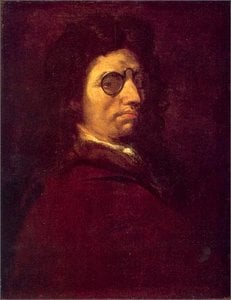
Лука Јођано

Лука Јођано

1634 - 1705 , Италија

Osnovne informacije

  • Artistic Movement Or Style: Pozno Barok
  • Artists Or Movements Influenced By This Artist: ['Paolo de Matteis']
  • Artists Who Influenced This Artist:
    • Jusepe de Ribera
    • Titijan
    • Veroneza
  • Date Of Birth: 1634
  • Date Of Death: 1705
  • Full Name: Luca Giordano
  • Nationality: Talijan
  • Notable Artworks:
    • Sudjenje Parisu
    • Krist sa lekarima
    • Freske u Napulji
  • Place Of Birth: Naples, Italija