Кацушика Хокусај: Живот Угравиран у Тумачу
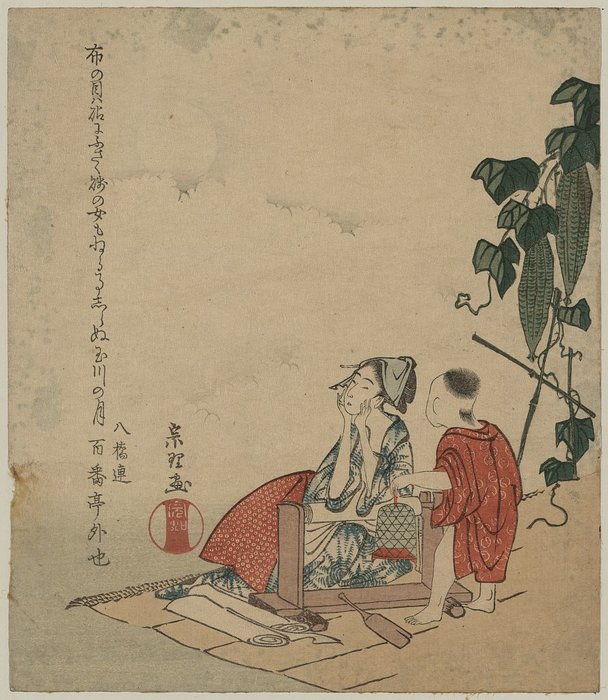
Име Кацушика Хокусаја је синоним за јапанску уметност, а његова најпознатија слика, *Велика Брана код Канагаве*, постала је глобална икона. Али Хокусај је био много више од само гравера дрвореза; он је био неуморан тражилац уметничког савршенства, чији је живот био обележен непрекидном еволуцијом, променама имена и неситижном љубопитвошћу. Рођен у Еду (сада Токио) око 1760. године, из скромног домаћинства сина произвођача огледала, Хокусајева рана склоност ка уметности није била одмах подстакнута, али је његова посвећеност истрајавала, а вештине је немилосрдно усвршавао. Та посвећеност дефинисала је каријеру која је трајала скоро девет деценија, остављајући за собом наслеђе које и данас резонује са публиком широм света.
Од ученика до иноватора: Рађање Стилова
Формално уметничко школовање Хокусаја започело се са дванаест година када је ступио у атеље Кацукава Shunshōа, водећег мајстора *укијо-е* – „слика потопног света“. Овај жанр, популаран током периода Едо, приказивао је сцене из свакодневног живота: глумце, леди лакеје, пејзаже и блискове уживане градске културе. Под Shunshōавим руководством, Хокусај је овладао техником дрвореза, захтевног процеса који захтева прецизност и умешност. Међутим, он није био задовољан само репликама стила свог учитеља. Чак и у раним делима била је присутна немировина, жеља да се руше границе и истражују нове форме изражавања. Експериментисао је са различитим субјектима, од илустрација књига до самосталних штампа, константно усавршавајући своје вештине и развијајући јединствен визуелни језик. Ово раздобље такође је било означено првим од многих промена имена – уобичајена пракса међу *укијо-е* уметницима, која је сигнализирала периоде уметничке обнове или повезаности са различитим школама.
Фудзи и Пловећи Свет: Дефинисање Мајсторских Остварења
Уметничка продукција Хокусаја била је невероватно плодна; хиљаде дрворезова, слика и илустрованих књига носе његов потпис. Иако је истраживао широк спектар тема, било је то серија *Тридесет шест погледа на Фуџи* (око 1790) што је учврстило његову славу. Ова колекција, која садржи сада познату слику *Велика Брана код Канагаве*, није била само приказивање пејзажа; то је било мајсторско истраживање перспективе, композиције и моћи природе. Сама брана, моћна сила спремна да се обруши на мале чамце, оличава како лепоту тако и ужас мора. Поред *Фуџија*, дела попут *Ватреви у Риогyкуу* (1790) демонстрирала су његову способност да заплеће динамичне сцене свакодневног живота са изузетном енергијом и детаљом. Његов *Хокусаи Манга* – колекција скица и студија која обухвата људе, животиње, пејзаже и фантастична створења – био је револуционаран по свом обиму и утицају, најављујући развој модерног манге као форме уметности. Ова дела нису била изолована достигнућа; били су прекретнице у континуираног уметничког пута, свака је градила на последњој да би створила тело рада који је и дубоко укорењен у јапанској традицији и изузетно иновативан.
Наслеђе Преко Граница: Хокусајев Непрекидни Утицај
Утицај Хокусаја превазишао је границе Јапана. У касном 19. веку, када се Јапан отворио свету, *укијо-е* штампе су поплавиле европска тржишта, изазвавши феномен познат као *Јапонизам*. Уметници попут Клода Монеа, Едгара Дегаа и Винсента ван Гога били су задивљени смелим композицијама Хокусаја, наравним бојама и неконвенционалним перспективама. Ван Гог је посебно био под утицајем *Велике Бране*, чак је покушао да је рекреира у својим сликама. Утицај Хокусаја није се ограничио на импресионизам; прожемао је различите модерне уметничке струје, обликујући начин на који су уметници приступали композицији, боји и теми. Нагласак на снимању тренутних тренутака, динамична употреба линија и способност да пронађе лепоту у свакодневном животу резоновала је са генерацијом уметника који траже нове облике изражавања. Чак и данас, дело Хокусаја наставља да инспирише и изазива уметнике широм света, што потврђује његово место као једног од најважнијих ликова у историји уметности. Наставио је да слика до своје смрти 1849. године у доби од 89 година, остављајући за собом огромно дело које остаје сведочанство његове непоколебљиве посвећености и уметничког генија.
- Главни Утицаји: Укијо-е традиције, кинеско сликарство пејзажа, свакодневни живот у Еду.
- Кључне Карактеристике: Смеле линије, наравне боје, динамичне композиције, оштар доживљај природе.


 Pregledaj u prostoru
 Pređi na štampu
 Pošalji
 Podeli
 Detalji o delu

 Преузми
 Slični predmeti
 Rendgenski snimak
 Slajdovi
 Statistika
 Pročitaj više


