Početak Putovanja: Život i Rani Radovi Huana Grisa
Rođen kao Hose Viktorijano Gonzales-Perez u Madridu 1887. godine, umetnik koji će svetu postati poznat kao Huan Gris započeo je putovanje koje će ga postaviti među najznačajnije figure ranog dvadesetovekovne umetnosti. Njegov početni put nije bio onaj koji direktno vodi platnu i kistu; studirao je inženjerstvo na Školi za umetnost i nauku, demonstrirajući analitički um koji će kasnije duboko uticati na njegov umetnički pristup. Čak i tokom ovih formativnih godina, kreativna iskra je plamtela – doprinos crteža lokalnim periodičnim publikacijama nagoveštavao je rastući vizuelni talenat. Upravo 1905. godine usvaja pseudonim Huan Gris, ime koje odjekuje novoosnovanim smislom identiteta i svrhe dok započinje formalne studije slikarstva pod vođstvom Hosea Morena Carbonera. Ovo je označilo ključnu promenu, postavljajući ga na put umetničke inovacije.
Parisko Buđenje i Prihvatanje Kubizma
Godina 1906. svedočila je transformativnom preseljenju u Pariz, grad koji je tada pulsirao umetničkom energijom. Gris se uronio u ovo živahno okruženje, sklapajući prijateljstva sa prosvetljenim umovima poput Henrija Matisa, Žorža Braka i Fernanda Legera. U početku se angažovao u satiričnoj ilustraciji za publikacije kao što je *L'Assiette au Beurre*, usavršavajući svoje veštine posmatranja i razvijajući oštar osećaj vizuelnog duha. Međutim, magnetna privlačnost Pabla Pikasa se pokazala posebno uticajnom. Oko 1910. godine, Gris počinje da se ozbiljno posvećuje slikarstvu, udaljavajući se od karikature i krećući se ka novom jeziku kubizma. Ovo nije bila puka imitacija; krenuo je u potragu za destilacijom suštine oblika i prostora, tražeći novi vizuelni poredak. Njegova rani istraživanja obeleženo je namernim odstupanjem od tradicionalne reprezentacije, prihvatanjem apstrakcije kao sredstva za hvatanje osnovne strukture stvarnosti.
Geometrija Percepcije: Stil i Ključna Dela
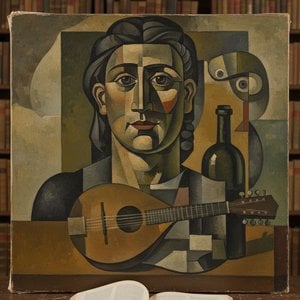
Umetnički rad Huana Grisa karakteriše izuzetna jasnoća i intelektualni rigor. On nije samo dekonstruisao objekte; rekonstruisao ih je sa namernom preciznošću, naglašavajući geometrijske oblike i pažljivo razmotrenu paletu boja. Ovaj pristup ga je doveo do onoga što je postalo poznato kao njegova „kristalna perioda”, exemplifikovano remek-delima poput *Natura mrtva ispred otvorenog prozora* i *Place Ravignan* (1915). Ova dela pokazuju izvanrednu interakciju ravni i uglova, stvarajući osećaj dubine i solidnosti istovremeno izazivajući konvencionalne predstave o perspektivi. Nakon 1913. godine, Gris je prihvatio sintetički kubizam, pionirski koristeći *papier collé* – kolaž – ugrađujući stvarne materijale poput izrezaka novina i teksturiranih papira u svoje kompozicije. Ova tehnika dodaje još jedan sloj kompleksnosti i taktilnosti njegovom radu, zamućujući granice između slikarstva i skulpture. Vredna dela uključuju *Gitara ispred mora* (1925), svedočanstvo o njegovim pojednostavljenim oblicima i poštovanju kubističkih principa, i *Počast Pablu Pikasu* (1912), što je signaliziralo njegov rastući ugled u avangardnom svetu umetnosti.
Nasleđe i Trajni Uticaj
Huan Grisov doprinos kubizmu seže dalje od same stilističke inovacije; doneo je jedinstvenu intelektualnu dubinu i strukturnu jasnoću pokretu. Prešao je iz analitičke faze, ka organizovanijem i sintetičkom pristupu, naglašavajući red i preciznost. Njegov rad je snažno uticao na puristički stil koji su zagovarali Amade Ozenfant i Šarl Eduar Žanere (Le Korbuzije), pozivajući se na povratak klasičnim principima oblika i kompozicije. Grisova naglašena geometrijska forma, harmonične palete boja i integracija svakodnevnih predmeta u njegovu umetnost uspostavile su ga kao ključnu figuru dvadesetovekovne umetnosti. Njegovo nasleđe nastavlja da inspiriše umetnike danas, demonstrirajući trajni uticaj kubizma i vizionarski genij Huana Grisa – španskog majstora koji je ponovo oblikovao naše razumevanje percepcije i reprezentacije.
- Umetnički pokret ili stil: Kubizam, Sintetički kubizam
- Umetnici ili pokreti koje je ovaj umetnik uticao: Purizam, Amade Ozenfant, Le Korbuzije
- Umetnici koji su uticali na ovog umetnika: Pablo Pikaso, Henri Matis, Žorž Brak
- Datum rođenja: 23. mart 1887.
- Datum smrti: 11. maj 1927.
- Puno ime: Hose Viktorijano Gonzales-Perez
- Nacionalnost: Španac
- Značajna dela: Gitara ispred mora, Počast Pablu Pikasu, Mlinar, Portret gospođe Žozete Gris
- Mesto rođenja: Madrid, Španija



 Pregledaj u prostoru
 Pređi na prodaju štampanih primeraka
 Podeli
 Podeli
 Detalji
 Vodič
Vodič

 Preuzmi sliku
 Slični predmeti
 Rendgenski snimak
 Automatska prezentacija
 Statistika


 Pročitaj više






































 Opcija sa staklom dostupna je samo za dimenzije manje od 110 cm