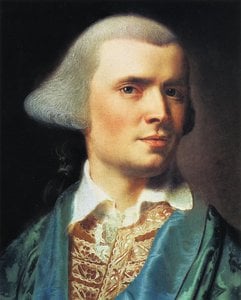
Džon Singleton Kopli: Pionir koji je spajao svetove
Džon Singleton Kopli, rođen u Bostonu 1738. godine, zauzima jedinstveno i ključno mesto u istoriji američke umetnosti. On nije bio samo slikar; bio je kulturni mostobranac, oblikujući izrazito anglo-američku estetiku tokom perioda ogromnih političkih i društvenih previranja. Njegova priča je priča o samoukom talentu, neumornoj ambiciji i neverovatnoj sposobnosti da ne samo oslikava sličnost, već i suštinu svojih subjekata u kontekstu njihovog vremena. Koplijev rani život bio je prožet živahnim pomorskim svetom kolonijalnog Bostona, grada koji je vrveo od trgovaca, brodograditelja i naglog bogatstva. Njegov otac, Ričard Kopli, iako ubrzo napustio porodicu, bio je trgovac duvanom, dok je njegova majka, Meri Singleton Kopli, vodila radnju na Long Vharfu. Ova sredina u mladog Džona probudila oštru svest o materijalnom svetu – teksturama tkanina, sjaju srebra, suptilnim nijansama društvenog položaja – svi elementi koji će kasnije definisati njegov umetnički stil. Njegov očuh, Piter Pelam, gravir i limnir (umetnik koji je stvarao portrete na pergamenu), pružio mu je određene smernice, ali je Koplijev talenat u velikoj meri bio samostalno razvijan kroz marljivo proučavanje i vežbu. On je prožimao sve dostupne gravire, pažljivo ih kopirajući kako bi savladao tehniku, i ubrzo nadmašio sposobnosti svog očuha.
Uspon kolonijalnog portretište
Do 1760-ih, Kopli se etablirao kao vodeći portretista u Bostonu, služeći potrebe grada elite. Njegov uspeh nije bio samo rezultat tehničke veštine; bila je to njegova sposobnost da u svoje portrete udahne psihološku dubinu koja je retko viđena u kolonijalnoj američkoj umetnosti. On je prevazišao samu reprezentaciju, nastojeći uhvatiti karakter i društveni status svojih modela. To je uključivalo pomno obraćanje detaljima – precizno prikazivanje tkanina, nakita i nameštaja – ali i duboko razumevanje držanja, izraza lica i gestova. Koplijev portreti nisu bili samo slike; bili su izjave o bogatstvu, moći i društvenim ambicijama. On je vešto uključivao simbolične objekte u svoje kompozicije, suptilno nagoveštavajući profesiju ili interese svojih subjekata. Trgovac bi mogao biti prikazan sa uvezenom robom u pozadini, advokat sa pravnim tekstovima, ili mornarički oficir sa pomorskim instrumentima. Ova pažnja na detalje i simbolizam podigla je njegov rad iznad pukog portretisanja, pretvarajući ga u formu društvenog komentara. Njegovi portreti istaknutih ličnosti kao što je *Gospođa Izard* ilustruju ovaj pristup – elegantna poza, luksuzne tkanine i suptilni detalji svi prenose osećanje rafiniranosti i statusa.
Ambicije i poziv Evrope
Uprkos uspehu u Bostonu, Kopli je imao ambicije koje su se protezale izvan kolonijalnog sveta umetnosti. On je žudio za priznanjem od strane uspostavljenih umetničkih krugova Londona i Rima, i želeo je da testira svoje veštine protiv majstora evropske umetnosti. 1766. godine poslao je svoju kompoziciju *Dečak sa letećim zekom* Društvu umetnika u Londonu, gde je primio značajne pohvale od Džošue Rejnoldsa i Benjamina Westa – dve vodeće figure britanske scene. Ohrabrenje je potaklo Koplijev žar za daljim obrazovanjem i većim izlaganjem. Međutim, porodične obaveze i uspešna praksa držali su ga zakorenjenog u Bostonu još deset godina. Konačno, 1774. godine, sa svojom suprugom Susannom Farnsvort Klark i decom, poduzeo je putovanje u Evropu, s namerom da studira stare majstore i uspostavi se kao slikar istorijskih scena. Izbijegao je Američka revolucija ubrzo nakon njegovog dolaska, što je Kopliju otežalo navigaciju politički nabijenim okruženjem dok je nastojao da ostvari svoje umetničke ciljeve.
Istorijske priče i trajni pečat
U Londonu je Kopli pronašao kako prilike tako i izazove. Nastavio je da slika portrete, obezbeđujući narudžbine od istaknutih britanskih ličnosti, ali se takođe okrenuo slikanju istorijskih scena – žanr koji se smatrao prestižnijim od portretisanja u to vreme. Njegovo najambicioznije delo u ovom pravcu bilo je *Smrt majora Pirsona*, koje prikazuje scenu iz Bitke za ostrvo Džerzi tokom Američkog revolucionarnog rata. Iako tehnički impresivno, primilo je mešovite reakcije, a neki kritičari su sumnjali u njegovu kompoziciju i dramski efekat. Koplijeve kasnija istorijska slika, kao što je *Kolaps grofa Četama u Domu Lordova*, bile su uspešnije, demonstrirajući njegovu sposobnost da uhvati složena osećanja i dramatične trenutke. Iako nikada nije u potpunosti postigao nivo slave koju je tražio u Evropi, Džon Singleton Kopli ostavio neizbrisiv trag na istorji američke i britanske umetnosti. On je pionirski razradio jedinstveni anglo-američki stil, spajajući evropske tehnike sa izrazitim kolonijalnim senzibilitetom. Njegovi portreti ostaju dragoceni istorijski dokumenti, nudeći uvid u živote i vrednosti davno prošlog doba.
Zapamćen je ne samo po svojoj umetničkoj veštini, već i po ulozi koju je imao u oblikovanju nacionalnog identiteta putem svoje umetnosti. Umro je u Londonu 1815. godine, ostavivši za sobom nasleđe koje nastavlja da inspiriše umetnike i fascinira publiku i danas.
Uticaji i umetnički razvoj
- Rani uticaji: Koplijev rani umetnički razvoj bio je snažno pod uticajem gravura koje je pažljivo kopirao, posebno onih evropskih majstora kao što su Rembrandt van Rajn i Antoan Vato.
- Umijeće Pintera Pelama: Njegov očuh, Piter Pelam, pružio mu je početnu obuku u portretisanju i tehnikama graviranja, postavljajući temelj za njegov budući uspeh.
- Džošua Rejnolds & Benjamin Vest: Ohrabrenje i povratne informacije od ovih istaknutih britanskih umetnika tokom ranijih podnesaka Koplija na londonskim izložbama bile su ključne u oblikovanju njegovih ambicija i umetničkog pravca.
- Rokoko stil: Kopli je prvobitno prihvatio Rokoko stil, što se ogleda u korišćenju nežnih boja, gracioznih poza i ukrasnih detalja. Međutim, on se postepeno pomicao ka realističnijem i suzdržanijem pristupu.
- Inspiracija za istorijsko slikarstvo: Njegova izloženost istorijskim slikama umetnika kao što je Benjamin Vest inspirisala ga je da istraži ovaj žanr, iako se često borio da u potpunosti pomiri sa svojim urođenim talentom za portretisanje.



 Pregledaj u prostoru
 Kupi print
 Pošalji
 Podeli
 Detalji o delu

 Преузми
 Slični predmeti
 Rendgenski snimak
 Slajdovi


 Pročitaj više






































 Opcija sa staklom dostupna je samo za dimenzije manje od 110 cm