

Nabavite datoteku spremnu za štampu koja nudi znatno veći kvalitet od onlajn pregleda. Svaka digitalna slika koju nudimo potiče iz visokorezolucičnog master fajla iz naše baze — obično širine od 5.000 do 15.000 piksela — što vam omogućava štampu u velikom formatu, precizno kadriranje ili bezbrižnu reprodukciju najfinijih detalja.
Nijedan fajl ne napušta naš studio netaknut. Digitalni stručnjak vrši proveru boja u odnosu na originalno delo i koriguje ih po potrebi, a zatim unapređuje jasnoću i detalje pomoću profesionalnih alata za retuširanje — uvek ostajući veran umetnikovim potezima četkice i stilu. Rezultat je slika koja izgleda kao pravo delo, a ne kao sken sa filterom.
Proverite i odobrite pre završetka: naš stručnjak vam šalje sliku putem e-pošte u roku od 72 sata na pregled. Niste zadovoljni? Zatražite poboljšanja ili ispravke, ili tražite povraćaj novca ukoliko kvalitet ne ispunjava vaša očekivanja.
Ovo je kvalitet kojem poverenje ukazuju izdavači, dizajnerski studiji, galerije i štamparije.
Preuzmite datoteku visoke rezolucije za ličnu upotrebu, štampanje i kreativne projekte. ( Pređi na štampu Kupite ručno oslikano delo)
Kada odaberete WahooArt.com, ne dobijate samo sliku – vi primate profesionalno unapređeno digitalno umetničko delo, izrađeno sa najvećom preciznošću i uz garanciju zadovoljstva. Evo svega što automatski dolazi uz vašu porudžbinu:
Vaša digitalna slika visoke rezolucije biće vam poslata putem e-pošte u roku od 72 sata od poručivanja – spremna za trenutnu upotrebu.
Vaše umetničko delo je profesionalno optimizovano primenom naprednih AI alata i ručne obrade, čime se osiguravaju maksimalni detalji, oštrina i preciznost boja.
Slučajno ste obrisali ili izgubili svoju datoteku? Ne brinite – poslaćemo vam je ponovo u bilo kom trenutku, potpuno besplatno.
Uživajte u svojim umetničkim delima trenutno, bez carine, akciza ili troškova dostave – digitalni download je uvek bez poreza.
Uz pomoć profesionalnih alata i upravljanja bojama, osiguravamo da vaša digitalna slika što vernije odražava originalne boje.
Ako niste zadovoljni svojom digitalnom slikom, izvršićemo reviziju ili ćemo vam vratiti 100% novca u roku od 100 dana – bez ikakvih pitanja.
Niste zadovoljni? Dobijte puni povraćaj novca u roku od 100 dana od prijema digitalne datoteke – bez suvišnih pitanja.
Kupite 3 slike, uštedite 10% - Kupite 5 slika, uštedite 15% - Kupite 10+ slika, uštedite 20%. Odlično za kreativne projekte, galerije i agencije.
John Singer Sargent's Sunset at Cairo, painted in 1891, is more than just a depiction of two men strolling through a desert landscape; it’s an exquisitely rendered meditation on light, solitude, and the evocative power of twilight. Created during a period of immense artistic exploration – Sargent was rapidly establishing himself as a leading portraitist within European high society – this work reveals a shift in his style towards Impressionistic sensibilities, a move that would profoundly influence his later oeuvre. The scene unfolds with a quiet grace, capturing a fleeting moment of serenity against the backdrop of a warm, almost ethereal sunset. The figures, rendered with loose brushstrokes and subtle gradations of color, are not sharply defined but rather imbued with an atmospheric quality, suggesting a sense of detachment and contemplation.
Sargent’s technique in Sunset at Cairo is characterized by a masterful layering of oil paints, building up color and form through visible brushstrokes. This approach, typical of the Impressionist movement, prioritizes capturing the transient effects of light and atmosphere over meticulous detail. The canvas itself likely bears witness to this process – the texture created through the application of paint speaks volumes about Sargent’s deliberate control and expressive freedom. The choice of oil paints allowed for a rich palette and blending capabilities, essential in achieving the luminous quality of the sunset and the subtle variations in tone across the landscape. The use of canvas as the support further contributes to the painting's overall texture and depth.
The composition of Sunset at Cairo is laden with symbolic weight. The figures, walking together yet seemingly lost in their own thoughts, evoke a sense of solitude and introspection – themes frequently explored by Sargent throughout his career. The warm hues of the sunset, radiating outwards from the horizon, symbolize hope, transition, and perhaps even mortality. The distant buildings and palm trees, silhouetted against the light, add to the painting’s mystery and create a feeling of being on the edge of something vast and unknown. The scene's quietness invites the viewer to contemplate their own place within the grand scheme of things, mirroring the artist's own fascination with human emotion and experience.
Painted in 1891, *Sunset at Cairo* reflects Sargent’s growing interest in capturing landscapes rather than solely focusing on portraiture. This shift aligns with broader artistic trends of the late 19th century, where Impressionism was gaining momentum and challenging traditional academic styles. Sargent's exploration of light and atmosphere, influenced by artists like Claude Monet and Pierre-Auguste Renoir, demonstrates his willingness to experiment and push the boundaries of artistic expression. The painting’s evocative quality and masterful use of color have secured its place as a significant work within Sargent’s body of work, offering a poignant glimpse into the artist's evolving vision and profound understanding of human emotion.
U delu "Sunset at Cairo", tehnika Oil On Canvas susreće pokret Impressionism.
„Sunset at Cairo”, autor Джон Сингер Сергент ima luminancu od Gentle Luminance. Luminanca opisuje koliko se čini da boje reflektuju svetlosti.
"Sunset at Cairo" prikazuje sunset landscape, middle eastern scene, dusty path”, “palm trees silhouette”, “twilight atmosphere”, “figure painting”, “travel art”, dok su dokumentovane teme umetnika Джон Сингер Сергент zapravo impressionist light & color, mediterranean atmosphere", "travel, exploration themes", sargent's landscape focus, orientalism influence, quiet contemplation, early 1890s work. Poređenje ova dva elementa pokazuje kako se ovo delo povezuje sa uobičajenim motivima ovog umetnika.

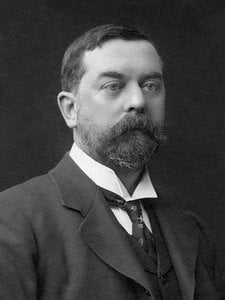
1856 - 1925 , Italija
 Pregledaj u prostoru
 Pošalji
 Podeli
 Detalji o delu
 Vodič
Vodič

 Preuzmi
 Slični predmeti
 Rendgenski snimak
 Automatska prezentacija
 Pitanja i odgovori
 Statistika

 Pročitaj više


