Pregledaj u prostoru Isprobaj u AR-u Pređi na prodaju štampanih primeraka Pređi na prodaju digitalnih slika Podeli
Detalji Vodič Dodaj u omiljene Preuzmi sliku Slični predmeti Rendgenski snimak Automatska prezentacija Statistika

Stable at Cuenca

John Singer Sargent's "Stable at Cuenca" captures a serene moment of horses and people within a rustic stable. This oil painting showcases the artist’s masterful technique & evocative light, reflecting Gilded Age elegance.

John Singer Sargent био је амерички сликар који је провео већину свог живота у европској сцени ствари и познат по својим изузећно успешним портретима као и по импресионистичком стилу и великим делима која су остала трајна у историји уметности. Meta Description: Откријте уметност Јохн Сингер Саргента! Погледајте иконе портрета као што је „Мадам Екс“, импресионистичке панорама и велика дела која су

Ručno rađena uljana reprodukcija

Ručno oslikano uljanim bojama na platnu u dimenzijama i okviru po vašem izboru, izrađeno po porudžbini od strane naših umetnika. ( Pređi na prodaju štampanih primeraka Pređi na prodaju digitalnih slika)

Corner sample of the P118B picture frame: kaljeni polistiren, 5 cm wide and 3 cm thick
P118B дин10
Corner sample of the P118H picture frame: kaljeni polistiren, 5 cm wide and 3 cm thick
P118H дин10
Corner sample of the P118W picture frame: kaljeni polistiren, 5 cm wide and 3 cm thick
P118W дин10
Corner sample of the P438Z picture frame: kaljeni polistiren, 5.5 cm wide and 3.5 cm thick
P438Z дин10
Corner sample of the P508JH picture frame: kaljeni polistiren, 7 cm wide and 3.5 cm thick
P508JH дин12
Corner sample of the P508YH picture frame: kaljeni polistiren, 7 cm wide and 3.5 cm thick
P508YH дин12
Corner sample of the P805H picture frame: kaljeni polistiren, 5 cm wide and 3.5 cm thick
P805H дин10
Corner sample of the P805Z picture frame: kaljeni polistiren, 5 cm wide and 3.5 cm thick
P805Z дин10
Corner sample of the P919BZ picture frame: kaljeni polistiren, 7 cm wide and 3.5 cm thick
P919BZ дин10
Corner sample of the P919G picture frame: kaljeni polistiren, 7 cm wide and 3.5 cm thick
P919G дин10
Corner sample of the P919XJ picture frame: kaljeni polistiren, 7 cm wide and 3.5 cm thick
P919XJ дин10
Corner sample of the P959ZH picture frame: kaljeni polistiren, 5 cm wide and 3 cm thick
P959ZH дин10
Corner sample of the P968JZ picture frame: kaljeni polistiren, 6 cm wide and 4 cm thick
P968JZ дин12
Corner sample of the W106C picture frame: masivno drvo, 5 cm wide and 3 cm thick
W106C дин8
Corner sample of the W218G picture frame: masivno drvo, 5 cm wide and 3 cm thick
W218G дин10
Corner sample of the W218JH picture frame: masivno drvo, 5 cm wide and 3 cm thick
W218JH дин8
Corner sample of the W218Y picture frame: masivno drvo, 5 cm wide and 3 cm thick
W218Y дин10
Corner sample of the W307PJ picture frame: masivno drvo, 6 cm wide and 3 cm thick
W307PJ дин10
Corner sample of the W316G picture frame: masivno drvo, 6 cm wide and 3 cm thick
W316G дин10
Corner sample of the W316PJ picture frame: masivno drvo, 6 cm wide and 3 cm thick
W316PJ дин8
Corner sample of the W316Y picture frame: masivno drvo, 6 cm wide and 3 cm thick
W316Y дин10
Corner sample of the W398PJ picture frame: masivno drvo, 5 cm wide and 3 cm thick
W398PJ дин8
Corner sample of the W4111J picture frame: masivno drvo, 6.5 cm wide and 3.5 cm thick
W4111J дин10
Corner sample of the W500HY picture frame: masivno drvo, 7 cm wide and 5 cm thick
W500HY дин15
Corner sample of the W500JH picture frame: masivno drvo, 7 cm wide and 5 cm thick
W500JH дин15
Corner sample of the W692G picture frame: masivno drvo, 8 cm wide and 4 cm thick
W692G дин12
Corner sample of the W849H picture frame: masivno drvo, 5 cm wide and 3 cm thick
W849H дин8
Corner sample of the W940BG picture frame: masivno drvo, 7.5 cm wide and 4.5 cm thick
W940BG дин15
Corner sample of the W953PJ picture frame: masivno drvo, 6 cm wide and 3.5 cm thick
W953PJ дин8

Standardne dimenzije
po meri
CM
INCH

Izaberite jednu od naših unapred definisanih veličina koje odgovaraju originalnim proporcijama umetničkog dela.

širina
visina

Unesite širinu i visinu koja vam je potrebna, kako bi se uklopili u vaš ram ili zid. Pošto je ovo ručno oslikano delo, umetnik može naslikati malo više prostora oko slike ili malo skratiti ivice za dimenzije drugačijeg oblika — izbor je na vama. Pre početka rada, poslaćemo vam digitalni prikaz radi potvrde. Slika prikazana na ovoj stranici ne predstavlja konačan rezultat — samo digitalni prikaz pokazuje stvarnu sliku.

Primeri mogućih izmena: Zamena lica fotografijom kupca; Dodavanje ljubimca (npr. zamena mačke psom); Uključivanje skrivene poruke u pozadini; Promena pejzaža ili elemenata pozadine.
Nakon narudžbine, tim WahooArt.com će klijentu putem e-pošte poslati uputstva i dostaviti prikaz predloženog rešenja

Svetska isporuka () za 3/4 nedelje umesto uobičajenih 5 nedelja. (24 октобар). Bez kompromisa po pitanju kvaliteta.

Besplatna ekspresna dostava širom sveta
Visokokvalitetno laneno platno
Sveobuhvatno osiguranje transporta
Garancija povraćaja carine i uvoznih dažbina
Garancija vernosti boja i autentičnosti pri reprodukciji
Politika povraćaja u roku od 100 dana (samo u slučaju nedostataka)
Garancija povrata 100% novca
Popust pri većoj količini

Ukupna cena

дин 28042

Stable at Cuenca

Tehnika izrade reprodukcije

Veličina reprodukcije

-

Ukupna cena

дин 28042

Brzi pregled

  • Notable elements: Horse & people scene
  • Artistic style: Impressionism
  • Subject or theme: Stable life
  • Artist: John Singer Sargent
  • Year: 1903

Kviz o umetnosti

Svako pitanje ima samo jedan tačan odgovor.

Pitanje 1:
What is the primary subject depicted in John Singer Sargent’s ‘Stable at Cuenca’?
Pitanje 2:
Based on the image description, approximately how many horses are visible in the painting?
Pitanje 3:
What artistic movement is most closely associated with John Singer Sargent’s style, as evidenced by ‘Stable at Cuenca’?
Pitanje 4:
In what year was ‘Stable at Cuenca’ painted by John Singer Sargent?
Pitanje 5:
The image suggests a scene of what overall atmosphere or feeling?

A Moment of Rural Tranquility: John Singer Sargent’s “Stable at Cuenca”

John Singer Sargent's "Stable at Cuenca," painted in 1903, isn’t merely a depiction of horses and people; it’s a carefully constructed tableau of quiet observation, imbued with the artist’s signature blend of Impressionistic brushwork and astute psychological insight. The painting captures a fleeting moment within a rural Spanish stable – a scene brimming with understated drama and a palpable sense of connection between humanity and animal life. Sargent, already establishing his reputation as a master of capturing light and atmosphere, moved beyond the grand portraits that initially defined his career to explore more intimate subjects, revealing a surprising versatility in his artistic approach.

The composition itself is deceptively simple. A group of horses – some sleek and muscular, others smaller and more docile – are arranged around a weathered wooden stable structure. Three individuals occupy the foreground: a man tending to the animals, a young boy observing with evident fascination, and another figure, partially obscured, seemingly lost in thought. Sargent’s masterful use of light is immediately striking; it's not harsh or dramatic, but rather diffused and warm, suggesting either early morning or late afternoon – a time when the world feels particularly still and contemplative. The artist skillfully employs broken brushstrokes to create an illusion of texture and movement within the horses’ coats and the rough-hewn wood of the stable.

Impressionistic Techniques and Sargent's Vision

Sargent’s technique in “Stable at Cuenca” is a testament to his evolving artistic style. He moved away from the highly polished surfaces favored by earlier portraitists, embracing a looser, more expressive approach reminiscent of Impressionism. Notice how he uses short, broken brushstrokes to capture the fleeting effects of light and shadow – particularly evident in the dappled sunlight filtering through the stable’s open doorway. This technique wasn't simply about replicating what he saw; it was about conveying an *impression* of the scene, a feeling of warmth, stillness, and connection.

The artist’s attention to detail is equally remarkable. He meticulously renders the individual features of each horse – their musculature, their expressions – while simultaneously suggesting a broader narrative through his careful arrangement of figures and objects. The boy's intense gaze, for example, invites us to consider his perspective and perhaps even speculate about his relationship with the animals and the man caring for them. Sargent’s ability to infuse such subtle psychological depth into a seemingly simple rural scene is one of the hallmarks of his genius.

Symbolism and the Human Connection

Beyond its aesthetic qualities, “Stable at Cuenca” carries layers of symbolic meaning. The stable itself represents a space of refuge, a place where animals are cared for and nurtured. The interaction between the humans and horses speaks to a fundamental connection – a shared vulnerability and dependence. The boy’s fascination with the animals suggests an innate curiosity about the natural world and a desire to understand its rhythms. It's a scene that resonates with themes of childhood, innocence, and the enduring power of simple human connections.

Furthermore, considering Sargent’s own life – his nomadic upbringing and exposure to diverse cultures – it’s possible to interpret “Stable at Cuenca” as a reflection on the universal experience of finding solace and connection in nature. The painting transcends its specific setting, offering a timeless meditation on the beauty and tranquility of rural life.

Bringing "Stable at Cuenca" Home: A Reproduction for Your Space

WahooArt offers meticulously hand-painted reproductions of John Singer Sargent’s “Stable at Cuenca,” capturing the essence of this remarkable artwork with unparalleled detail and fidelity. Whether you're an art collector, a design enthusiast, or simply someone seeking to infuse your space with beauty and inspiration, our reproduction provides a stunning way to experience the power and serenity of Sargent’s vision. Each reproduction is created using traditional oil painting techniques, ensuring that it possesses the same rich textures and luminous colors as the original masterpiece. Explore our high-resolution images and select the size that best suits your needs – bringing this iconic work of art into your home with confidence and pride.

Pitanja i odgovori

Gde se danas može videti delo „Stable at Cuenca”, Джон Сингер Сергент?

Originalno delo „Stable at Cuenca”, Джон Сингер Сергент čuva se u muzeju Smithsonian American Art Museum, Вашингтон, САД. Reprodukcija omogućava da se ovo umetničko delo izloži u vašem domu.

Da li je "Stable at Cuenca" u javnom vlasništvu?

Što se tiče autorskih prava, "Stable at Cuenca" je u javnom vlasništvu – autorska prava su istekla.

Koju temu i atmosferu spaja „Stable at Cuenca”, Джон Сингер Сергент?

„Stable at Cuenca“ prikazuje horses, stable, people, cuenca, sargent, animals, rural, tranquility, a njegov upečatljiv raspoloženje je Elegant.


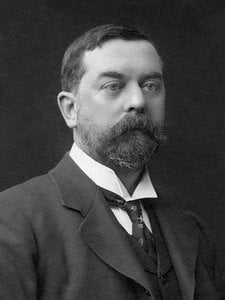
Biografija umetnika

Život Uroњen u Svetlo i Društvo

Džon Singer Seržent, ime sinonimno za Eraz Gilda i njegov blistavi portreti elegancije, bio je američki umetnik koji je proveo veći deo svog života kultivišući svoj zanat unutar evropskog sveta umetnosti. Rođen u Firenci, Italiji, 1856. godine, od američkih roditelja na izgnanstvu, Fitzvilijama i Meri Njubold Seržent, njegovo vaspitanje nije bilo ništa manje nego nekonvencionalno. Porodična nomadska egzistencija – stalno prelazak kroz Francusku, Nemačku, Italiju i Švajcarsku – u mladog Džona je usadio kosmopolitski senzibilitet i rano izlaganje umetničkim blagovima Evrope. Umesto formalnog školovanja, njegovo obrazovanje se odvijalo unutar muzejskih dvorana i drevnih crkava, podstičući vizuelnu pismenost koja je duboko oblikovala njegovu umetničku viziju. Ovo putujuće detinjstvo, iako bez tradicionalne strukture, pružilo je bogatu tapiseriju kulturnih iskustava koja je poterala njegov razvijajući talenat. Njegov otac, hirurg, i majka, amaterska slikarka, ohrabrivali su njegove naklonosti, rano prepoznajući izvanrednu oštricu njegovih posmatračkih sposobnosti. Jasno je bilo od ranog doba da će Džonova put ležati ne u medicini ili konvencionalnim poduhvatima, već u sferi umetnosti.

Od Pariskog Ateljea do Majstora Portreta

Godine 1874. Džon Singer Seržent započeo je ključnu poglavlje svog umetničkog razvoja ulaskom u parisko atelje Karola-Durana. Ovaj mentorski odnos se pokazao transformativnim. Duranova naglašavanje *direktnog slikanja* – tehnike koja izbegava preliminarne skice u korist trenutne primene boje na platno – izoštrila je njegov već impresivnu tehničku sposobnost i usadila u njega neverovatnu sposobnost da uhvati sličnosti brzim i preciznim tempom. Bio je to revolucionarni pristup, koji je podsticao hrabrost i spontanost, i postao je zaštitni znak Seržentovog stila. On je upojio Duranove lekcije u potpunosti, savladavši umetnost hvatanja ne samo fizičke sličnosti, već i same suštine svojih modela. Istovremeno, upisao se na École des Beaux-Arts, dodatno usavršavajući svoje veštine crtanjem sa gipsanih figura i živih modela. Međutim, uticaj španskih majstora poput Velaskesa, koji je otkrio tokom formativnog putovanja u Španiju 1879. godine, zaista je zapalio Seržentovu umetničku maštu. Bio je očaran Velaskesovom majstorskom upotrebom svetla, potezima kistova i psihološkim uvide – kvalitete kojima će težiti tokom svoje karijere.

Navigacija Slavom, Skandalom i Umetničkom Evolucijom

Seržent se brzo etablirao kao tražen portretiista u Parizu, privlačeći narudžbine od elite grada. Međutim, njegov uspon nije bio bez izazova. Otvorenje *Madame X* (Portret gospođe Pjera Gautreau) na Salonu 1884. godine izazvao je skandal koji je ugrozio njegov procvetavajući karijeru. Daring prikaz gospođice Virginie Amélie Avegno Gautreau – sa njenim bledom kožom, sugestivnom postavom i spuštenom trakom – bio je proglašen provokativnim i skandaloznim od strane pariškog društva. Iako je Seržent kasnije ponovo naslikao traku, šteta je bila učinjena. Demoraliziran kontroverzama, preselio se u London 1886. godine, gde je pronašao više prijemčivu publiku za svoj talenat. U Londonu je nastavio da slika portrete bogatih i uglednih ljudi, hvatajući raskoš i društvene dinamike edvardijanskog društva neuporedivom veštinom. Ipak, Seržentove umetničke ambicije su se protezale izvan okvira naručenih portreta. Želeo je veću kreativnu slobodu i sve više se posvećivao slikanju pejzaža i studijama na otvorenom, prihvatajući impresionistički stil karakterisan labavim potezima kistova, živopisnim bojama i fokusom na hvatanje prolaznih trenutaka svetla i atmosfere. Ovi pejzaži otkrivaju drugačiju stranu Serženta – jednu koja je manje zabrinuta za društveni status i više usmerena na lepotu prirodnog sveta.


Trajna Zaostavština: Izvan Portreta

Iako je slavljen kao „vodeći portretiista svoje generacije“, Seržentova umetnička ostavština seže daleko izvan njegovih majstorskih prikaza društvenih figura. Njegovi glavna dela, poput *El Jaleo*, dinamičnog prikaza španskih plesača flamenka, i *Carnation, Lily, Lily, Rose*, smirenog prikaza dve mlade devojke u engleskoj bašti, demonstriraju njegovu raznolikost i tehničku briljantnost. Kasnije u životu, poduzeo je ambiciozne projekt murala, uključujući monumentalni ciklus u Boston Public Library, pokazujući svoju sposobnost da prevede svoju umetničku viziju na veliki format. Njegov uticaj se može videti u radu sledećih generacija umetnika koji su divili njegovoj tehničkoj veštini, hrabrim potezima kistova i njegovoj sposobnosti da uhvati kako fizičku sličnost tako i psihološku dubinu.

Uticaji i Umetnički Srodnici

  • Carolus-Duran: Njegov učitelj, koji mu je usadio tehniku direktnog slikanja i ohrabrio spontanost.
  • Diego Velázquez: Seržent je duboko divio se Velaskesovoj majstoriji svetla, potezima kistova i psihološkim uvidu, posebno vidljivom u njegovim španskim radovima.
  • Impresionizam: Naglasak impresionista na hvatanje prolaznih trenutaka i atmosferskih efekata duboko je uticao na njegova slikanja pejzaža, što je dovelo do slobodnijeg, ekspresivnijeg stila.
  • James Abbott McNeill Whistler: Seržent je sa Vislerom delio interes za estetizam i težnju za „umetnošću radi umetnosti“, što je uticalo na njegov pristup kompoziciji i boji.

Brzi pregled

  • Datum Rođenja: 12. januar 1856.
  • Mesto Rođenja: Firenca, Italija
  • Nacionalnost: Američki
  • Puno Ime: John Singer Sargent
  • Umjetnički Pokret: Impresionizam
  • Uticajni Umjetnici:
    • Carolus-Duran
    • Diego Velázquez
  • Značajna Djela:
    • Madame X
    • El Jaleo
    • Carnation, Lily, Lily, Rose
Istražite umetnička dela organizovana prema temama, stilovima i karakteristikama.