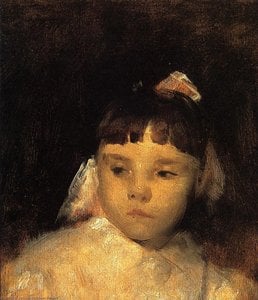
Oil On CanvasWallArtJohn Singer Sargent
 1898
1898 147.0 x 93.0 cm
 Allen County Museum and Historical Society
Giclée štampa ili print na platnu muzejskog kvaliteta uz brzu proizvodnju i fleksibilne opcije završne obrade. ( Kupi ručno naslikanu sliku Kupi digitalnu sliku)





























Izaberite jednu od naših unapred definisanih veličina koje odgovaraju originalnim proporcijama umetničkog dela.

Možete uneti sopstvene dimenzije kako biste umetničko delo prilagodili specifičnom okviru ili prostoru. Ako odabrani format ne odgovara proporcijama originalne slike, mi ćemo ili iscrtati deo dela ili proširiti sliku pomoću ogledane ivice ili jednobojnog popunjavanja. Digitalni prikaz će vam biti poslat na odobrenje pre početka proizvodnje.
Imajte na umu da pregled na ekranu ne odražava stvarno iscrtavanje ili proširivanje. Samo će prikaz (mockup) precizno pokazati finalnu kompoziciju.
Iako su prilagođene dimenzije dostupne, preporučujemo da odaberete dimenziju sa unapred definisane liste kako biste očuvali originalne proporcije.
Dostava širom sveta () za 2 nedelje umesto uobičajenih 4/5 nedelja. (7 септембар)


Senator Calvin Brice
Dimenzije reprodukcije
John Singer Sargent’s “Senator Calvin Brice” isn't merely a likeness; it’s a carefully constructed embodiment of American political character in the late 19th century. Painted in 1898, this oil on canvas, currently residing at the Allen County Museum and Historical Society in Lima, Ohio, offers a rare glimpse into the mind and demeanor of a man who profoundly shaped the landscape of Ohio politics – Calvin Stewart Brice. Sargent, already establishing his reputation for capturing not just physical appearance but also the very essence of his subjects, delivers here a portrait that transcends simple representation, revealing layers of confidence, intellect, and a subtle undercurrent of thoughtful reserve.
The painting immediately draws the eye to Brice’s posture – upright, composed, yet subtly relaxed. He is seated in a deep armchair, hands clasped gently behind him, an arrangement that speaks volumes about his self-assurance and control. Sargent's masterful use of light and shadow sculpts Brice’s face, highlighting the strong lines of his jawline and the keen intelligence reflected in his eyes. The meticulous detail in the rendering of his suit – the precise stitching of the fabric, the subtle sheen of the tie – speaks to both Brice’s status and Sargent's dedication to realism. It is a portrait that demands attention not just for its subject but for the sheer artistry with which it has been executed.
Sargent’s approach in “Senator Brice” exemplifies his commitment to a refined form of realism. He eschewed the idealized, romanticized depictions favored by some of his contemporaries, instead opting for an honest and detailed portrayal of the subject as he truly was – a man of considerable influence and quiet authority. The background is deliberately blurred, drawing focus entirely onto Brice himself, reinforcing his central importance within the composition. This strategic use of atmospheric perspective isn’t simply decorative; it serves to elevate Brice's presence, suggesting both his significance and the weight of responsibility he carried as a senator.
Sargent’s technical skill is undeniable. The brushstrokes are remarkably controlled, creating a sense of texture and depth that brings the portrait to life. He expertly captures the subtle nuances of light reflecting off Brice's clothing, conveying not just color but also material and form. The painting demonstrates an intimate understanding of how light interacts with surfaces – a hallmark of Sargent’s distinctive style.
To fully appreciate “Senator Brice,” it’s crucial to understand the historical context in which it was created. The late 19th century, often referred to as the Gilded Age, was a period of rapid industrialization, immense wealth accumulation, and significant social change in America. Calvin Brice emerged as a prominent figure within the Democratic party during this era, playing a key role in shaping Ohio’s political landscape. He served as chairman of the Democratic National Committee and later as a United States Senator, advocating for policies that reflected the interests of his constituents.
The painting was created at a time when portraiture held immense social significance. Portraits were not merely decorative objects; they were symbols of status, power, and identity. Commissioning a portrait like “Senator Brice” was an investment in one’s reputation and legacy – a way to ensure that future generations would remember and recognize one's achievements.
Beyond its technical brilliance and historical context, “Senator Calvin Brice” possesses a subtle emotional resonance. The senator’s gaze is direct and unwavering, conveying a sense of self-assurance and quiet dignity. There’s an air of thoughtful contemplation about him – as if he were weighing the complexities of his responsibilities. The restrained pose and the gentle clasp of his hands suggest a man who values order and control, yet also possesses a deep capacity for empathy and understanding.
Sargent's ability to capture these intangible qualities is what elevates “Senator Brice” beyond a simple portrait; it’s a powerful testament to the artist’s skill and insight. It invites viewers to contemplate not just the man himself, but also the values and ideals that shaped his life and career.

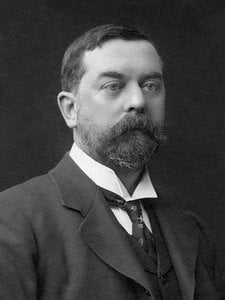
1856 - 1925 , Italija

Explore the profound beauty of American Realism. From Winslow Homer’s rural landscapes to the dignity of everyday life, discover how master artists captured the soul of a nation through evocative oil paintings and timeless fine art techniques.

 Pregledaj u prostoru
 Pošalji
 Podeli
 Detalji o delu

 Преузми
 Slični predmeti
 Rendgenski snimak
 Slajdovi
 Pročitaj više







 Opcija sa staklom dostupna je samo za dimenzije manje od 110 cm