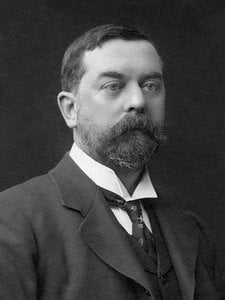
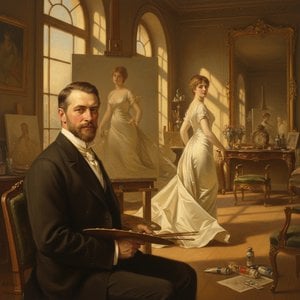
Život Uroњen u Svetlo i Društvo
Džon Singer Seržent, ime sinonimno za Eraz Gilda i njegov blistavi portreti elegancije, bio je američki umetnik koji je proveo veći deo svog života kultivišući svoj zanat unutar evropskog sveta umetnosti. Rođen u Firenci, Italiji, 1856. godine, od američkih roditelja na izgnanstvu, Fitzvilijama i Meri Njubold Seržent, njegovo vaspitanje nije bilo ništa manje nego nekonvencionalno. Porodična nomadska egzistencija – stalno prelazak kroz Francusku, Nemačku, Italiju i Švajcarsku – u mladog Džona je usadio kosmopolitski senzibilitet i rano izlaganje umetničkim blagovima Evrope. Umesto formalnog školovanja, njegovo obrazovanje se odvijalo unutar muzejskih dvorana i drevnih crkava, podstičući vizuelnu pismenost koja je duboko oblikovala njegovu umetničku viziju. Ovo putujuće detinjstvo, iako bez tradicionalne strukture, pružilo je bogatu tapiseriju kulturnih iskustava koja je poterala njegov razvijajući talenat. Njegov otac, hirurg, i majka, amaterska slikarka, ohrabrivali su njegove naklonosti, rano prepoznajući izvanrednu oštricu njegovih posmatračkih sposobnosti. Jasno je bilo od ranog doba da će Džonova put ležati ne u medicini ili konvencionalnim poduhvatima, već u sferi umetnosti.
Od Pariskog Ateljea do Majstora Portreta
Godine 1874. Džon Singer Seržent započeo je ključnu poglavlje svog umetničkog razvoja ulaskom u parisko atelje Karola-Durana. Ovaj mentorski odnos se pokazao transformativnim. Duranova naglašavanje *direktnog slikanja* – tehnike koja izbegava preliminarne skice u korist trenutne primene boje na platno – izoštrila je njegov već impresivnu tehničku sposobnost i usadila u njega neverovatnu sposobnost da uhvati sličnosti brzim i preciznim tempom. Bio je to revolucionarni pristup, koji je podsticao hrabrost i spontanost, i postao je zaštitni znak Seržentovog stila. On je upojio Duranove lekcije u potpunosti, savladavši umetnost hvatanja ne samo fizičke sličnosti, već i same suštine svojih modela. Istovremeno, upisao se na École des Beaux-Arts, dodatno usavršavajući svoje veštine crtanjem sa gipsanih figura i živih modela. Međutim, uticaj španskih majstora poput Velaskesa, koji je otkrio tokom formativnog putovanja u Španiju 1879. godine, zaista je zapalio Seržentovu umetničku maštu. Bio je očaran Velaskesovom majstorskom upotrebom svetla, potezima kistova i psihološkim uvide – kvalitete kojima će težiti tokom svoje karijere.
Navigacija Slavom, Skandalom i Umetničkom Evolucijom
Seržent se brzo etablirao kao tražen portretiista u Parizu, privlačeći narudžbine od elite grada. Međutim, njegov uspon nije bio bez izazova. Otvorenje *Madame X* (Portret gospođe Pjera Gautreau) na Salonu 1884. godine izazvao je skandal koji je ugrozio njegov procvetavajući karijeru. Daring prikaz gospođice Virginie Amélie Avegno Gautreau – sa njenim bledom kožom, sugestivnom postavom i spuštenom trakom – bio je proglašen provokativnim i skandaloznim od strane pariškog društva. Iako je Seržent kasnije ponovo naslikao traku, šteta je bila učinjena. Demoraliziran kontroverzama, preselio se u London 1886. godine, gde je pronašao više prijemčivu publiku za svoj talenat. U Londonu je nastavio da slika portrete bogatih i uglednih ljudi, hvatajući raskoš i društvene dinamike edvardijanskog društva neuporedivom veštinom. Ipak, Seržentove umetničke ambicije su se protezale izvan okvira naručenih portreta. Želeo je veću kreativnu slobodu i sve više se posvećivao slikanju pejzaža i studijama na otvorenom, prihvatajući impresionistički stil karakterisan labavim potezima kistova, živopisnim bojama i fokusom na hvatanje prolaznih trenutaka svetla i atmosfere. Ovi pejzaži otkrivaju drugačiju stranu Serženta – jednu koja je manje zabrinuta za društveni status i više usmerena na lepotu prirodnog sveta.
Trajna Zaostavština: Izvan Portreta
Iako je slavljen kao „vodeći portretiista svoje generacije“, Seržentova umetnička ostavština seže daleko izvan njegovih majstorskih prikaza društvenih figura. Njegovi glavna dela, poput *El Jaleo*, dinamičnog prikaza španskih plesača flamenka, i *Carnation, Lily, Lily, Rose*, smirenog prikaza dve mlade devojke u engleskoj bašti, demonstriraju njegovu raznolikost i tehničku briljantnost. Kasnije u životu, poduzeo je ambiciozne projekt murala, uključujući monumentalni ciklus u Boston Public Library, pokazujući svoju sposobnost da prevede svoju umetničku viziju na veliki format. Njegov uticaj se može videti u radu sledećih generacija umetnika koji su divili njegovoj tehničkoj veštini, hrabrim potezima kistova i njegovoj sposobnosti da uhvati kako fizičku sličnost tako i psihološku dubinu.
Uticaji i Umetnički Srodnici
- Carolus-Duran: Njegov učitelj, koji mu je usadio tehniku direktnog slikanja i ohrabrio spontanost.
- Diego Velázquez: Seržent je duboko divio se Velaskesovoj majstoriji svetla, potezima kistova i psihološkim uvidu, posebno vidljivom u njegovim španskim radovima.
- Impresionizam: Naglasak impresionista na hvatanje prolaznih trenutaka i atmosferskih efekata duboko je uticao na njegova slikanja pejzaža, što je dovelo do slobodnijeg, ekspresivnijeg stila.
- James Abbott McNeill Whistler: Seržent je sa Vislerom delio interes za estetizam i težnju za „umetnošću radi umetnosti“, što je uticalo na njegov pristup kompoziciji i boji.



 Pregledaj u prostoru
 Kupi ručno naslikanu sliku
 Pošalji
 Podeli
 Detalji o delu

 Преузми
 Slični predmeti
 Rendgenski snimak
 Slajdovi
 Statistika


 Pročitaj više






































 Opcija sa staklom dostupna je samo za dimenzije manje od 110 cm