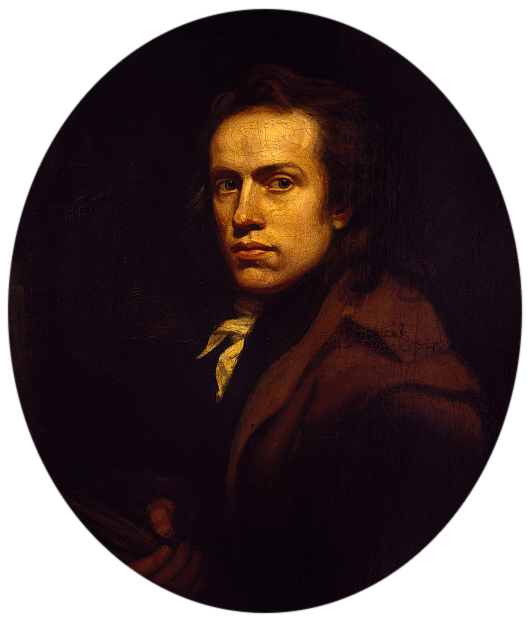
Biografija umetnika
Usponica iz Kornvala: Život i umetnost Džona Opija
Džon Opi, rođen 1761. godine u skromnom okruženju kolibe Harmonija u Trevelasu, u Kornvalu, iskrale se kao jedna od najizuzetnijih umetničkih figura svoje generacije. Njegova priča je upečatljiv narativ o sirovom talentu negovanom uprkos svim nedaćama, usponu sina drvoseče koji je postao slavni portretista i istorijski slikar, član Kraljevog akademskog društva i uticajni glas britanskog umetničkog sveta. Opijevo rano detinjstvo obeležila je prerana sposobnost za crtanje i matematiku – dualnost koja je, možda, oblikovala njegov pedantni pristup kompoziciji i formi. Još kao mali dečak, pokazivao je nezavisan duh, osnivajući večnju školu kako bi podučavao lokalnu decu čitanju, pisanju i aritmetici, dok je istovremeno savladavao Evklidovu geometriju. Ova žeđ za znanjem, uz umetničku sklonost, u početku je nailazila na otpor njegovog oca, koji je insistirao na zanatskom stažiranju u stolarstvu. Ipak, sudbina je intervenisala u liku doktora Džona Volkota, poznatog kao Peter Pindar, lekara i satiričara čije je oštro oko prepoznalo izuzetan potencijal u mladom Opiju.
Mentorstvo, London i kraljevski patronat
Volkot je postao Opijev zaštitnik, obezbedivši mu oslobađanje iz stolarstva i pružajući mu neprocenjiva uputstva, ohrabrenje i ključne preporuke. Ovo mentorstvo bilo je presudno za pokretanje Opijeve karijere. Godine 1781. zajedno su otputovali u London, gde je Volkot lukavo predstavio Opija kao samouki čudo – „kornvalsku pojavu“ nepovrgnutu formalnom umetničkom obrazovanju. Ovaj narativ je očarao londonsku umetničku scenu, izazivajući poređenja sa maestrom poput Karavaja i Velaskeza, čak i od strane samog Ser Džošuea Rejnoldsa. Početni uspeh bio je brz i blistav. Naručevine su prililovile, uključujući portrete članova britanske kraljeve porodice – među kojima su bili vojvoda i vojvodinja od Gloster š, ledi Salizberi i Meri Delani. Opijeva rezidencija u Kastl Stritu postala je centar modnog društva, dok je njegov talenat privlačio pažnju i divljenje. Međutim, partnerstvo sa Volkotom se na kraju rastalo kako je Opi afirmisao svoju nezavisnost, nastojeći da gradi sopstveni put bez ograničenja njihovog ugovora o deljenju dobiti. Ovaj period učvrstio je Opijevu reputaciju, postavivši ga kao vodećeg portretistu sposobnog da uhvati ne samo fizičku sličnost, već i karakter i društveni status svojih modela.
Izvan portretizma: Istorijske slike i akademsko priznanje
Iako je prvobitno slavljen zbog svojih portreta, Opi je gajio ambicije koje su prevazilazile puko beleženje lica elite. Žudeo je za angažovanjem u velikim istorijskim narativima, tražeći da se utvrdi kao slikar značajnih tema. Ova ambicija navela ga je da istražuje istorijsko slikarstvo, što je kulminiralo delima kao što su Ubistvo Jakova I (1786) i Ubistvo Rizija (1787). Ovo drugo delo se pokazalo posebno uticajnim, donoseći mu trenutno izbora za člana Kraljevskog akademskog društva, a sledeće godine i puno članstvo. Ove istorijske slike pokazale su rastuće majstorstvo u kompoziciji, dramatičnom osvetljenju – često podsećajućem na Rembrandta – i posvećenosti prenošenju emocionalnog intenziteta. Opijeva posvećenost zanatu prevazilazila je samo slikarstvo; aktivno je nastojao da proširi svoje intelektualne horizonte kroz proučavanje latinskog jezika, francuske književnosti i kultivirana društvena kruga. Takođe se duboko uključio u Šekspirovu galeriju Džona Boldela, kreirajući pet slika inspirisanih Šekspirovim dramama, čime je dodatno učvrstio svoju poziciju unutar umetničkog etablismana.
Nasleđe umetnosti i misli
Opijev kasniji život obeležen je kako profesionalnim uspehom, tako i ličnim izazovima. Njegov prvi brak bio je nesrećan, što je dovelo do razvoda 1796. godine. Ipak, pronašao je trajnu sreću sa Amelijom Alderson, piscem i abolicionistkinjom, kojom se oženio 1ms 1798. Njihovo partnerstvo podsticalo je uzajamnu podršku i intelektualnu stimulaciju. Godine 1805. Opi je imenovan profesor slikarstva na Kraljevskoj akademiji, što je bilo svedočanstvo njegovog položaja u umetničkom svetu. Njegova predavanja, održana 1806. godine i objavljena posthumno 1809. uz Amelijine memoare, otkrila su promišljen i artikulisan um duboko angažovan u principe umetničkog stvaranja. Zalagao se za formiranje nacionalne galerije – vizionarske ideje koja će na kraju postati stvarnost – i ponudio je prodorne komentare o stanju britanske umetnosti. Preuranjena smrt Džona Opija u aprilu 1807. godine, u dobi od samo 46 godina, prekinula je obećavajuću karijeru, ali njegovo nasleđe opstaje. Za sobom je ostavio obimno delo – preko 500 portreta i 250 drugih slika – koje nudi fascinantan uvid u društveni i kulturni pejzaž Britanije kasnog 18. i ranog 19. veka. On ostaje značajna figura u istoriji britanske umetnosti, slavljen zbog svoje tehničke veštine, prodorne portretistike i doprinosa umetničkom diskursu.



 Pregledaj u prostoru
 Pređi na štampu
 Pošalji
 Podeli
 Detalji o delu
 Vodič
Vodič

 Preuzmi
 Slični predmeti
 Rendgenski snimak
 Automatska prezentacija
 Statistika


 Pročitaj više