Giclée štampa ili print na platnu muzejskog kvaliteta uz brzu izradu i raznovrsne opcije završne obrade. ( Kupite ručno oslikano delo Pređi na digitalnu sliku)





























Izaberite jednu od naših unapred definisanih veličina koje odgovaraju originalnim proporcijama umetničkog dela.

Unesite željenu širinu i visinu kako bi se štampa uklopila u vaš ram ili zid. Štampu je moguće samo iseći, ali nikada povećati iznad dimenzija originalne slike, stoga format sa drugačijim proporcijama uzrokuje gubitak dela slike. Pre početka štampe, poslaćemo vam digitalni prikaz radi potvrde. Slika prikazana na ovoj stranici ne predstavlja stvarni isrez — to pokazuje samo digitalni prikaz.
Dostava širom sveta () za 2 nedelje umesto uobičajenih 4/5 nedelja. (15 новембар)
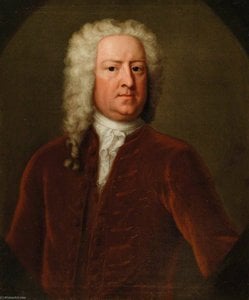
William Pitt
Dimenzije reprodukcije
The gaze of William Pitt meets the viewer through this oil on canvas, a work emerging from the studio of John Hoppner. The portrait captures the statesman in a moment of heavy stillness, rendered with a sense of gravity that lingers on the surface. It is a work from circa 1805 or after, a period when the subject's presence in British politics was deeply felt. The scale of the image, measuring 55 1/2 in. x 42 1/2 in. (1410 mm x 1080 mm), gives the figure a physical weight that commands the space around it.
John Hoppner’s studio provides the hand behind this depiction, translating the likeness of the man into a study of light and shadow. The paint sits upon the canvas, building a presence that feels immediate and substantial. Every brushstroke contributes to the quiet intensity of the sitter, holding him in a permanent state of contemplation. The work exists as a direct encounter with a man who shaped the direction of a nation, frozen here in the medium of oil.
The subject emerges from a dark, indistinct background, positioned in a bust-length portrait that feels immediate and heavy with presence. He sits slightly off-center, his gaze directed toward the viewer's left, creating a sense of quiet, internal movement. Light descends from the upper left, carving out the contours of his face and neck with a soft, directional glow. This interplay of light and shadow grants the figure a palpable three-dimensional volume, pulling him forward from the atmospheric gloom behind him.
The color palette remains somber and grounded, relying on a restrained selection of earthy, muted tones. Browns, ochre, and cream dominate the scene, while subtle flesh tones define the skin. There is a tactile quality to the surface, where the texture of the canvas peeks through the layers of paint. The brushwork appears smooth and blended, particularly in the soft transitions of the background and the heavy folds of the clothing, yet it maintains enough definition to trace the sharp structure of the facial features and the weight of the coat.
The origins of this portrait trace back to a private commission by Lord Mulgrave, who sought to capture the likeness of the statesman. The artist began the work in December 1804, and the final brushstrokes were applied on the 28th of October, 1805. This specific version, identified as NPG L267, exists as a studio copy of the original portrait. While the primary work was intended for the Mulgrave family, the demand for the image grew rapidly among the subject's supporters, leading to many bespoke copies being produced by the artist's studio.
The movement of this painting through various collections reflects its enduring presence in British history. It currently resides within the collection of the Tate, though it is frequently seen on loan to the National Portrait Gallery in London. This arrangement allows the work to remain accessible to those tracing the political landscape of the era. The provenance of the piece is deeply intertwined with the social circles of the time, as the portrait's popularity ensured that many versions circulated among the elite of the Regency period.
The portrait stirs a profound tension between those who see its technical brilliance and those who recoil from its unflinching honesty. To some observers, the work represents the artist's finest achievement, a peak of his creative ability. Yet, this praise is met with sharp, visceral condemnation from those who knew the man behind the statesman. One contemporary observer famously dismissed the image as a vile picture, finding the depiction far too harsh to be a true likeness.
The debate centers on the psychological weight carried in the subject's expression. Critics have argued that the face appears anxious and diseased, as if reddened by wine and soured by the heavy burden of disappointment. There is a sense that the portrait captures a man at his breaking point, a version of the statesman that many found difficult to accept. This perceived severity led some to suggest that the likeness was almost too unflattering, questioning if such a grim portrayal should ever have been intended for a man of his standing.
While some find the work's power in its ability to strip away the veneer of political dignity, others see it as a departure from the idealized grace expected in high-society portraiture. The tension remains: is this a profound study of a man weathered by his duties, or a failure to capture the youthful spirit of a leader? The brushstrokes hold both the weight of a statesman's exhaustion and the controversy of a likeness that refuses to look away from the toll of power.
The portrait resides within the National Portrait Gallery in London, United Kingdom. Visitors find the subject waiting for them on the third floor, specifically positioned in Room 18. It exists as a vital part of the National Portrait Gallery collection, though its presence in the gallery is a temporary arrangement. The work is currently on loan from the Tate Gallery, which maintains its primary stewardship.
Walking through the halls of the museum, one encounters this depiction of the statesman in a space dedicated to the faces that shaped a nation. The lighting in the gallery room catches the subtle textures of the oil on canvas, allowing the viewer to observe the heavy shadows and the serious expression of the sitter. It remains a central fixture for those tracing the political history of the United Kingdom through its visual records.
The artist's hand moves through other lives and faces, capturing the essence of the Georgian era with a similar command of light. In one notable work, he presents Mrs. Jordan as Viola in 'Twelfth Night', a piece that highlights his celebrated ability to render women and children. This portrait reveals a specific skill that defined his career, much like the way he handles the textures and shadows in his other commissions. He moves between the heavy gravity of statesmen and the softer, more spirited depictions of his female sitters, always maintaining a sense of physical presence.
His reach extends into the highest circles of British society, where he finds himself painting the very figures who shape the nation. He captures the likeness of the Prince of Wales, a man whose patronage helped secure Hoppner's position among the elite. This ability to navigate the social landscape is evident in his portraits of influential men like Lord Hugh Seymour. Each sitter emerges from the dim, atmospheric backgrounds with a distinct vitality, whether they are members of the royal court or prominent figures of the military and aristocracy.
The artist's brush also finds its way to the faces of those who leave their own marks on history, such as in his portrait of Thomas Williams. Through these various subjects, a pattern of character emerges. He uses chiaroscuro to sculpt forms, pulling his subjects forward from the shadows to create a sense of depth. Whether he is working on a formal bust-length portrait or a more expansive composition, his touch remains loose and free, avoiding a rigid or overly precious finish in favor of a living, breathing likeness.
Reprodukcija dela "William Pitt" odlično se uklapa u Office.
„William Pitt”, autor Džon Hopner odiše Classic atmosferom i preporučuje se za Office. Raspoloženje je ono što umetničko delo unosi u prostor oko sebe.
Da biste naručili print dela „William Pitt”, autor Džon Hopner, jednostavno ga poručite na njegovoj stranici Umetnički print: umetnička štampa na pamučnom platnu ili arhivskom kanvas papiru.

Džon Hopner je rođen 1758. godine u Whitechapelu u Londonu, u porodici nemačkih roditelja. Njegova majka bila je jedna od nemačkih službenica na kraljevskoj palati, što je još od samog početka povezalo njegovu porodicu sa dvorskim krugovima. To rano okruženje značajno je oblikovalo njegov životni put, iako je njegov početni interes bio više muzički nego vizuelni. Kao mali dečak, služio je kao dečak pevač u kraljevskoj kapeli, u ulozi koja je zahtevala strogu disciplinu, ali koja na kraju nije mogla da odrati njegovu urođenu naklonost ka umetnosti.
Njegov zvanični ulazak u svet umetnosti dogodio se 1775. godine kada je postao član Kraljevske akademije. Veoma brzo je dokazao svoju tehničku kompetenciju kroz priznanja koja je dobijao od institucije. Godine 1778. primio je srebrnu medalju za crtanje iz prirode, što je bilo praktično potvrđivanje njegovih izuzetnih sposobnosti posmatranja. Do 1782. godine, stekao je zlatnu medalju Akademije za istorijsko slikarstvo, postignuće koje je zaslužio svojim radom na temi kralja Leara. Ovaj rani uspeh postavio je tehničku osnovu neophodnu za portretno slikarstvo visokog društva koje će kasnije definisati njegovu čuvenu karijeru.
Džon Hopner je osigurao svoje mesto u najvišim slojevima britanskog društva hvatajući likove najuticajnijih figura tog doba. Njegova sposobnost da se snađe među prestojnim porudžbinama dovela je do toga da njegovi portreti princa od Velike Britanije, vojvode i vojvode od Yorka, lorda Rodneyja i lorda Nelsona budu izloženi u državnim odajama palate St. James. Ova mesta nisu bila samo ukras; ona su bila dokaz njegovog profesionalnog statusa. Iako mu je istorijsko slikarstvo donelo rane priznacije, upravo su njegovi prikazi žena i dece kroz koje su sudije dosledno prepoznavale njegov najuspešniji rad.
Njegovo umeće u portretiranju karaktera možda je najočiglednije u delu Gospa Jordan kao Viola u 'Dvanaestoj noći', koje se danas čuva u English Heritage u Londonu, Ujedinjeno Kraljevstvo. Ovo delo demonstrira specifičnu veštinu koja je definisala njegovu karijeru. Izvan platna, Hopner je bio duboko uključen u književnu kulturu svog vremena. Godine 1803. objavio je Seriju portreta dama, a do 1805. godine izdao i zbirku prevoda istočnjačkih priča na engleski stih. Ovi poduhvati pokazuju umetnika čiji je uticaj protezao daleko u intelektualni i društveni mozaik tog perioda.
Tehnički identitet Džona Hopnera neodvojiv je od njegove vrhunske vladavine bojom. Smatran je izuzetan koloristom, koji je korišćenjem majstorskog kontrole pigmenta uspevao da definiše svoje subjekte na najsuptilniji način. Njegov pristup nikada nije bio krut niti preterano detaljan u strogom, akademskom smislu; naprotiv, njegov potez karakteriše širina i sloboda. Upravo ta neposrednost omogućila mu je da prevaziđe puku imitaciju stvarnosti, prožimajući svoje portrete specifičnom vitalnošću koja je njegovo delo izdvajala od rigidnijih umetničkih tradicija tog doba.
Nad Hopnerovim metodom vlada snažan uticaj Džošuea Reynoldsa. Bio je pod dubokim uticajem ovog majstora, usvajajući način rada koji je odražavao senzibilitete utvrđenog uzora. Taj uticaj je najvidljiviji u načinu na koji njegove slike nose blagi odsjaj šarma koji je pripadao Reynoldsu, naročito u obradi svetlosti i onoj mekoj, slikarškoj atmosferi koja obavija njegove modela. On nije samo kopirao stil; on je prilagodio njegove principe sopstvenim ekspresivnim potrebama.
U praksi, to je rezultiralo stilom koji je balansirao između naturalizma i određene aristokratske gracioznosti. Koristio je kjaroscuro kako bi skulpturirao forme, izvlačeći figure iz mračnih pozadina kroz dramatičnu igru svetlosti i senke. Ova tehnika bila je posebno efikasna u njegovim prikazima teksture, bilo da su u pitanju fini detalji dlake ili teški nabori akademskih odora. Njegova sposobnost upravljanja ovim elementima osigurala je da njegovi portreti poseduju fizičku prisutnost koja ostaje potpuno čitljiva i upečatljiva modernom oku.
Profesionalni život Džona Hopnera odlikovala je žestoka konkurencija sa Tomasom Lorensom. Ovo rivalstvo nije bilo samo pitanje ugleda, već direktna borba za pažnju londunske elite. Napetost između ova dva umetnika postala je fizički očigledna između 1803. i 1809. godine, kada su zapravo delili istog asistenta, Samuela Lanea. Preklapanje u kadrovima jasno ukazuje na veoma uske okvire tržišta portreta u tom periodu.
Njegova profesionalna mreža protezala se kroz značajne saradnje koje su se prepliću sa najvišim nivoima britanske umetnosti. Oko 1788. godine, doprineo je delu koji je stvorio Tomas Gajnboro, konkretno slikajući pozadinu za portret Šarlote, grofice Talbot. Takođe je blisko sarađivao sa engraverom Čarlsom Vilkinom kako bi proizveo svoju seriju portreta. Ova partnerstva demonstriraju kako je njegov umetnički opus oslanjao na strukturisani sistem tehničkih specijalista kako bi dopreo do šire publike.
Prisustvo Džona Hopnera u vodećim svetskim kolekcijama potvrđuje njegov neizbrisivi uticaj koji prevazilazi granice Britanskih ostrva. U Sjedinjenim Američkim Državama, Metropolitan Museum of Art u Njujorku čuva dva njegova remek-dela, dok Taft Museum of Art u Sinćinatiju poseduje još dva. Ova dela pružaju nam neposredan uvid u njegovu izuzetnu sposobnost manipulacije bojom i formom, što je činilo njegov portretički rad vrhuncem visoke aristokratske umetnosti njegovog doba.
U Ujedinjenom Kraljevstvu, njeglo nasleđe je raspršeno kroz nekoliko ključnih institucija koje čuvaju deo njegove umetničke duše. English Heritage u Londonu čuva jedno od njegovih najznačajnijih dela, konkretno Mrs Jordan as Viola in 'Twelfth Night', koje služi kao savršen dokaz njegovog majstorstva u portretizmu. National Maritime Museum u Londonu takođe poseduje jednu od njegovih slika, čime se osigurava da njegov uticaj ostane vidljiv u okviru britanske pomorske i društvene istorije. Pored toga, Nacionalna biblioteka Velsa u Aberistvitu čuva jedno delo u svojoj dragocenoj kolekciji.
Danas, umetničko nasleđe Džona Hopnera možemo pronaći u sledećim institucijama:

1758 - 1810 , Уједињено Краљевство
 Pregledaj u prostoru
 Pošalji
 Podeli
 Detalji o delu
 Vodič
Vodič

 Preuzmi
 Slični predmeti
 Rendgenski snimak
 Automatska prezentacija
 Pitanja i odgovori
 Statistika


 Pročitaj više









 Opcija sa staklom dostupna je samo za dimenzije manje od 110 cm