Flandrijski majstor koji je gradio novi put
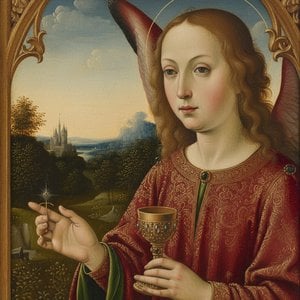
Jan Massys, poznat i kao Jan Massijs, predstavlja ključnu figuru u cvetajućem umetničkom pejzažu Flamandske landske u 16. veku. Rođen oko 1466. godine u Leuvenu, u Belgiji, njegov život i rad predstavljaju fascinantan spoj tradicije i inovacije, religiozne pobožnosti i oštrog društvenog komentara. Iako su legende prvobitno crtale sliku kovača koji je postao umetnik — narativ koji sugeriše skromno poreklo vođeno strasti — istorijski zapisi otkrivaju porodicu sa utvrđenim imovinama, što ukazuje na to da je Massysova posvećenost slikarstvu proistekla iz umetničkog nagona, a ne iz ekonomske nužde. Karel van Mander sugeriše da je bolest podstakla njegov prelazak sa kovačke radionice, što ga je navelo da ukrašava printove za karnevalske proslave, što je bio rani izraz njegove bujne kreativnosti. Verovatno je osnovnu obuku stekao u Leuvenu pre nego što se oko 1sene 1491. preselio u Antverpen, gde je brzo napredovao unutar esnafta Svetog Luke, etablirajući se kao majstor slikar i postavljajući temelje za ono što će postati poznato kao Antverpenska škola. Veruje se da je Joachim Patinir, čuven po svojim upečatljivim pejzažima, studirao pod Massysovom pokroviteljstvom, doprinoseći atmosferskim pozadinama koje se nalaze u nekim od njegovih dela — što je svedočanstvo o kolektivnom duhu unutar umetnikove radionice.
Odjeki tradicije i uslišení novi glas
Massysov umetnički stil duboko je ukorenjen u flamansku tradiciju, svesno oživljavajući pedantni detalj i ekspresivnu snagu majstora kao što su Jan van Eyck i Rogier van der Weyden. On je majstorski kombinovao čvrste konture sa nijansiranim modelovanjem, postigavši izuzetnu jasnoću i dubinu unutar svojih kompozicija. Njegova dela karakteriše blistava bogatstvo dobijeno od transparentnih pigmenata, što daje eterični kvalitet kako religioznim scenama, tako i svetovnim portretima. Međutim, Massys nije samo replikovao prošlost; on ju je prožimao izrazito ličnom vizijom. Posedovao je izuzetan dar da uhvati iskrenu emociju i minuciozne detalje, posvećujući posebnu pažnju teksturama — sjaju dragulja, zamršeno ivicama odeće, suptilnoj ornamentici koja je njegovo delo podigla iznad običnog predstavljanja. Ovaj pedantni pristup proširio se i na njegov istraživački rad sa svetlošću i senkom, stvarajući suptilne, ali očaravajuće efekte koji uvode posmatrača u srce svake scene. Nije se plašio da se suoči sa složenim temama, neprimetno spajajući religiozne narative sa prodornim zapažanjima o ljudskoj prirodi i društvenoj dinamici.
Satira, duhovnost i trajni utisci
Massysovo delo je izuzetno raznoliko, obuhvatajući kako duboko poštovana religiozna oltarska dela, tako i hrabre satirične portrete koji su izazivali konvencionalne norme. Njegova najpoznatija dela uključuju
Ružnu vojvodinju (1513), sada kultnu sliku koja je pokrenula debate svojim neustrašivim prikazom starenja i društvenih standarda lepote;
Portret starca (1513) koji nastavlja ovaj pravac društvene kritike, kao i
Menjačницу i njegovu ženu (1514), upečatljiv prikaz pohlepe i avarici unutar trgovačke klase. Ovi satirični komadi bili su revolucionarni za svoje vreme, nudeći relativno neobičan oblik kritike kroz portretstvo — što je dokaz Massysove hrabrosti i umetničke vizije. Pored ovih upečatljivih portreta, stvorio je brojne religiozne oltarske panele i triptihove, uključujući značajne porudžbine za crkvu Svetog Petra u Leuvenu, demonstrirajući svoju svestranost i veštinu u devocionalnim delima velikih dimenzija. Čak i dela poput
Venere sa Citere (1561) otkrivaju fascinaciju klasičnim temama i potencijalno odražavaju svest o umetničkim razvojima koji su se tada dešavali u Italiji.
Nasleđe iskovano u Antverpenu
Massysov uticaj protezao se daleko izvan njegovog vlastitog životnog veka, učvršćujući njegovo mesto osnivača cenjene Antverpenske škole uporedo sa njegovim sinom Quintenom Massysom i bratom Cornelisom Massysom. On je vešto sintetizovao uticaje ranijih flamanskih majstora — Dirka Bouts, Hansa Memlinga, Rogiera van der Weydena i Jana van Eycka — istovremeno uključujući elemente iz Italije i drugih regija Niskih Zemalja. Ova fuzija stvorila je jedinstven umetnički identitet koji je definisao Antverpensku školu generacijama koje su dolazile. Njegov naglasak na individualnoj karakterizaciji i realističkom prikazu ljudskih emocija odjeknuo je kod narednih umetnika, inspirišući ih da istražuju nove puteve izražavanja. U kasnijim godinama života, Massys se suočavao sa periodima nedaća, uključujući progonstvo iz Antverpena zbog religijskih uverenja, što ga je navelo da traži utočište u Italiji i Francuskoj pre nego što se na kraju vratio kući. Uprkos tim izazovima, nastavio je da prima porudžbine, pokazujući svoju trajnu reputaciju i umetničku moć sve do smrti 1575. godine. Njegovo nasleđe ostaje sigurno — kao svedočanstvo o slikarstvu koje nije samo savladalo tehnike svojih prethodnika, već se usudilo i da izazove konvencije i ponudi jedinstveno prodorno viđenje sveta koji ga okružuje.
Istraživanje Massysovog sveta danas
- Radionica Jana Massysa: Otkrijte ovo očaravajuće slikarstvo iz 16. veka, koje prikazuje društveni skup sa detaljnim figurama i bogatom atmosferom.
- Sveta porodica: Istražite ovo zadivljujuće ulje na platnu iz ranog renesansnog doba, divite se realističnim figurama, raskošnom detalju, simbolizmu i tehnici.
- Quinten Massys: Zaronite u rad Janovog sina, ključne figure flamanske renesanse poznate po svojim religioznim slikama i satiričnim delima.



 Pregledaj u prostoru
 Naručite ručno oslikano reprodukciju
 Podeli
 Podeli
 Detalji
 Vodič
Vodič

 Preuzmi sliku
 Slični predmeti
 Rendgenski snimak
 Automatska prezentacija
 Statistika


 Pročitaj više






































 Opcija sa staklom dostupna je samo za dimenzije manje od 110 cm