Pregledaj u prostoru Isprobaj u AR-u Pređi na prodaju štampanih primeraka Pređi na prodaju digitalnih slika Podeli
Detalji Vodič Dodaj u omiljene Preuzmi sliku Slični predmeti Rendgenski snimak Automatska prezentacija Statistika

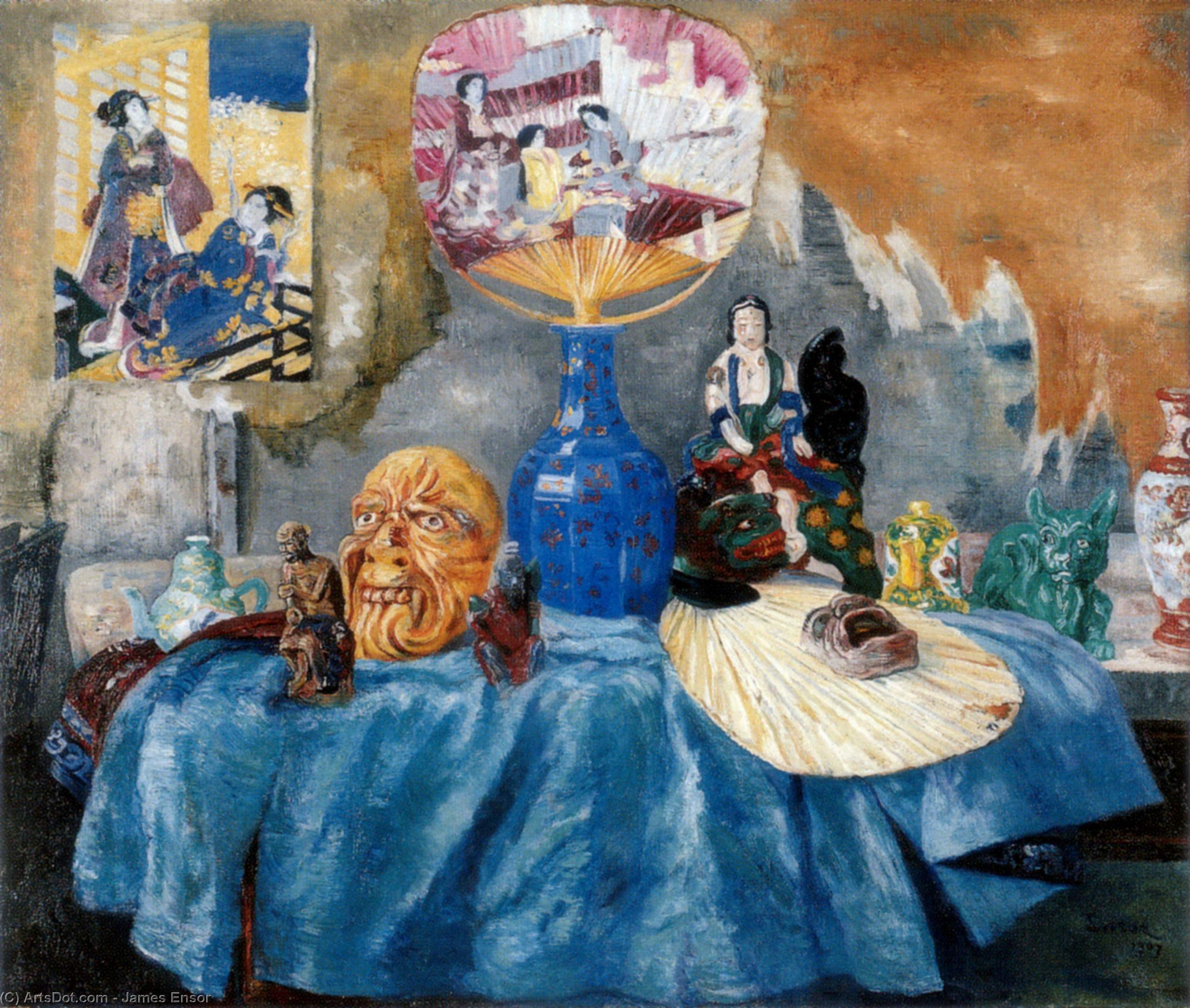
Chinoiseries

Откријте Јамес Енсор (1860-1949), белгијског сликар који је био пионер експресионизма и сюрреализма. Истражите његове узнемирујуће сцене маски, карнавала и скелета.

Ručno rađena uljana reprodukcija

Ručno oslikano uljanim bojama na platnu u dimenzijama i okviru po vašem izboru, izrađeno po porudžbini od strane naših umetnika. ( Pređi na prodaju štampanih primeraka Pređi na prodaju digitalnih slika)

Corner sample of the P118B picture frame: moulded polystyrene, 5 cm wide and 3 cm thick
P118B дин10
Corner sample of the P118H picture frame: moulded polystyrene, 5 cm wide and 3 cm thick
P118H дин10
Corner sample of the P118W picture frame: moulded polystyrene, 5 cm wide and 3 cm thick
P118W дин10
Corner sample of the P438Z picture frame: moulded polystyrene, 5.5 cm wide and 3.5 cm thick
P438Z дин10
Corner sample of the P508JH picture frame: moulded polystyrene, 7 cm wide and 3.5 cm thick
P508JH дин12
Corner sample of the P508YH picture frame: moulded polystyrene, 7 cm wide and 3.5 cm thick
P508YH дин12
Corner sample of the P805H picture frame: moulded polystyrene, 5 cm wide and 3.5 cm thick
P805H дин10
Corner sample of the P805Z picture frame: moulded polystyrene, 5 cm wide and 3.5 cm thick
P805Z дин10
Corner sample of the P919BZ picture frame: moulded polystyrene, 7 cm wide and 3.5 cm thick
P919BZ дин10
Corner sample of the P919G picture frame: moulded polystyrene, 7 cm wide and 3.5 cm thick
P919G дин10
Corner sample of the P919XJ picture frame: moulded polystyrene, 7 cm wide and 3.5 cm thick
P919XJ дин10
Corner sample of the P959ZH picture frame: moulded polystyrene, 5 cm wide and 3 cm thick
P959ZH дин10
Corner sample of the P968JZ picture frame: moulded polystyrene, 6 cm wide and 4 cm thick
P968JZ дин12
Corner sample of the W106C picture frame: solid wood, 5 cm wide and 3 cm thick
W106C дин8
Corner sample of the W218G picture frame: solid wood, 5 cm wide and 3 cm thick
W218G дин10
Corner sample of the W218JH picture frame: solid wood, 5 cm wide and 3 cm thick
W218JH дин8
Corner sample of the W218Y picture frame: solid wood, 5 cm wide and 3 cm thick
W218Y дин10
Corner sample of the W307PJ picture frame: solid wood, 6 cm wide and 3 cm thick
W307PJ дин10
Corner sample of the W316G picture frame: solid wood, 6 cm wide and 3 cm thick
W316G дин10
Corner sample of the W316PJ picture frame: solid wood, 6 cm wide and 3 cm thick
W316PJ дин8
Corner sample of the W316Y picture frame: solid wood, 6 cm wide and 3 cm thick
W316Y дин10
Corner sample of the W398PJ picture frame: solid wood, 5 cm wide and 3 cm thick
W398PJ дин8
Corner sample of the W4111J picture frame: solid wood, 6.5 cm wide and 3.5 cm thick
W4111J дин10
Corner sample of the W500HY picture frame: solid wood, 7 cm wide and 5 cm thick
W500HY дин15
Corner sample of the W500JH picture frame: solid wood, 7 cm wide and 5 cm thick
W500JH дин15
Corner sample of the W692G picture frame: solid wood, 8 cm wide and 4 cm thick
W692G дин12
Corner sample of the W849H picture frame: solid wood, 5 cm wide and 3 cm thick
W849H дин8
Corner sample of the W940BG picture frame: solid wood, 7.5 cm wide and 4.5 cm thick
W940BG дин15
Corner sample of the W953PJ picture frame: solid wood, 6 cm wide and 3.5 cm thick
W953PJ дин8

Standardne dimenzije
po meri
CM
INCH

Izaberite jednu od naših unapred definisanih veličina koje odgovaraju originalnim proporcijama umetničkog dela.

širina
visina

Možete uneti sopstvene dimenzije kako biste prilagodili umetničko delo određenom okviru ili prostoru. Ako odabrana veličina ne odgovara proporcijama originala, slika će biti isečena ili proširena dodatnim elementima koji se ručno oslikavaju. Digitalni prikaz će vam biti poslat na odobrenje pre početka proizvodnje.
Imajte na umu da pregled na ekranu ne odražava stvarno prisecanje ili proširenje. Samo mockup će precizno prikazati konačnu kompoziciju.
Iako su dostupne prilagođene veličine, preporučujemo da izaberete dimenziju iz unapred definisane liste kako biste sačuvali originalne proporcije.

Primeri mogućih izmena: Zamena lica fotografijom kupca; Dodavanje ljubimca (npr. zamena mačke psom); Uključivanje skrivene poruke u pozadini; Promena pejzaža ili elemenata pozadine.
Nakon narudžbine, tim WahooArt.com će klijentu putem e-pošte poslati uputstva i dostaviti prikaz predloženog rešenja

Svetska isporuka () za 3/4 nedelje umesto uobičajenih 5 nedelja. (10 октобар). Bez kompromisa po pitanju kvaliteta.

Besplatna ekspresna dostava širom sveta
Visokokvalitetno laneno platno
Sveobuhvatno osiguranje transporta
Garancija povraćaja carine i uvoznih dažbina
Garancija vernosti boja i autentičnosti pri reprodukciji
Politika povraćaja u roku od 100 dana (samo u slučaju nedostataka)
Garancija povrata 100% novca
Popust pri većoj količini

Ukupna cena

дин 27495

Chinoiseries

Tehnika izrade reprodukcije

Veličina reprodukcije

-

Ukupna cena

дин 27495

Brzi pregled

  • Year: 1880
  • Notable elements: Vase, cat, masks
  • Location: Royal Museums of Fine Arts (Brussels)
  • Artist: James Ensor
  • Movement: Expressionism, Orientalism
  • Influences: Clyfford Still
  • Title: Chinoiseries

Kviz o umetnosti

Svako pitanje ima samo jedan tačan odgovor.

Pitanje 1:
What artistic movement is most closely associated with James Ensor’s ‘Chinoiseries’?
Pitanje 2:
The inclusion of 'chinoiseries' in the painting primarily reflects Ensor’s interest in:
Pitanje 3:
What is depicted sitting on the floor towards the right side of the painting?
Pitanje 4:
Based on the image description, what is the dominant color scheme of ‘Chinoiseries’?
Pitanje 5:
James Ensor is often compared to another artist for his innovative style. Who was he compared to?

A World Within Walls: Unpacking James Ensor’s “Chinoiseries”

James Ensor's "Chinoiseries," painted in 1880, isn’t merely a depiction of an interior scene; it’s a carefully constructed psychological landscape. This captivating work, residing within the Royal Museums of Fine Arts of Belgium in Brussels, offers a glimpse into the artist’s uniquely unsettling and intensely personal vision. Ensor, born in Ostend to an English father and Belgian mother, possessed a sensibility deeply shaped by his upbringing amidst the vibrant chaos of a seaside resort town – a place saturated with masks, curiosities, and a potent sense of theatricality. This early exposure profoundly influenced his artistic trajectory, leading him away from conventional academic training and toward a fiercely independent style that would forever challenge the established norms of art.

The Dance of Form and Feeling: Style and Technique

“Chinoiseries” is a masterclass in Expressionist technique, subtly blended with elements of Orientalism. Ensor’s brushstrokes are not delicate or refined; they are bold, assertive, and often deliberately rough, conveying an underlying sense of unease and emotional intensity. The color palette—dominated by deep blues and greens—creates a claustrophobic atmosphere, intensifying the feeling of being trapped within the confines of the room. Notice how he utilizes contrasting colors – the vibrant reds and yellows of the decorative objects against the somber background – to draw the eye and heighten the drama. The composition itself is deliberately unbalanced, with the figures positioned in ways that disrupt any sense of harmony or stability. This deliberate distortion reflects Ensor’s interest in exploring the darker aspects of human experience.

  • Oil on Canvas: The medium lends itself perfectly to Ensor's expressive style, allowing for rich textures and a dynamic application of paint.
  • Bold Brushwork: Visible brushstrokes contribute significantly to the painting’s emotional impact.
  • Color Palette: Deep blues and greens create an atmosphere of mystery and introspection.

Decoding the Symbols: Orientalism, Masks, and Human Connection

The title itself, “Chinoiseries,” immediately signals Ensor’s fascination with the exotic – specifically, Chinese-inspired motifs. The table laden with porcelain vases, bowls, and cups isn't simply decorative; it represents a deliberate attempt to introduce an element of the ‘other’ into a European setting. This reflects a broader trend in 19th-century art, where artists sought to explore and interpret foreign cultures through visual representation. However, Ensor doesn’t offer a romanticized view of the Orient. Instead, he presents these objects within a context that is unsettling and ambiguous. The two figures present – one standing, the other seated – are deliberately undefined, their faces obscured or averted, suggesting a lack of genuine connection. The cat, perched on the floor, adds another layer of intrigue, embodying mystery and perhaps even a touch of foreboding.

A Portrait of an Artist’s Mind: Context and Legacy

“Chinoiseries” is often compared to the work of Clyfford Still, a pioneer of Abstract Expressionism, due to their shared emphasis on emotional intensity and non-representational forms. However, Ensor's approach is far more rooted in psychological observation than pure abstraction. His paintings are not simply about depicting objects; they’re about conveying feelings – anxiety, isolation, and the unsettling nature of human relationships. The painting’s creation coincided with a period of significant social and artistic change, mirroring the growing anxieties of modern life. It's a testament to Ensor’s ability to capture the complexities of the human condition through a uniquely personal and often disturbing lens. Reproductions of “Chinoiseries” offer a remarkable opportunity to experience this powerful work firsthand, bringing its enigmatic atmosphere into any space.

Explore more captivating works by James Ensor and discover high-quality reproductions at WahooArt.com. For deeper insights into the artist’s life and oeuvre, visit his Wikipedia profile: https://en.wikipedia.org/wiki/James_Ensor.

Pitanja i odgovori

Šta "Chinoiseries" deli sa ostatkom stvaralaštva umetnika Јемас Енсор?

„Chinoiseries“ pripada Expressionist Orientalism periodu stvaralaštva umetnika Јемас Енсор, čije su upečatljive teme obuhvatale expressionist distortion, oriental motifs, belgian identity, cultural fusion, masks, hidden emotions, satire, ensor’s unique visual language.

Gde i u koje svrhe se preporučuje "Chinoiseries"?

„Chinoiseries”, Јемас Енсор se preporučuje za Statement, idealno u Living Room. Upotreba i prostor zajedno ukazuju na to gde reprodukcija najbolje pristaje.

Kako mogu da nabavim print dela „Chinoiseries”, Јемас Енсор?

"Chinoiseries" je dostupan kao umetnička štampa na pamučnom platnu ili arhivskom kanvas papiru. Porudžbine se vrše na ova stranica, u dimenziji po vašem izboru.

Kolika je zasićenost i intenzitet koji prikazuje „Chinoiseries”, Јемас Енсор?

„Chinoiseries”, Јемас Енсор je zabeležen sa Balanced Soft zasićenosti i Balanced intenzitetom.

Kakvu atmosferu donosi „Chinoiseries”, Јемас Енсор u enterijer?

Dramatic atmosfera dela „Chinoiseries”, Јемас Енсор savršeno odgovara preporučenom prostoru: Living Room.

Koji umetnik se pripisuje delu "Chinoiseries"?

Umetnik koji stoji iza dela "Chinoiseries" je Јемас Енсор. Delo je katalogizovano pod imenom umetnika Јемас Енсор.

Gde mogu kupiti ručno oslikano reprodukciju dela „Chinoiseries”, Јемас Енсор?

Ručno oslikanu reprodukciju dela „Chinoiseries”, Јемас Енсор možete naručiti direktno na ova stranica: ručno oslikana uljana reprodukcija na lanenom platnu, izrađenu po porudžbini.


Biografija umetnika

James Ensor: A Pioneer of Expressionism and Surrealism

James Sidney Edouard, Baron Ensor (Ostend, 13 April 1860 – 19 November 1949) was a Belgian painter and printmaker who stands as one of the most influential figures in the development of Expressionism and Surrealism. Born into an English father and Belgian mother amidst the vibrant atmosphere of Ostend’s seaside resort town, Ensor’s upbringing instilled within him a profound fascination with observation and detail—a foundation upon which he would construct his distinctive artistic vision.

Early Influences and Artistic Training

From a young age, Ensor demonstrated an exceptional talent for drawing and painting. Encouraged by his parents' operation of a souvenir shop brimming with curiosities and carnival masks – a veritable cabinet of wonders that ignited his imagination – he pursued formal artistic training at the Académie Royale des Beaux-Arts in Brussels. Despite encountering resistance from the rigid academic conventions of the time, Ensor quickly recognized the necessity of forging his own path, prioritizing experimentation and personal expression above all else.

The Emergence of Grotesque Vision

Around 1886–87, Ensor embarked on a transformative artistic journey, rejecting Impressionistic ideals in favor of a bold embrace of grotesque imagery. Influenced by Rembrandt’s masterful use of chiaroscuro, the unsettling visions of Francisco Goya, and the evocative symbolism of Japanese woodcuts, he developed a highly personal iconography characterized by jarring juxtapositions of color and form.

Major Works and Recurring Themes

Ensor's oeuvre is marked by an unparalleled exploration of psychological complexity and social critique. Paintings like *The Oyster-eater* (1882) exemplify his meticulous attention to detail and his ability to convey profound emotional resonance, while *Christ’s Entry into Brussels* (1888–89), arguably his magnum opus, remains a monumental satire of religious hypocrisy—a painting initially met with vehement disapproval but now universally recognized as a cornerstone of Expressionist art.

Legacy and Influence

James Ensor's uncompromising artistic vision profoundly impacted subsequent generations of artists. His rejection of academic formalism, coupled with his fearless confrontation of taboo subjects and his masterful manipulation of visual language—particularly the use of bold brushstrokes and vibrant hues—established him as a pivotal figure in the genesis of Expressionism and Surrealism. Today, Ensor’s work continues to inspire awe and provoke contemplation, serving as a timeless reminder that art possesses the capacity to unsettle conventions and illuminate the darkest recesses of human consciousness.

Јемас Енсор

Јемас Енсор

1860 - 1949 , Бележија

Brzi pregled

  • Artistic Movement Or Style: Expressionism, Surrealism
  • Artists Who Influenced This Artist:
    • Bruegel the Elder
    • Francisco Goya
    • Whistler
  • Date Of Birth: April 13, 1860
  • Date Of Death: November 19, 1949
  • Full Name: James Sidney Edouard Ensor
  • Nationality: Belgian
  • Notable Artworks:
    • The Scandalized Masks
    • Skeletons Fighting...
    • Christ's Entry into Brussels
  • Place Of Birth: Ostend, Belgium
Istražite umetnička dela organizovana prema temama, stilovima i karakteristikama.