BESPLATNA KONSULTACIJA SA STRUČNJAKOM ZA UMETNOST

x
Kupi štampu Kupi štampuNaručite reprodukciju Naručite reprodukciju PošaljiPošalji
DetaljiDetalji Dodaj u omiljene Dodaj u omiljene ПреузмиПреузми Slični predmetiSlični predmeti Rendgenski snimakRendgenski snimak SlajdoviSlajdovi

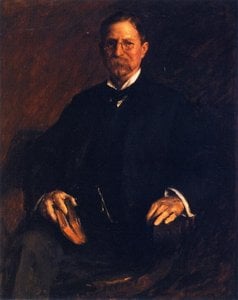
Self Potrait -

Discover István Réti’s ‘Self Portrait,’ an evocative impressionist painting featuring a shadowed man amidst vibrant red roses. Explore its textured impasto & symbolic beauty.

István Réti (1872-1945) was a pivotal Hungarian painter & theorist of the Nagybánya artists' colony. Known for evocative interiors, portraits, and religious works like 'Christ with the Apostles,' he reformed art education in Hungary. Explore his lega

Kupite digitalnu sliku visoke rezolucije i poboljšanog kvaliteta, koja je znatno superiornija od onoga što vidite u online prikazu.

Svaka datoteka je pedantno pripremljena od strane naših stručnjaka koristeći napredne alate i profesionalnu ručnu retušu. Osiguravamo da svaka slika ima izuzetnu oštrinu, preciznu reprodukciju boja i fine detalje.

Konačna datoteka se dostavlja putem e-pošte u roku od 72 sata, optimizovana za neposrednu upotrebu u profesionalnim, izdavačkim i štamparskim okruženjima. To je isti kvalitet kojem veruju vrhunski studiji dizajna, izdavači i galerije.

Digitalna slika

Preuzmite datoteku visoke rezolucije za ličnu upotrebu, štampanje i kreativne projekte.

Ukupna cena

$9.99

Uključeno uz svaku porudžbinu digitalne slike

Profesionalna digitalna isporuka, zagarantovana

Kada odaberete WahooArt.com, ne dobijate samo sliku – vi primate profesionalno unapređeno digitalno umetničko delo, izrađeno sa najvećom preciznošću i uz garanciju zadovoljstva. Evo svega što automatski dolazi uz vašu porudžbinu:

shipping_icon
Brza dostava putem e-pošte

Vaša digitalna slika visoke rezolucije biće vam poslata putem e-pošte u roku od 72 sata od poručivanja – spremna za trenutnu upotrebu.

canvas_icon
Digitalna datoteka unapređena veštačkom inteligencijom

Vaše umetničko delo je profesionalno optimizovano korišćenjem naprednih AI alata i ručne obrade, čime se osiguravaju maksimalni detalji, oštrina i preciznost boja.

insurance_icon
Besplatna ponovna isporuka doživotno

Slučajno ste obrisali ili izgubili svoju datoteku? Ne brinite – poslaćemo vam je ponovo u bilo kom trenutku, potpuno besplatno.

tax_icon
Bez troškova uvoza – zauvek

Uživajte u svojim umetničkim delima trenutno, bez carine, dažbina ili troškova dostave – digitalni download je uvek bez poreza.

color_icon
Garancija vernosti boja

Uz pomoć profesionalnih alata i upravljanja bojama, osiguravamo da vaša digitalna slika što vernije odražava originalne boje.

return_icon
Garancija zadovoljstva u roku od 60 dana

Ako niste zadovoljni svojom digitalnom slikom, revidirat ćemo je ili vratiti 100% novca u roku od 60 dana – bez ikakvih pitanja.

guarantee_icon
100% garancija povrata novca

Niste zadovoljni? Obezbedite pun povrat novca u roku od 60 dana od trenutka kada ste primili svoju digitalnu datoteku – bez suvišnih pitanja.

discount_icon
Popusti na velike porudžbine

Kupite 3 slike, uštedite 10% - Kupite 5 slika, uštedite 15% - Kupite 10+ slika, uštedite 20%. Odlično za kreativne projekte, galerije i agencije.

Srodna umetnička dela


Biografija umetnika

istván réti was a hungarian painter, professor, art historian and leading member, as well as a founder and theoretician, of the nagybánya artists' colony, located in what is present-day baia mare, romania. in addition, he served as president of the hungarian university of fine arts (1927-1931) and (1932-1935).
the artists' colony and its school were considered very influential in hungarian and romanian art; in 1966 the hungarian national gallery had a major exhibition of their work: the art of nagybánya. centennial exhibition in celebration of the artists' colony in nagybánya.
istván réti was born in nagybánya, austria-hungary (today baia mare, romania). in 1890 at the age of 18, he began his studies at the budapest school of drawing in 1890 but left after a month.
in 1891 he went to munich, where he studied with simon hollósy, a young hungarian painter who had established free classes, as he objected to the technical training at the more conservative munich academy. réti met other young artists here who became part of his circle when they returned to hungary. later réti also studied in paris at the académie julian, to which many other painters were attracted from hungary.
returning to nagybánya, réti painted his first significant work, bohémek karácsonyestje idegenben (christmas night of the bohemians abroad) (1893). this nostalgic lamplit interior, typical of the period, was exhibited at the palace of art in budapest and purchased by the state.
in 1894 réti travelled to turin, italy. there he painted kossuth lajos a ravatalon ("lajos kossuth on his bier"); the revolutionary had just died there. réti was attracted by the work of jules bastien-lepage. during an 1895 trip to paris, he learned about the work of pierre puvis de chavannes.
together with jános thorma, réti helped persuade hollósy to move his school from munich to nagybánya. in 1896 réti was one of the founders of the artists' colony there. starting in 1902, he served as a professor at its free painting academy, and in 1911 he was one of the founders of the nagybánya painters' association.
although réti moved to budapest in 1913 to teach at what is now the university of fine arts, he continued making improvements to the nagybánya school during the summers. he taught summer classes there through 1927.
from 1920 réti worked to reform the university of fine arts according to nagybánya principles, together with károly lyka. he served as its president from 1927-1931 and from 1932-1935. he retired in 1938.
réti spent the last decade of his life writing a history of the nagybánya artists' colony. he died in budapest.
in his first phase as a painter, réti was chiefly interested in light and interiors, especially lamps or sunlight streaming through windows, as shown in gyötrődés (cacophony), 1894; öregasszonyok (old women, 1900); and kenyérszelés (slicing the bread, 1906).
he did not adopt the plein air landscape painting programme at nagybánya. in 1899 he produced one of his best-known canvases, honvédtemetés (burial of a hungarian soldier), which referred to the 1848 revolution; the unity of the landscape and people is bound together by the grey of the dusk.
from 1904–07 (the last two years working in rome), réti painted several versions of krisztus apostolok között (christ with the apostles), his most significant religious work. after 1910 he created several decorative paintings, such as cigánylány (the gypsy girl, 1912), and many portraits and self-portraits, including one of lajos kossuth in 1931.
in his later years, réti worked relatively slowly, taking long breaks between paintings and undertaking theoretical preparation for each new one. his oeuvre from this period is considered inconsistent. as he concentrated on teaching, his works diminished in both quality and quantity.
from an early age, réti was preoccupied by contemporary questions of artistic theory, which he also tried to explore as a professor. after 1920, particularly, he wrote more articles on these subjects. scholars consider his writings on aesthetics, influenced by benedetto croce and henri bergson, to have had a more profound effect on other artists than did his painting or teaching activities.
christmas night of the bohemians abroad (1893)
old women (1900)
slicing the bread (1906)
gypsy girl (1912)

more...
istvan reti

istvan reti

1872 - 1945 , Romania