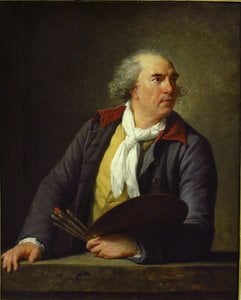
Slikar Ruina i Vizija: Svet Huberta Roberta
Hubert Robert, ime sinonim za impresivne pejzaže i romantičnu privlačnost ruševina, zauzima jedinstvenu poziciju u francuskoj umetnosti 18. veka. Rođen u Parizu 1733. godine, njegov život se odvijao na pozadini promenljivih umetničkih stilova i monumentalnih istorijskih prevrata – od raziglane elegancije Rokokoa do zore Neoklasicizma, a zatim kroz burne godine Francuske revolucije. On nije samo beležio propadanje; stvarao je vizije, spajajući posmatranje sa maštom kako bi stvorio scene koje su odjekivale nostalgijom za prošlošću i iščekivanjem budućnosti. Njegovo putovanje je počelo u strukturiranom svetu umetničke obuke, prvo pod skulptorom Mišel-Anž Slodcom, koji je prepoznao Robertov talenat, ali ga je mudro usmerio ka slikarstvu, osećajući da mu se pravi poziv nalazi u hvatanju svetlosti, atmosfere i suptilne poezije oblika.
Rimski Snovi: Oblikovanje Umetničkog Identiteta
Ključni trenutak u Robertovom umetničkom razvoju stigao je sa njegovim produženim boravkom u Rimu 1754. godine. Prateći Etijena-Fransoa de Šoazela, uronio je u svet prožet istorijom i arhitektonskom veličinom. Jedanaest godina, drevni grad je postao njegov studio na otvorenom, a njegove rušećine, veličanstveni lukovi i obrasle bašte su podsticale njegovu maštu. Ovo nije bilo samo o replikaciji onoga što je video; radilo se o tumačenju, ponovnoj zamisli i utiskivanju osećaja melanholične lepote. Radio je zajedno sa Đovanijem Paolom Paninijem, čiji je uticaj vidljiv u Robertovim ranim *kapričo* kompozicijama – fantastičnim prizorima koji su juxtapozirali klasične ruševine i savremeni život. Međutim, Robert se brzo oslobodio imitacije, razvijajući sopstveni prepoznatljiv stil karakterizovan minucioznim detaljima, atmosferskom perspektivom i dubokom osetljivošću za igru svetla i senke. On nije samo slikao ruševine; slikao je samo vreme, hvatajući potresnu lepotu prolaznosti i trajne moći sećanja. Njegove skicnice iz ovog perioda su neprocenjivi zapisi njegovih posmatranja, ispunjeni detaljnim studijama rimskih znamenitosti kao što su Vila d’Este i Kaprarola, demonstrirajući oštar pogled za arhitektonsku nijansu i kompoziciju pejzaža.
Pariski Uspeh i Kraljevska Patronat
Robertov povratak u Pariz 1765. godine označio je prekretnicu u njegovoj karijeri. Brzo je stekao priznanje unutar umetničke zajednice, obezbedivši prijem u Akademiju Royale de Peinture et de Sculpture sa delom “Luka Rima, ukrašena različitim spomenicima arhitekture, drevnim i modernim.” Njegove sledeće izložbe na Salonu su izazvale široki aplauz, očaravajući publiku svojim evocativnim prikazima ruševina i slikovitih pejzaža. Denis Diderot, istaknuta figura prosvetiteljstva, pohvalio je veličanstvo koje je Robertovim slikama probudilo, prepoznajući njegovu sposobnost da prenese gledaoce u drugo vreme i mesto. Ovaj uspeh ga je doveo do kraljevske patronaže, sa narudžbinama za dekorativne projekte i imenovanjem za “Dizajnera Kraljevih bašti”, a kasnije, “Čuvara Kraljevih slika”. Postao je traženi umetnik, ne samo po svojim slikama na platnu, već i po svojim inovativnim dizajnom za vrtove i palatske enterijere. Njegov rad je odjekivao preovlađujući ukus za *kapričo* slikarstvo – žanr koji je privukao kolekcionare fascinirane istorijom, arheologijom i pitoresknim – ali ga je Robert obogatio jedinstvenom osetljivošću, podigavši ga iznad puke dekorativne umetnosti.
Revolucija, Otpornost i Trajno Nasleđe
Francuska revolucija predstavljala je bez presedana izazov za Roberta. Iako se mnogi umetnici borili da pronađu put kroz burnu političku klimu, on se našao uhvaćen u sukobima promena. Bio je čak i zatvoren tokom Vlade Terora, potresno iskustvo koje ga je ipak inspirisalo na seriju crteža koji su dokumentovali njegovo vreme u zatvoru. Iznenađujuće, nastavio je da slika plodonosno tokom ovog perioda, demonstrirajući nepokolebljivu posvećenost svojoj umetnosti. Nakon Revolucije, Robert je imenovan za kustosa novoustanovljenog Muséum Central des Arts – budućeg Musée du Louvre – svedočeći o njegovoj stručnosti i predanosti očuvanju kulturnog nasleđa. Imao je ključnu ulogu u organizaciji i katalogiziranju zbirke muzeja, osiguravajući da su Francusko umetničko blago zaštićeno za buduće generacije. Hubert Robert umro je u Parizu 1808. godine, ostavljajući iza sebe izvanredno delo koje nastavlja da izaziva divljenje i poštovanje. Njegovo nasleđe leži ne samo u njegovoj tehničkoj veštini, već i u njegovoj jedinstvenoj sposobnosti da spoji istorijsku tačnost sa maštovitom vizijom. On je pionirirao žanru slikarstva koji je proslavio i lepotu propadanja i trajne moći ljudske kreativnosti, učvršćujući svoj položaj kao ključna figura koja povezuje Rokoko i Neoklasicizam, i predviđa aspekte Romantizma sa svojim interesovanjem za istoriju i maštu.
- Ključni Uticaji: Đovani Paolo Panini, Piranesi, arhitektonski pejzaž Rima.
- Glavne Teme: Ruševine, pejzaži, *kapričo* slike, istorijska memorija, prolazak vremena.
- Umetnički Stil: Minuciozni detalji, atmosferska perspektiva, evocativno osvetljenje, spajanje posmatranja i mašte.



 Pregledaj u prostoru
 Naručite ručno oslikano reprodukciju
 Podeli
 Podeli
 Detalji
 Vodič
Vodič

 Preuzmi sliku
 Slični predmeti
 Rendgenski snimak
 Automatska prezentacija
 Statistika


 Pročitaj više






































 Opcija sa staklom dostupna je samo za dimenzije manje od 110 cm