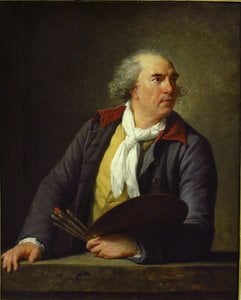
Slikar Ruina i Vizija: Svet Huberta Roberta
Hubert Robert, ime sinonim za impresivne pejzaže i romantičnu privlačnost ruševina, zauzima jedinstvenu poziciju u francuskoj umetnosti 18. veka. Rođen u Parizu 1733. godine, njegov život se odvijao na pozadini promenljivih umetničkih stilova i monumentalnih istorijskih prevrata – od raziglane elegancije Rokokoa do zore Neoklasicizma, a zatim kroz burne godine Francuske revolucije. On nije samo beležio propadanje; stvarao je vizije, spajajući posmatranje sa maštom kako bi stvorio scene koje su odjekivale nostalgijom za prošlošću i iščekivanjem budućnosti. Njegovo putovanje je počelo u strukturiranom svetu umetničke obuke, prvo pod skulptorom Mišel-Anž Slodcom, koji je prepoznao Robertov talenat, ali ga je mudro usmerio ka slikarstvu, osećajući da mu se pravi poziv nalazi u hvatanju svetlosti, atmosfere i suptilne poezije oblika.
Rimski Snovi: Oblikovanje Umetničkog Identiteta
Ključni trenutak u Robertovom umetničkom razvoju stigao je sa njegovim produženim boravkom u Rimu 1754. godine. Prateći Etijena-Fransoa de Šoazela, uronio je u svet prožet istorijom i arhitektonskom veličinom. Jedanaest godina, drevni grad je postao njegov studio na otvorenom, a njegove rušećine, veličanstveni lukovi i obrasle bašte su podsticale njegovu maštu. Ovo nije bilo samo o replikaciji onoga što je video; radilo se o tumačenju, ponovnoj zamisli i utiskivanju osećaja melanholične lepote. Radio je zajedno sa Đovanijem Paolom Paninijem, čiji je uticaj vidljiv u Robertovim ranim *kapričo* kompozicijama – fantastičnim prizorima koji su juxtapozirali klasične ruševine i savremeni život. Međutim, Robert se brzo oslobodio imitacije, razvijajući sopstveni prepoznatljiv stil karakterizovan minucioznim detaljima, atmosferskom perspektivom i dubokom osetljivošću za igru svetla i senke. On nije samo slikao ruševine; slikao je samo vreme, hvatajući potresnu lepotu prolaznosti i trajne moći sećanja. Njegove skicnice iz ovog perioda su neprocenjivi zapisi njegovih posmatranja, ispunjeni detaljnim studijama rimskih znamenitosti kao što su Vila d’Este i Kaprarola, demonstrirajući oštar pogled za arhitektonsku nijansu i kompoziciju pejzaža.
Pariski Uspeh i Kraljevska Patronat
Robertov povratak u Pariz 1765. godine označio je prekretnicu u njegovoj karijeri. Brzo je stekao priznanje unutar umetničke zajednice, obezbedivši prijem u Akademiju Royale de Peinture et de Sculpture sa delom “Luka Rima, ukrašena različitim spomenicima arhitekture, drevnim i modernim.” Njegove sledeće izložbe na Salonu su izazvale široki aplauz, očaravajući publiku svojim evocativnim prikazima ruševina i slikovitih pejzaža. Denis Diderot, istaknuta figura prosvetiteljstva, pohvalio je veličanstvo koje je Robertovim slikama probudilo, prepoznajući njegovu sposobnost da prenese gledaoce u drugo vreme i mesto. Ovaj uspeh ga je doveo do kraljevske patronaže, sa narudžbinama za dekorativne projekte i imenovanjem za “Dizajnera Kraljevih bašti”, a kasnije, “Čuvara Kraljevih slika”. Postao je traženi umetnik, ne samo po svojim slikama na platnu, već i po svojim inovativnim dizajnom za vrtove i palatske enterijere. Njegov rad je odjekivao preovlađujući ukus za *kapričo* slikarstvo – žanr koji je privukao kolekcionare fascinirane istorijom, arheologijom i pitoresknim – ali ga je Robert obogatio jedinstvenom osetljivošću, podigavši ga iznad puke dekorativne umetnosti.
Revolucija, Otpornost i Trajno Nasleđe
Francuska revolucija predstavljala je bez presedana izazov za Roberta. Iako se mnogi umetnici borili da pronađu put kroz burnu političku klimu, on se našao uhvaćen u sukobima promena. Bio je čak i zatvoren tokom Vlade Terora, potresno iskustvo koje ga je ipak inspirisalo na seriju crteža koji su dokumentovali njegovo vreme u zatvoru. Iznenađujuće, nastavio je da slika plodonosno tokom ovog perioda, demonstrirajući nepokolebljivu posvećenost svojoj umetnosti. Nakon Revolucije, Robert je imenovan za kustosa novoustanovljenog Muséum Central des Arts – budućeg Musée du Louvre – svedočeći o njegovoj stručnosti i predanosti očuvanju kulturnog nasleđa. Imao je ključnu ulogu u organizaciji i katalogiziranju zbirke muzeja, osiguravajući da su Francusko umetničko blago zaštićeno za buduće generacije. Hubert Robert umro je u Parizu 1808. godine, ostavljajući iza sebe izvanredno delo koje nastavlja da izaziva divljenje i poštovanje. Njegovo nasleđe leži ne samo u njegovoj tehničkoj veštini, već i u njegovoj jedinstvenoj sposobnosti da spoji istorijsku tačnost sa maštovitom vizijom. On je pionirirao žanru slikarstva koji je proslavio i lepotu propadanja i trajne moći ljudske kreativnosti, učvršćujući svoj položaj kao ključna figura koja povezuje Rokoko i Neoklasicizam, i predviđa aspekte Romantizma sa svojim interesovanjem za istoriju i maštu.
- Ključni Uticaji: Đovani Paolo Panini, Piranesi, arhitektonski pejzaž Rima.
- Glavne Teme: Ruševine, pejzaži, *kapričo* slike, istorijska memorija, prolazak vremena.
- Umetnički Stil: Minuciozni detalji, atmosferska perspektiva, evocativno osvetljenje, spajanje posmatranja i mašte.



 Pregledaj u prostoru
 Pređi na prodaju štampanih primeraka
 Podeli
 Podeli
 Detalji
 Vodič
Vodič

 Preuzmi sliku
 Slični predmeti
 Rendgenski snimak
 Automatska prezentacija
 Statistika


 Pročitaj više