

Nabavite datoteku spremnu za štampu koja nudi znatno veći kvalitet od onlajn pregleda. Svaka digitalna slika koju nudimo potiče iz visokorezolucičnog master fajla iz naše baze — obično širine od 5.000 do 15.000 piksela — što vam omogućava štampu u velikom formatu, precizno kadriranje ili bezbrižnu reprodukciju najfinijih detalja.
Nijedan fajl ne napušta naš studio netaknut. Digitalni stručnjak vrši proveru boja u odnosu na originalno delo i koriguje ih po potrebi, a zatim unapređuje jasnoću i detalje pomoću profesionalnih alata za retuširanje — uvek ostajući veran umetnikovim potezima četkice i stilu. Rezultat je slika koja izgleda kao pravo delo, a ne kao sken sa filterom.
Proverite i odobrite pre završetka: naš stručnjak vam šalje sliku putem e-pošte u roku od 72 sata na pregled. Niste zadovoljni? Zatražite poboljšanja ili ispravke, ili tražite povraćaj novca ukoliko kvalitet ne ispunjava vaša očekivanja.
Ovo je kvalitet kojem poverenje ukazuju izdavači, dizajnerski studiji, galerije i štamparije.
Preuzmite datoteku visoke rezolucije za ličnu upotrebu, štampanje i kreativne projekte. ( Pređi na štampu Kupite ručno oslikano delo)
Kada odaberete WahooArt.com, ne dobijate samo sliku – vi primate profesionalno unapređeno digitalno umetničko delo, izrađeno sa najvećom preciznošću i uz garanciju zadovoljstva. Evo svega što automatski dolazi uz vašu porudžbinu:
Vaša digitalna slika visoke rezolucije biće vam poslata putem e-pošte u roku od 72 sata od poručivanja – spremna za trenutnu upotrebu.
Vaše umetničko delo je profesionalno optimizovano primenom naprednih AI alata i ručne obrade, čime se osiguravaju maksimalni detalji, oštrina i preciznost boja.
Slučajno ste obrisali ili izgubili svoju datoteku? Ne brinite – poslaćemo vam je ponovo u bilo kom trenutku, potpuno besplatno.
Uživajte u svojim umetničkim delima trenutno, bez carine, akciza ili troškova dostave – digitalni download je uvek bez poreza.
Uz pomoć profesionalnih alata i upravljanja bojama, osiguravamo da vaša digitalna slika što vernije odražava originalne boje.
Ako niste zadovoljni svojom digitalnom slikom, izvršićemo reviziju ili ćemo vam vratiti 100% novca u roku od 100 dana – bez ikakvih pitanja.
Niste zadovoljni? Dobijte puni povraćaj novca u roku od 100 dana od prijema digitalne datoteke – bez suvišnih pitanja.
Kupite 3 slike, uštedite 10% - Kupite 5 slika, uštedite 15% - Kupite 10+ slika, uštedite 20%. Odlično za kreativne projekte, galerije i agencije.
Hubert Robert’s “Alexandre le Grand devant le tombeau d’Achille” (c. 1754-1757) is not merely a depiction of a historical scene; it's a carefully constructed tableau brimming with symbolic weight, rendered in the evocative style characteristic of the late 18th century. The painting transports us to a ruined Roman landscape – a deliberate choice by Robert that immediately establishes a dialogue between grandeur and transience. Here, Alexander the Great stands before what is clearly identified as Achilles’ tomb, not in triumphant victory, but in a posture of contemplative solemnity. This isn't the heroic Alexander of classical sculpture; he appears almost weary, his gaze fixed on the fragmented remains of the past, suggesting a profound awareness of mortality and the fleeting nature of even the most formidable power.
Robert masterfully employs a flattened perspective, prioritizing atmosphere and emotional resonance over strict adherence to linear realism. The composition is deliberately complex, layering figures – soldiers, onlookers, and Alexander himself – within a carefully orchestrated architectural setting. The strong vertical lines of the columns contrast sharply with the horizontal fragmentation of the fallen structures, creating a visual tension that mirrors the painting’s thematic concerns. Notice how Robert uses diffused lighting, reminiscent of an overcast day, to soften the edges and imbue the scene with a melancholic quality. The earthy color palette – dominated by ochres, browns, and muted blues – further reinforces this sense of age and decay, while subtle touches of red in the drapery draw the eye and add a touch of dramatic intensity.
While firmly rooted in the Neoclassical tradition—a style emphasizing clarity, order, and rational composition—Robert’s work also reveals a strong influence from the burgeoning Romantic movement. The ruins themselves are not simply historical artifacts; they represent a powerful symbol of time's relentless passage and the inevitable decline of all things. The scene evokes a sense of nostalgia for a lost golden age, a yearning for beauty amidst decay – a hallmark of Romanticism’s fascination with emotion and the sublime. Robert wasn’t just documenting ruins; he was crafting visions, blending observation with imagination to create scenes that resonated with both a longing for the past and an anticipation of the future.
The choice of Achilles' tomb is particularly significant. Achilles, the epitome of heroic strength and martial prowess, represents an ideal of masculine virtue—a concept increasingly challenged by the Enlightenment’s emphasis on reason and individual liberty. Alexander, standing before his demise, implicitly acknowledges this shift in values. The juxtaposition of the powerful conqueror with the fallen hero suggests a subtle critique of unchecked ambition and the ultimate futility of earthly glory. Robert's skill lies not just in depicting the scene accurately but in imbuing it with layers of meaning that invite contemplation.
“Alexandre le Grand devant le tombeau d’Achille” is a testament to Robert's meticulous technique. Likely executed in oil on canvas, the painting demonstrates a sophisticated understanding of color blending and layering—a hallmark of the Rococo and Neoclassical periods. The visible brushstrokes contribute to the sense of texture and immediacy, while subtle glazing techniques create depth and luminosity. The rough, aged surfaces of the ruins are contrasted with smoother areas of skin tones, further emphasizing the painting’s thematic concerns about time and decay. Robert's use of pigments mixed with oil—a standard practice at the time—allowed him to achieve a remarkable range of tonal values and subtle color variations.
The painting’s composition suggests a deliberate effort to capture not just a visual likeness but also an emotional atmosphere. Robert’s careful attention to detail, combined with his masterful use of light and shadow, creates a scene that is both visually stunning and profoundly moving. It's a work that invites the viewer to contemplate the enduring legacy of heroes, the inevitability of decay, and the complex relationship between power and mortality.
Earthy paleta dela „Alexandre le Grand devant le tombeau d'Achille”, autor Hubert Robert skladno se uklapa sa njegovim Melancholic emocionalnim tonom. Boja je jedan od načina na koji umetničko delo prenosi osećaj.
Boje dela "Alexandre le Grand devant le tombeau d'Achille" čine Earthy paletu. Ova klasifikacija opisuje dominantne grupe boja.
Delo „Alexandre le Grand devant le tombeau d'Achille”, autor Hubert Robert je izloženo u muzeju Louvre, Paris, France. Navod o muzeju odnosi se na originalno delo, a ne na reprodukcije.

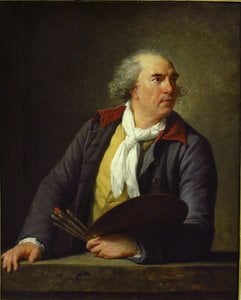
1733 - 1808 , Francuska
 Pregledaj u prostoru
 Pošalji
 Podeli
 Detalji o delu
 Vodič
Vodič

 Preuzmi
 Slični predmeti
 Rendgenski snimak
 Automatska prezentacija
 Pitanja i odgovori
 Statistika

 Pročitaj više


