Sell

Sell Your Art
x
PreviewPreview Naručite reprodukciju Naručite reprodukcijuKupi digitalnu sliku Kupi digitalnu sliku PošaljiPošalji
Detalji o deluDetalji o delu Dodaj u omiljene Dodaj u omiljene ПреузмиПреузми Slični predmetiSlični predmeti Rendgenski snimakRendgenski snimak SlajdoviSlajdovi

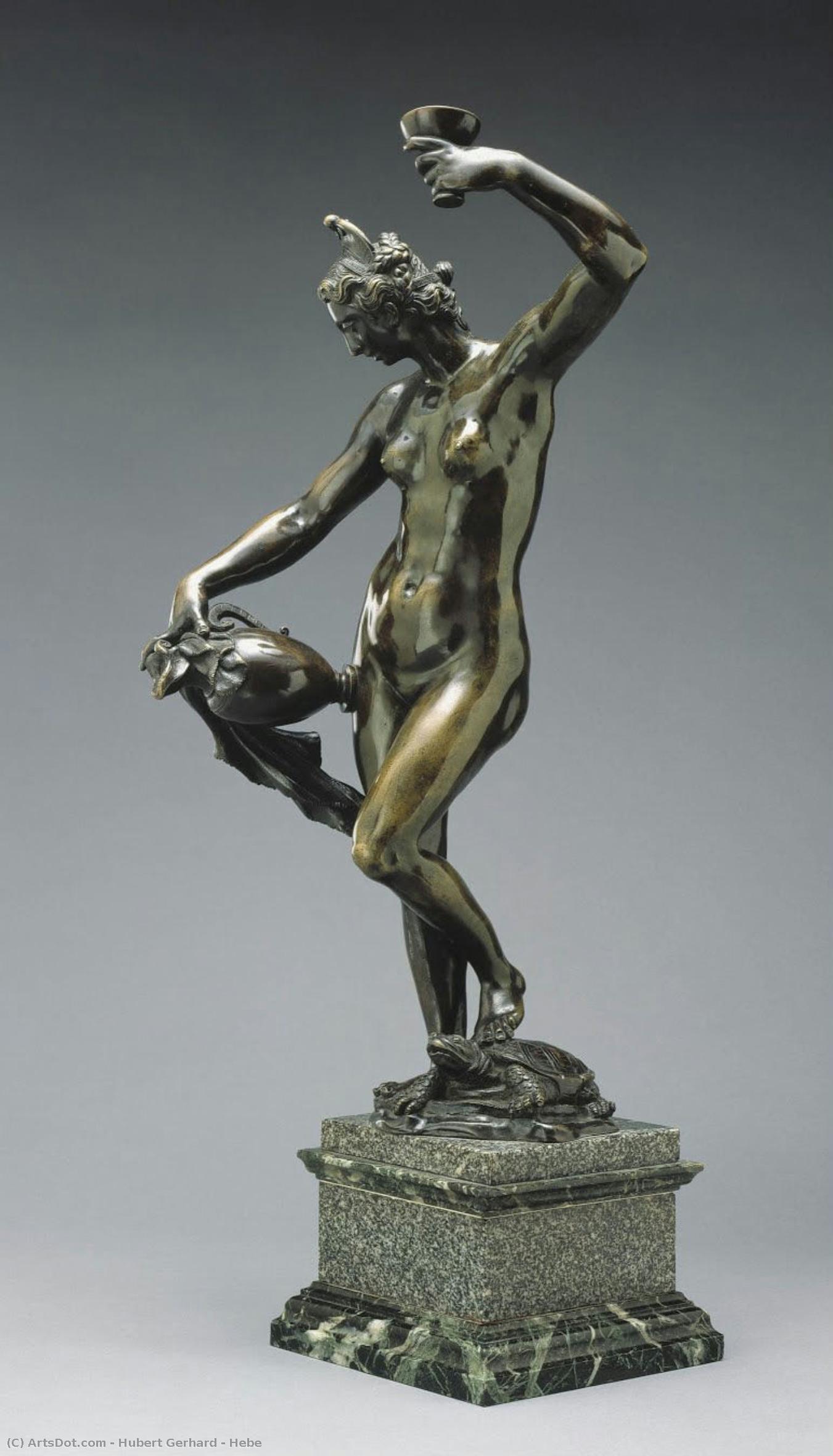
Hebe

Explore the intricate bronze sculptures of Hubert Gerhard, a 16th-century Dutch artist known for his mythological themes & Mannerist style in Augsburg & Munich.

Giclee štampa / Umetnički otisak

Giclée štampa ili print na platnu muzejskog kvaliteta uz brzu proizvodnju i fleksibilne opcije završne obrade.

Standard
custom
CM
INCH

Izaberite jednu od naših unapred definisanih veličina koje odgovaraju originalnim proporcijama umetničkog dela.

širina
visina

Možete uneti sopstvene dimenzije kako biste umetničko delo prilagodili specifičnom okviru ili prostoru. Ako odabrani format ne odgovara proporcijama originalne slike, mi ćemo ili iscrtati deo dela ili proširiti sliku pomoću ogledane ivice ili jednobojnog popunjavanja. Digitalni prikaz će vam biti poslat na odobrenje pre početka proizvodnje.
Imajte na umu da pregled na ekranu ne odražava stvarno iscrtavanje ili proširivanje. Samo će prikaz (mockup) precizno pokazati finalnu kompoziciju.
Iako su prilagođene dimenzije dostupne, preporučujemo da odaberete dimenziju sa unapred definisane liste kako biste očuvali originalne proporcije.

Dostava širom sveta () za 2 nedelje umesto uobičajenih 4/5 nedelja. (26 јул)

why_choose_icon
Besplatna ekspresna dostava širom sveta
why_choose_icon
Visokokvalitetno laneno platno
why_choose_icon
Kompletno osiguranje transporta
why_choose_icon
Garancija povraćaja carine i uvoznih dažbina
why_choose_icon
Garancija vernosti boja
why_choose_icon
Politika povrata u roku od 60 dana (samo u slučaju nedostataka)
why_choose_icon
Garancija povrata novca od 100%
why_choose_icon
Popust pri grupnoj kupovini

Ukupna cena

-

reproduction

Hebe

Giclee štampa / Umetnički otisak

Dimenzije reprodukcije

-

Konačna cena

-


Biografija umetnika

The Bronze Legacy of Hubert Gerhard

In the swirling currents of the late sixteenth century, a period defined by both profound religious upheaval and a vibrant intellectual rebirth, the sculptor Hubert Gerhard emerged as a master of form and metal. Born around 1545 in Den Bosch, Netherlands, Gerhard’s life was shaped by the turbulent winds of the Reformation, yet his artistic spirit found its true north in the sophisticated workshops of Italy. His journey from the Low Countries to the heart of Europe represents more than just a personal migration; it reflects the broader movement of Northern Mannerism, where the technical precision of the North met the dramatic, elongated elegance of the Italian Renaissance.

The defining chapter of Gerhard’s formative years was undoubtedly his time in Florence. There, he entered the orbit of the legendary Giambologna, a master whose influence acted as the cornerstone of Gerhard's sculptural language. Under this tutelage, Gerhard moved beyond mere anatomical representation to embrace the complexities of Mannerist aesthetics. He learned to manipulate bronze not just as a rigid medium, but as a fluid substance capable of capturing psychological tension, spiraling movement, and the delicate play of light across expressive drapery. This training instilled in him a lifelong devotion to the figura serpentinata—the serpentine pose that breathes life and dynamic energy into static metal.

A Career of Patronage and Monumental Vision

As Gerhard’s reputation ascended, so too did the scale of his ambitions. His career was marked by a remarkable ability to secure the favor of Europe's most powerful dynasties, moving between the commercial hubs of Augsburg and the ducal courts of Munich. Around 1580, the legendary Fugger banking family in Augsburg provided the essential patronage that allowed Gerhard to realize some of his most enduring civic contributions. His work on the Augustus Fountain stands as a testament to this era of grandeur. In collaboration with architects, he breathed life into the city's landscape through colossal bronze figures representing the mighty rivers: the Rhine, Danube, Lech, and Isar.

These monumental works were far more than mere decorations; they were profound statements of civic identity and humanistic pride. Through these river gods, Gerhard utilized the language of classical mythology to celebrate the natural abundance and political stability of the region. His mastery of bronze casting allowed him to achieve a level of detail that made the heavy metal appear almost weightless, capturing the muscularity of the deities alongside the subtle ripples of water, effectively bridging the gap between the earthly and the divine.

The Munich Years and Artistic Maturity

In 1584, Gerhard relocated to Munich, a move that would define his later years and cement his status within the Habsburg sphere of influence. Under the patronage of Wilhelm V, Duke of Bavaria, Gerhard found a fertile environment for exploring mythological and allegorical themes. His work in Munich reached a pinnacle of sophistication, characterized by an intimate command over smaller-scale bronzes that possessed as much emotional gravity as his larger public monuments. Works such as Hebe, Venus and Mars with Cupid, and various allegories of Bavarian strength showcase his ability to weave complex narratives into singular, captivating figures.

The significance of Gerhard’s oeuvre lies in its seamless synthesis of diverse cultural currents. He was an artist who could navigate the transition from the intense, often unsettling energy of Mannerism to the more balanced, majestic requirements of late Renaissance classicism. His legacy is etched into the very fabric of European cities, preserved in the enduring luster of his bronze masterpieces. Even centuries later, the works of Hubert Gerhard continue to command respect, serving as a window into an era where sculpture was used to capture the eternal dance between myth, power, and the human soul.

Hubert Gerhard

Hubert Gerhard

1545 - 1620 , Netherlands

Osnovne informacije

  • Artistic Movement Or Style: Mannerist
  • Artists Or Movements Influenced By This Artist: ['Northern Mannerism']
  • Artists Who Influenced This Artist: ['Giambologna']
  • Date Of Birth: ca. 1550
  • Date Of Death: 1620
  • Full Name: Hubert Gerhard
  • Nationality: Dutch
  • Notable Artworks:
    • Augustus Fountain
    • Hebe
    • Venus and Mars with Cupid
  • Place Of Birth: Den Bosch, Netherlands