BESPLATNA KONSULTACIJA SA STRUČNJAKOM ZA UMETNOST

x
Kupi štampu Kupi štampuNaručite reprodukciju Naručite reprodukciju PošaljiPošalji
DetaljiDetalji Dodaj u omiljene Dodaj u omiljene ПреузмиПреузми Slični predmetiSlični predmeti Rendgenski snimakRendgenski snimak SlajdoviSlajdovi

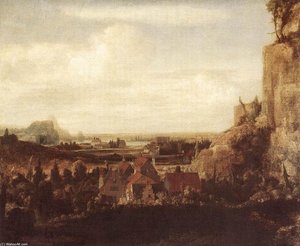
Two Trees

Explore Hercules Seghers' masterpiece 'Two Trees,' a stunning baroque etching depicting two majestic trees against a serene blue sky, housed at the Rijksmuseum in Amsterdam.

Discover Hercules Seghers (1590-1638), the Dutch Golden Age painter & printmaker! Explore his innovative landscapes, experimental techniques & unique artistic vision.

Kupite digitalnu sliku visoke rezolucije i poboljšanog kvaliteta, koja je znatno superiornija od onoga što vidite u online prikazu.

Svaka datoteka je pedantno pripremljena od strane naših stručnjaka koristeći napredne alate i profesionalnu ručnu retušu. Osiguravamo da svaka slika ima izuzetnu oštrinu, preciznu reprodukciju boja i fine detalje.

Konačna datoteka se dostavlja putem e-pošte u roku od 72 sata, optimizovana za neposrednu upotrebu u profesionalnim, izdavačkim i štamparskim okruženjima. To je isti kvalitet kojem veruju vrhunski studiji dizajna, izdavači i galerije.

Digitalna slika

Preuzmite datoteku visoke rezolucije za ličnu upotrebu, štampanje i kreativne projekte.

Ukupna cena

$9.99

Uključeno uz svaku porudžbinu digitalne slike

Profesionalna digitalna isporuka, zagarantovana

Kada odaberete WahooArt.com, ne dobijate samo sliku – vi primate profesionalno unapređeno digitalno umetničko delo, izrađeno sa najvećom preciznošću i uz garanciju zadovoljstva. Evo svega što automatski dolazi uz vašu porudžbinu:

shipping_icon
Brza dostava putem e-pošte

Vaša digitalna slika visoke rezolucije biće vam poslata putem e-pošte u roku od 72 sata od poručivanja – spremna za trenutnu upotrebu.

canvas_icon
Digitalna datoteka unapređena veštačkom inteligencijom

Vaše umetničko delo je profesionalno optimizovano korišćenjem naprednih AI alata i ručne obrade, čime se osiguravaju maksimalni detalji, oštrina i preciznost boja.

insurance_icon
Besplatna ponovna isporuka doživotno

Slučajno ste obrisali ili izgubili svoju datoteku? Ne brinite – poslaćemo vam je ponovo u bilo kom trenutku, potpuno besplatno.

tax_icon
Bez troškova uvoza – zauvek

Uživajte u svojim umetničkim delima trenutno, bez carine, dažbina ili troškova dostave – digitalni download je uvek bez poreza.

color_icon
Garancija vernosti boja

Uz pomoć profesionalnih alata i upravljanja bojama, osiguravamo da vaša digitalna slika što vernije odražava originalne boje.

return_icon
Garancija zadovoljstva u roku od 60 dana

Ako niste zadovoljni svojom digitalnom slikom, revidirat ćemo je ili vratiti 100% novca u roku od 60 dana – bez ikakvih pitanja.

guarantee_icon
100% garancija povrata novca

Niste zadovoljni? Obezbedite pun povrat novca u roku od 60 dana od trenutka kada ste primili svoju digitalnu datoteku – bez suvišnih pitanja.

discount_icon
Popusti na velike porudžbine

Kupite 3 slike, uštedite 10% - Kupite 5 slika, uštedite 15% - Kupite 10+ slika, uštedite 20%. Odlično za kreativne projekte, galerije i agencije.

Osnovne informacije

  • Location: Rijksmuseum, Amsterdam
  • Artistic style: Landscape
  • Year: 1625
  • Subject or theme: Trees and Woods
  • Dimensions: 155 x 173 cm
  • Movement: Baroque
  • Notable elements or techniques: Innovative printmaking

Kviz o umetnosti

Svako pitanje ima samo jedan tačan odgovor.

Pitanje 1:
What artistic movement is Hercules Seghers’s ‘Two Trees’ associated with?
Pitanje 2:
Where is the painting 'Two Trees' currently housed?
Pitanje 3:
What technique did Hercules Seghers primarily employ in creating this artwork?
Pitanje 4:
The etching 'Two Trees' exemplifies a characteristic feature of landscape painting during the Golden Age of Dutch Art. What is that feature?
Pitanje 5:
Who was Hercules Seghers’s influential teacher in landscape painting?

Opis kolekcionarskog dela

Hercules Seghers’ Two Trees: A Vision of Tranquility Amidst Alpine Majesty

Hercules Pieterszoon Seghers (1590 – c. 1638) stands as a singular figure in the Dutch Golden Age landscape tradition, celebrated for his audacious experimentation with printmaking and his ability to capture the sublime beauty of mountainous vistas. “Two Trees,” created around 1625, exemplifies this distinctive approach—a masterful etching that transcends mere depiction to convey an atmosphere of profound serenity and spiritual contemplation.

The artwork presents a meticulously rendered scene featuring two trees positioned prominently in the center of the composition. One tree is mature and robust, its branches laden with dense foliage, while the other is younger, displaying delicate twigs emerging from the trunk—a subtle gesture hinting at regeneration and resilience. The trees are set against a backdrop of towering alpine peaks bathed in soft, diffused light, creating an illusion of depth that draws the viewer’s eye upwards into the expansive sky.

Seghers' technique is remarkable for its departure from conventional methods. Unlike many artists of his time who relied solely on black ink to achieve tonal effects, Seghers skillfully employed a combination of etching and aquatint—a process involving multiple plates inked with varying degrees of opacity—to produce nuanced gradations of color. The use of azurite and precipitated yellow lake pigments lends the image an ethereal quality, capturing the subtle hues of twilight and enhancing the overall impression of grandeur.

The etching’s historical context is crucial to understanding its significance. Produced during a period marked by intellectual ferment and artistic innovation—the Baroque era—“Two Trees” reflects the burgeoning interest in exploring themes of spirituality and contemplation within the natural world. Seghers' inspiration drew heavily from Flemish landscape painters like Abraham van Ouhibbee, who had pioneered the depiction of dramatic mountainscapes infused with religious symbolism.

More than just a visual representation of scenery, “Two Trees” embodies a philosophical stance rooted in humanist ideals. The tree imagery—particularly the young sapling—represents hope and renewal, mirroring the broader humanist preoccupation with the cyclical nature of life and the enduring power of beauty to uplift the human spirit. Its placement against the majestic Alps underscores the grandeur of God’s creation and invites viewers to contemplate the sublime.

Currently housed at the Rijksmuseum in Amsterdam, “Two Trees” remains a testament to Seghers' artistic genius—a timeless masterpiece that continues to inspire admiration for its technical virtuosity and emotional resonance. It serves as an enduring reminder of the Dutch Golden Age’s fascination with capturing the sublime beauty of nature and conveying profound spiritual truths.


Biografija umetnika

Hercules Seghers: A Life in Landscape and Print

  • Born: Haarlem, Netherlands (c. 1590)
  • Died: c. 1638

Early Life and Training

  • Hercules Pieterszoon Seghers was born in Haarlem, the son of a Mennonite cloth merchant originally from Flanders.
  • In 1596, his family moved to Amsterdam.
  • He was apprenticed to Gillis van Coninxloo, a leading Flemish landscapist, but this apprenticeship was cut short by Coninxloo's death in 1606. Seghers and his father acquired several of Coninxloo’s works after the artist passed away.
  • Following his father's death in 1612, he returned to Haarlem and joined the Haarlem Guild of St. Luke.

Artistic Development and Style

  • Seghers is recognized as "the most inspired, experimental and original landscapist" of his period, particularly noted for his innovative printmaking techniques.
  • His paintings often feature fantastic mountainous compositions with a wide horizontal view, emphasizing earth over sky.
  • He experimented extensively with etching, using drypoint, aquatint (including the "sugar-bite" technique), and other methods to create unique textural effects.
  • Seghers’s prints are characterized by their use of colored paper or cloth, colored inks, and hand-coloring, often resulting in miniature paintings.
  • His style shows influence from earlier artists like Joos de Momper and Gillis van Coninxloo.

Major Achievements and Innovations

  • Innovative Printmaking: Seghers’s most significant contribution lies in his experimental printmaking techniques, particularly the sugar-bite aquatint. This technique was later rediscovered in England.
  • Unique Landscapes: His landscapes are characterized by their starkness, originality, and often otherworldly quality. He depicted rocky formations resembling alien terrain.
  • Influence on Rembrandt: Rembrandt collected Seghers’s works and reworked elements from his paintings and etchings into his own compositions, demonstrating the significant impact of Seghers' style.
  • Diverse Impressions: Unlike many printmakers of his time, Seghers produced multiple impressions of each plate, varying their color schemes and adding hand-coloring to create unique artworks.

Historical Significance

  • Seghers’s work was highly regarded during his lifetime, though he faced financial difficulties later in life.
  • Samuel van Hoogstraten's *Inleyding tot de hooge schoole der schilderkonst* romanticized Seghers as a misunderstood genius, contributing to his posthumous reputation.
  • He is considered a pioneer of landscape printmaking and an important figure in the Dutch Golden Age, known for his experimental techniques and unique artistic vision.
  • His influence can be seen in later artists who adopted his innovative printing methods and appreciated his distinctive style.
Hercules Seghers

Hercules Seghers

1590 - 1638