


Ručno oslikano uljanim bojama na platnu u dimenzijama i okviru po vašem izboru, izrađeno po porudžbini od strane naših umetnika. ( Kupi print Kupi digitalnu sliku)





























Izaberite jednu od naših unapred definisanih veličina koje odgovaraju originalnim proporcijama umetničkog dela.

Можете унети сопствене димензије како бисте прилагодили дело одређеном оквиру или простору. Ако одабрана величина не одговара пропорцијама оригинала, слика ће бити исечена или проширена додатним елементима који се ручно насликавају. Дигитални prikaz ће вам бити послат на одобрење пре почетка производње.
Имајте на уму да преглед на екрану не одражава стварно исецање или проширење. Само приказ (mockup) ће тачно приказати коначну композицију.
Иако су доступне прилагођене величине, препоручујемо да одаберете димензију из дефинисане листе како бисте сачували оригиналне пропорције.
Isporuka širom sveta () za 3/4 nedelje umesto uobičajenih 5 nedelja. (6 септембар). Bez kompromisa po pitanju kvaliteta.


Hugh William Williams
Dimenzije reprodukcije
Henry Raeburn’s “Hugh William Williams,” painted circa 1818, is more than a simple portrait; it's a carefully constructed window into the heart of the Scottish Highlands and a testament to the artist’s mastery of capturing both likeness and atmosphere. The subject, Hugh William Williams, a prominent watercolourist known for his evocative depictions of the region, is presented in a three-quarter pose, seated within a richly detailed interior that subtly anchors him to a specific place and time. The painting immediately draws the eye with its restrained palette – primarily cool blues, greens, and browns – mirroring the muted tones of the landscape beyond the window, creating an immediate sense of tranquility and contemplative observation.
Raeburn’s technique is a remarkable blend of realism and impressionism. He employs a meticulous attention to detail, evident in the rendering of Williams' clothing – the texture of the fabric, the subtle folds, and the precise depiction of his watch chain—yet simultaneously utilizes loose brushstrokes and carefully placed highlights to evoke the diffused light filtering through the window. The artist masterfully manipulates chiaroscuro, employing strong contrasts between light and shadow to sculpt Williams’ face and hands, lending them a palpable sense of volume and presence. Notice particularly how Raeburn uses subtle gradations of tone to suggest the depth of the room – the receding wall, the shadowed corner—creating an illusion of spatial realism that belies the painting's relatively small scale.
To fully appreciate “Hugh William Williams,” it’s crucial to understand the artistic landscape of early 19th-century Scotland. Following in the footsteps of his predecessor, Sir Henry Raeburn, a Scottish Master of Realism, Williams was part of a burgeoning movement that sought to establish portraiture as a distinctly national art form. Raeburn's success paved the way for other Scottish artists to gain recognition within the Royal Academy and beyond. The painting reflects this shift—a move away from purely formal, aristocratic portraits towards a more intimate and character-driven approach, capturing not just outward appearance but also the personality and spirit of the subject. Williams himself was a significant figure in this movement, known for his own landscape paintings that celebrated the beauty and ruggedness of the Scottish Highlands.
Beyond its technical brilliance, “Hugh William Williams” is rich in subtle symbolism. The window itself serves as a crucial element, framing the scene and acting as a visual metaphor for contemplation and connection to nature. The books stacked on the table suggest Williams’ intellectual pursuits and his engagement with the wider world of art and knowledge. The overall mood of the painting—serene, thoughtful, and slightly melancholic—reflects the quiet dignity of the subject and evokes a sense of nostalgia for a bygone era. It's not merely a portrait; it’s an invitation to step into another time and place, to share in Williams’ contemplative gaze.
“Hugh William Williams” remains a captivating example of Henry Raeburn’s artistic vision and a poignant representation of Scottish identity. Reproductions of this iconic painting continue to resonate with viewers today, offering a glimpse into the beauty and spirit of the Highlands—a timeless testament to the power of art to capture both the physical landscape and the human soul.


1756 - 1823
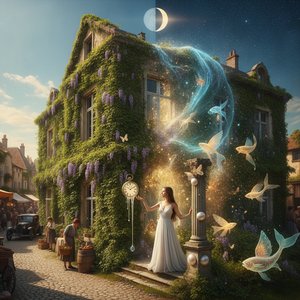
Explore the enigmatic world of Magic Realism. From its German origins to Latin American mastery, discover how this sophisticated movement blends reality with the extraordinary—perfect for discerning collectors seeking depth and wonder in fine art.

Transform your most cherished family memories into breathtaking oil masterpieces. Discover the elegance of bespoke, hand-painted portrait commissions, meticulously crafted by academy-trained artists to create a timeless legacy for your home and generations to come.

 Pregledaj u prostoru
 Pošalji
 Podeli
 Detalji o delu

 Преузми
 Slični predmeti
 Rendgenski snimak
 Slajdovi


 Pročitaj više







 Opcija sa staklom dostupna je samo za dimenzije manje od 110 cm


