Pregledaj u prostoru Isprobaj u AR-u Pređi na prodaju štampanih primeraka Naručite ručno oslikano reprodukciju Podeli
Detalji Vodič Dodaj u omiljene Preuzmi sliku Slični predmeti Rendgenski snimak Automatska prezentacija Statistika

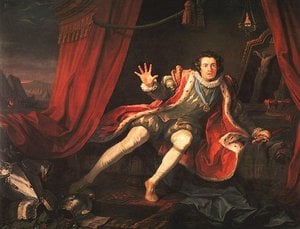
King Solomon in the Prison

Explore Henrik Weber's poignant oil painting 'King Solomon in the Prison,' depicting a contemplative monarch amidst austere surroundings and symbolizing wisdom through a book.

Henrik Weber (1818-1866): A key Hungarian Realist painter bridging Biedermeier & Romantic styles. Known for portraits, historical scenes & landscapes.

Kupite digitalnu sliku visoke rezolucije i poboljšanog kvaliteta, koja je znatno superiornija od onoga što vidite u online prikazu.

Svaka datoteka je pedantno pripremljena od strane naših stručnjaka koristeći napredne alate i profesionalnu ručnu retušu. Osiguravamo da svaka slika ima izuzetnu oštrinu, preciznu reprodukciju boja i fine detalje.

Konačna datoteka se dostavlja putem e-pošte u roku od 72 sata, optimizovana za neposrednu upotrebu u profesionalnim, izdavačkim i štamparskim okruženjima. To je isti kvalitet kojem veruju vrhunski studiji dizajna, izdavači i galerije.

Digitalna slika

Preuzmite datoteku visoke rezolucije za ličnu upotrebu, štampanje i kreativne projekte. ( Pređi na prodaju štampanih primeraka Naručite ručno oslikano reprodukciju)

Ukupna cena

$ 24,90

Uključeno uz svaku porudžbinu digitalne slike

Ekspertska digitalna isporuka, zagarantovana

Kada odaberete WahooArt.com, ne dobijate samo sliku – vi primate profesionalno unapređeno digitalno umetničko delo, izrađeno sa najvećom preciznošću i uz garanciju zadovoljstva. Evo svega što automatski dolazi uz vašu porudžbinu:

shipping_icon
Brza dostava putem e-pošte

Vaša digitalna slika visoke rezolucije biće vam poslata putem e-pošte u roku od 72 sata od poručivanja – spremna za trenutnu upotrebu.

canvas_icon
Digitalna datoteka unapređena veštačkom inteligencijom

Vaše umetničko delo je profesionalno optimizovano primenom naprednih AI alata i ručne obrade, čime se osiguravaju maksimalni detalji, oštrina i preciznost boja.

insurance_icon
Besplatna doživotna ponovna isporuka

Slučajno ste obrisali ili izgubili svoju datoteku? Ne brinite – poslaćemo vam je ponovo u bilo kom trenutku, potpuno besplatno.

tax_icon
Bez troškova uvoza – zauvek

Uživajte u svojim umetničkim delima trenutno, bez carine, akciza ili troškova dostave – digitalni download je uvek bez poreza.

color_icon
Garancija preciznosti boja

Uz pomoć profesionalnih alata i upravljanja bojama, osiguravamo da vaša digitalna slika što vernije odražava originalne boje.

return_icon
Garancija zadovoljstva u roku od 100 dana

Ako niste zadovoljni svojom digitalnom slikom, izvršićemo reviziju ili ćemo vam vratiti 100% novca u roku od 100 dana – bez ikakvih pitanja.

guarantee_icon
100% garancija povrata novca

Niste zadovoljni? Dobijte puni povraćaj novca u roku od 100 dana od prijema digitalne datoteke – bez suvišnih pitanja.

discount_icon
Popusti na velike porudžbine

Kupite 3 slike, uštedite 10% - Kupite 5 slika, uštedite 15% - Kupite 10+ slika, uštedite 20%. Odlično za kreativne projekte, galerije i agencije.

The captivating oil painting, King Solomon in the Prison, crafted by the skilled artist Henrik Weber in 1847, is a masterpiece that invites viewers to delve into its profound narrative. This artwork, measuring 35 x 49 cm, is currently housed at the Hungarian National Gallery in Budapest, Hungary. As a testament to the artist's skill, the painting showcases a blend of realism and emotional depth, drawing the observer into the contemplative world of King Solomon.

Composition and Symbolism

The composition of King Solomon in the Prison is characterized by its use of earth tones and subtle lighting, which creates a somber yet introspective atmosphere. The central figure, presumably King Solomon, is seated on a stone bench, engaged in what appears to be a moment of deep reflection. A book or manuscript lies before him, symbolizing his renowned wisdom. To his right, a vase or jar adds a touch of elegance to the otherwise austere setting. The artist's attention to detail and use of chiaroscuro enhance the emotional impact of the scene.

Artistic Significance

Henrik Weber's work, including King Solomon in the Prison, demonstrates a strong affinity for historical and biblical themes. This painting, along with others like Composer Mihály Mosonyi and his Wife, showcases the artist's ability to capture the essence of his subjects. For those interested in exploring more of Henrik Weber's oeuvre or similar works, visiting the painting page on WahooArt or learning about the Hungarian National Gallery can provide valuable insights.
  • The use of realistic techniques and muted colors contributes to the painting's somber mood.
  • The inclusion of a book or manuscript highlights King Solomon's wisdom and intellectual pursuits.
  • The setting, presumably a prison cell, contrasts with the figure's dignified demeanor, suggesting a narrative of resilience or contemplation.
Handmade oil painting reproductions of King Solomon in the Prison can be found on WahooArt, offering art enthusiasts an opportunity to own a piece of history. By exploring the works of Henrik Weber and other artists featured on WahooArt, one can gain a deeper appreciation for the world of art and its ability to convey profound messages and emotions.
The allure of King Solomon in the Prison lies not only in its historical significance but also in its capacity to evoke reflection and contemplation, making it a truly captivating piece of art.

Biografija umetnika

A Hungarian Voice in the Currents of Realism

Henrik Weber, born in Pest on May 24th, 1818, emerged as a pivotal figure in 19th-century Hungarian art—a painter who skillfully bridged the delicate sensibilities of the Biedermeier period with the burgeoning force of Realism. His life story is one of artistic dedication, navigating shifting aesthetic tides and contributing significantly to the development of a distinctly Hungarian national identity through his work. Initially steered toward a scientific path by his merchant father, Mihaly Wéber, young Henrik’s innate passion for drawing proved irresistible. Sketchbooks filled with imaginative figures revealed a talent that could not be suppressed, leading his father to arrange lessons with János Tóbiás Kärgling, a local artist who recognized and nurtured the boy's potential.

Weber’s formal artistic education began in 1835 at the Academy of Fine Arts Vienna. There, he came under the influence of Johann Ender and Leopold Kupelwieser, instructors who subtly guided him away from rigid academic conventions toward a more truthful representation of the world—a nascent embrace of Realism. To support his studies, Weber supplemented his income through teaching art lessons and working as a lithographer, demonstrating an early entrepreneurial spirit alongside his artistic pursuits. His talent quickly gained recognition, establishing him as a sought-after portrait painter in Vienna during the late 1830s. However, this success was not to define his entire career.

From Portraits to Historical Narratives

As demand for portraits waned in Vienna around 1840, Weber made the strategic decision to relocate to Munich. This move marked a turning point in his artistic focus. Facing continued challenges in establishing himself, he began exploring historical themes, specifically scenes drawn from Hungarian history. The Death of John Hunyadi, one such work, proved remarkably successful and solidified Weber’s reputation as a prominent figure in Hungarian historical painting. This shift wasn't merely a change in subject matter; it was an assertion of national pride and artistic identity at a time when Hungary was experiencing growing nationalist sentiment.

From 1845 to 1847, Weber embarked on a journey through Italy, immersing himself in the landscapes and observing everyday life. This period yielded genre works depicting peasant life alongside evocative landscapes, revealing an artist keenly attuned to the beauty of the natural world and the dignity of ordinary people. Yet, despite the inspiration offered by Italian art and scenery, Weber found himself increasingly homesick. He returned to Pest in 1847, resuming portraiture while continuing to explore landscape and historical painting.

A Legacy Forged Through Perseverance

Life back in Hungary wasn’t without its struggles. Despite his undeniable talent, consistent commissions proved elusive. Weber supported himself through lithography for local magazines—a testament to his versatility—and continued offering art lessons. This period highlights the precarious existence of many artists during the 19th century, reliant on a fluctuating market and often forced to diversify their skills to survive. He continued working diligently in Pest until his death on May 14th, 1866.

Weber’s artistic style is characterized by its blend of Biedermeier precision with the emerging tenets of Realism. He prioritized accurate representation and a focus on everyday life, influenced significantly by Ender and Kupelwieser in Vienna, as well as Michelangelo Grigoletti during his Italian sojourn. His influence extended beyond his own creations; he mentored younger artists, most notably Károly Lotz, shaping the next generation of Hungarian painters.

Pioneering a National Artistic Voice

Henrik Weber’s historical significance lies in his pioneering role in establishing Realism as a major force within Hungarian art. His paintings weren't simply depictions of events; they were powerful statements contributing to the development of national artistic identity during a period of intense political and cultural change. The Hungarian National Gallery preserves numerous examples of his work, recognizing him as a master of Biedermeier painting and an essential figure in 19th-century Hungarian art. Furthermore, his lithographs documenting historical events for “Az Ország Tükre” (“The Mirror of the Country”) remain historically valuable, offering visual records of a pivotal era.

Weber’s legacy is one of artistic integrity and dedication to portraying the world as he saw it—a world imbued with both beauty and truth. He stands as a testament to the power of art to reflect and shape national identity, leaving an indelible mark on the cultural landscape of Hungary.

Henrik Weber

Henrik Weber

1818 - 1866 , Hungary

Osnovne informacije

  • Artistic Movement Or Style: Realism, Biedermeier
  • Artists Or Movements Influenced By This Artist: ['Károly Lotz']
  • Artists Who Influenced This Artist:
    • Johann Ender
    • Leopold Kupelwieser
    • Michelangelo Grigoletti
  • Date Of Birth: May 24, 1818
  • Date Of Death: May 14, 1866
  • Full Name: Henrik Weber
  • Nationality: Hungarian
  • Notable Artworks:
    • The Death of John Hunyadi
    • King Solomon in Prison
    • Tyroler Batthyany GOVERNMENT
    • The Weber Family
  • Place Of Birth: Pest, Hungary