

Giclée štampa ili print na platnu muzejskog kvaliteta uz brzu izradu i raznovrsne opcije završne obrade. ( Kupite ručno oslikano delo Pređi na digitalnu sliku)





























Izaberite jednu od naših unapred definisanih veličina koje odgovaraju originalnim proporcijama umetničkog dela.

Unesite željenu širinu i visinu kako bi se štampa uklopila u vaš ram ili zid. Štampu je moguće samo iseći, ali nikada povećati iznad dimenzija originalne slike, stoga format sa drugačijim proporcijama uzrokuje gubitak dela slike. Pre početka štampe, poslaćemo vam digitalni prikaz radi potvrde. Slika prikazana na ovoj stranici ne predstavlja stvarni isrez — to pokazuje samo digitalni prikaz.
Dostava širom sveta () za 2 nedelje umesto uobičajenih 4/5 nedelja. (9 новембар)
untitled (98)
Dimenzije reprodukcije
The painting, simply titled “untitled (98),” offers a glimpse into Henri Matisse's masterful exploration of color and form—a deceptively serene portrait that speaks volumes about the artist’s artistic philosophy. Executed sometime between 1947 and 1950 during his prolific Parisian period, this work exemplifies Matisse’s signature style: bold, simplified shapes rendered in vibrant hues against a muted backdrop. It is not merely a depiction of a woman seated comfortably; it is an embodiment of Matisse’s belief that color alone could convey emotion and create a palpable atmosphere. The scene presents a portrait of a woman sitting in a chair with her head resting on her arm, appearing deeply relaxed or perhaps even lost in sleep. Nearby, a dining table holds various items such as cups and vases, while books are scattered throughout the room, some near the woman and others further away. The presence of two cats—one close to the woman and another tucked further back—adds an element of domestic warmth and companionship, reinforcing the painting's overarching theme of serenity.
Matisse’s technique in this period is characterized by his pioneering “cut-out” painting method. Rather than meticulously blending pigments on canvas, he painstakingly cut shapes from colored paper or cardboard, gluing them onto a white surface to achieve an astonishing luminosity and textural richness. This approach deliberately rejects illusionistic realism, prioritizing expressive color over accurate representation. The dominant shades—warm yellows, oranges, and reds—contrast sharply with the cool blues and greens of the room setting, creating a visual dialogue that draws the eye inward. Notice how Matisse uses overlapping planes of color to suggest depth without resorting to traditional perspective; it is an ingenious device that reinforces the painting's feeling of stillness.
Beyond its formal qualities, “untitled (98)” is laden with symbolic significance. The woman seated in her chair represents domestic tranquility—a refuge from the anxieties of the outside world. Her posture, with her head resting on her arm, suggests vulnerability and acceptance. The surrounding objects—the cups, vases, and books—contribute to an atmosphere of erudition and contemplation, suggesting a life of quiet intellectual pursuit. This painting emerged during a period marked by significant artistic upheaval in the aftermath of World War II. While many of his contemporaries sought to grapple with existential anxieties through dramatic gestures, Matisse opted for a quieter response: a celebration of beauty and harmony amidst the turmoil of the time. This deliberate choice reflects his humanist conviction that art could offer solace and inspiration, reminding viewers of the enduring power of joy.
Ultimately, this artwork succeeds as a powerfully emotive piece. Its luminous color palette evokes feelings of warmth, comfort, and optimism—a welcome antidote to the darkness of wartime Europe. The painting’s deliberate lack of detail invites viewers to focus on the interplay of color and form, prompting introspection and fostering a sense of calm contemplation. For the collector or interior designer, this work serves as more than just a visual element; it is a balm for the soul. It is a testament to Matisse’s ability to distill complex emotions into deceptively simple visual elements, leaving an indelible impression on anyone who encounters it—a reminder that true beauty resides not in grand spectacle but in quiet grace.
U okviru celokupnog stvaralaštva umetnika Анри Матис, delo "untitled (98)" pripada stilu fauve, uz prisustvo tema kao što su color exploration, domestic tranquility, symbolic presence, matisse style.
Serene atmosfera dela „untitled (98)”, autor Анри Матис savršeno odgovara preporučenom prostoru: Living Room.
Istorijski gledano, "untitled (98)" je fauve delo šire ere Modern.

1869 - 1954 , Francuska

Find serenity with 10 calming masterpieces by Monet, Van Gogh & more. Explore art history, color palettes & emotional impact. Museum-quality reproductions for peaceful home decor at . Discover all masterpieces on !
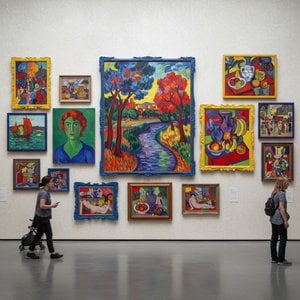
Otkrijte 10 remek dela fovizma – umetnosti boja i emocija! Istražite radove Matisa, Deraina i Vlamincka. Naučite o ekspresionizmu i modernoj umetnosti. Pronađite inspiraciju za svoj enterijer na WahooArt.com!
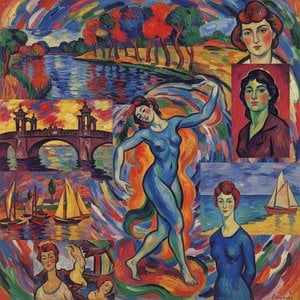
Explore 10 Fauvist masterpieces by Matisse, Derain & Vlaminck that ignited Modern Art! Discover bold colors, expressionist landscapes & the history of this revolutionary movement. Find museum-quality prints at WahooArt.com.

Uronite u svet Henri Matissea! Istražite 25 remek-dela Fauvizma i moderne umetnosti. Otkrijte priče iza slika, tehnike i inspiraciju slavnog francuskog slikara. Reprodukcije vrhunskog kvaliteta dostupne na WahooArt.com.

Otkrijte 25 remek-dela Hermitaža u Sankt Peterburgu! Istražite priče Rembrandta, Leonarda i drugih majstora. Inspiracija za dekoraciju enterijera & reprodukcije slika vrhunskog kvaliteta na WahooArt.com.
 Pregledaj u prostoru
 Pošalji
 Podeli
 Detalji o delu
 Vodič
Vodič

 Preuzmi
 Slični predmeti
 Rendgenski snimak
 Automatska prezentacija
 Pitanja i odgovori
 Statistika

 Pročitaj više









 Opcija sa staklom dostupna je samo za dimenzije manje od 110 cm


