


Giclée štampa ili print na platnu muzejskog kvaliteta uz brzu proizvodnju i fleksibilne opcije završne obrade. ( Kupi ručno naslikanu sliku Kupi digitalnu sliku)





























Izaberite jednu od naših unapred definisanih veličina koje odgovaraju originalnim proporcijama umetničkog dela.

Možete uneti sopstvene dimenzije kako biste umetničko delo prilagodili specifičnom okviru ili prostoru. Ako odabrani format ne odgovara proporcijama originalne slike, mi ćemo ili iscrtati deo dela ili proširiti sliku pomoću ogledane ivice ili jednobojnog popunjavanja. Digitalni prikaz će vam biti poslat na odobrenje pre početka proizvodnje.
Imajte na umu da pregled na ekranu ne odražava stvarno iscrtavanje ili proširivanje. Samo će prikaz (mockup) precizno pokazati finalnu kompoziciju.
Iako su prilagođene dimenzije dostupne, preporučujemo da odaberete dimenziju sa unapred definisane liste kako biste očuvali originalne proporcije.
Dostava širom sveta () za 2 nedelje umesto uobičajenih 4/5 nedelja. (6 септембар)


not identified (20)
Dimenzije reprodukcije
In the vast, vibrant tapestry of Henri Matisse’s oeuvre, certain works act as quiet anchors, offering a moment of profound stillness amidst the swirling colors of the Fauvist revolution. “Not Identified” (1920) is precisely such a masterpiece. It presents a deceptively simple scene: a doorway that serves not merely as an architectural element, but as a threshold between the known and the infinite. Through this frame, we glimpse a luminous window bathed in diffused daylight, where the sky peeks through like a whispered promise. The composition is anchored by a sense of domestic tranquility, featuring a solitary chair and the subtle presence of a figure that seems caught in a moment of quiet observation. It is an invitation to pause, to breathe, and to look through the lens of Matisse’s unique, emotive vision.
The painting captures a delicate balance between interior intimacy and exterior vastness. The doorway, with its clean white frame, acts as a visual stabilizer, directing the viewer's gaze upward toward the heavens. There is a rhythmic harmony in the arrangement—the placement of the chair, the empty cabinet above the door, and the soft interplay of light—that suggests a carefully orchestrated stage for human experience. For the collector or interior designer, this piece offers a sophisticated focal point that brings a sense of airy openness and contemplative peace to any space, acting as a "window" that expands the perceived boundaries of a room.
To understand this work is to understand Matisse’s revolutionary departure from academic realism. Moving away from the heavy shadows and meticulous anatomical precision of his predecessors, Matisse embraced a palette that prioritized expressive force over literal representation. In “Not Identified,” we encounter a masterful orchestration of earthy tones—warm ochre, soft beige, and muted pale greens. These colors are not merely descriptive; they are atmospheric. They work in concert with the brilliant, light-filled backdrop of the window to create a sense of depth through temperature and tone rather than traditional shading.
The technique reflects the artist's transition toward a more streamlined, decorative elegance. The flatness of the forms emphasizes the intrinsic beauty of the pigments themselves, a hallmark of the Fauvist spirit where color is liberated from its duty to mimic reality. This stylistic choice creates a surface that is both modern and timeless. For those seeking a high-quality reproduction, this emphasis on color and clean lines ensures that the artwork retains its striking impact, whether placed in a contemporary minimalist setting or a classic, richly textured interior.
Beyond the technical brilliance lies the emotional soul of the piece. Matisse’s journey—from an aspiring lawyer to a pioneer of modern art—was fueled by a desire to capture the essence of joy and serenity. “Not Identified” embodies this pursuit. It does not demand attention through shock or chaos; instead, it earns it through a gentle, persistent beauty. The painting evokes a sense of nostalgia and longing, reminding us of those quiet afternoons spent watching the light shift across a room, lost in thought.
Owning a piece that echoes Matisse’s vision is an opportunity to surround oneself with the philosophy of l'art pour l'art—art for art's sake. It is a celebration of the beauty found in simplicity and the profound emotional weight of a single, well-placed color. As a reproduction, this work serves as more than mere decoration; it is an atmospheric element that invites introspection, making it an invaluable acquisition for anyone looking to infuse their environment with culture, history, and a sense of transcendent calm.

1869 - 1954 , Francuska
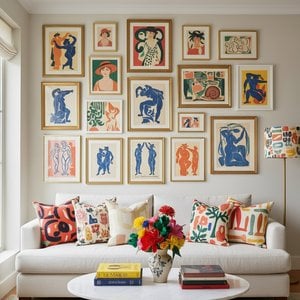
Uronite u svet Henri Matissea! Istražite 25 remek-dela Fauvizma i moderne umetnosti. Otkrijte priče iza slika, tehnike i inspiraciju slavnog francuskog slikara. Reprodukcije vrhunskog kvaliteta dostupne na WahooArt.com.
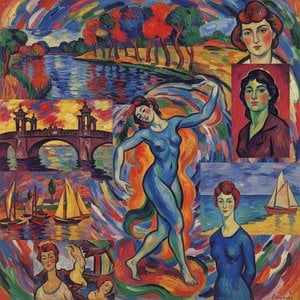
Explore 10 Fauvist masterpieces by Matisse, Derain & Vlaminck that ignited Modern Art! Discover bold colors, expressionist landscapes & the history of this revolutionary movement. Find museum-quality prints at WahooArt.com.
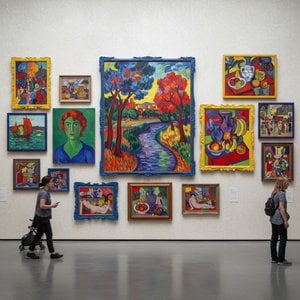
Otkrijte 10 remek dela fovizma – umetnosti boja i emocija! Istražite radove Matisa, Deraina i Vlamincka. Naučite o ekspresionizmu i modernoj umetnosti. Pronađite inspiraciju za svoj enterijer na WahooArt.com!
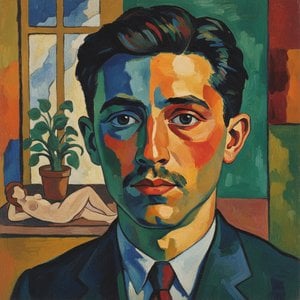
Explore the revolutionary art of Henri Matisse! Discover his bold use of color, Fauvist origins, and lasting impact on modern painting. A comprehensive guide for art enthusiasts.

Explore the revolutionary Fauvism movement & Henri Matisse's bold use of color! Discover key characteristics, iconic artworks, and its lasting impact on modern art history with WahooArt.

 Pregledaj u prostoru
 Pošalji
 Podeli
 Detalji o delu

 Преузми
 Slični predmeti
 Rendgenski snimak
 Slajdovi

 Pročitaj više







 Opcija sa staklom dostupna je samo za dimenzije manje od 110 cm


