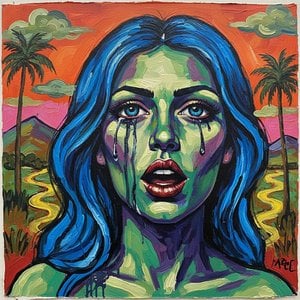
Život Uronut u Boju: Svet Enrija Matisa
Enri Emil Benoît Matis, rođen 31. decembra 1869. godine u malom severnom francuskom gradu Le Cateau-Cambrésis, nije bio namenjen životu ispunjenom pigmentima i formama. Nakon srednje škole prvobitno je studirao pravo u Parizu, ali mu se put dramatično promenio nakon napada slepog creva 1889. godine. Tokom oporavka otkrio je latetnu strast koja je planula jednostavnim činom slikanja uz pomoć seta umetničkih materijala koje mu je poklonila majka. To nije bila samo razonoda; to je bilo otkriće – prekretnica koja ga je odjurila od pravnih dokumenata prema svetu u kojem bi boja postala njegov jezik, a platno njegovo carstvo. Odrastajući u Bohain-en-Vermandois, kao sin trgovaca žitom, Matis se na početku činilo da je malo verovatno da će prihvatiti boemski život umetnika, ali seme je bilo posejano, negovano oporavkom i procvetalo u celoživotnu posvećenost. Upisao je Akademiju Žulijan, a zatim École Nationale des Beaux-Arts, gde je učio kod Vilima-Adolfa Bugroea i Gustava Moreaua, usvajajući klasične tehnike koje će poslužiti kao temelj za njegove buduće inovacije. Rani radovi odražavali su ovu akademsku obuku, pokazujući veštinu, ali bez prepoznatljivog glasa koji bi uskoro definisao njega.
Zora Fauvizma i Smele Eksperimentacije
Ključni trenutak nastupio je 1896. godine tokom posete Belle Île sa australijskim slikarom Džonom Raselom. Ovaj susret se pokazao transformativnim. Rasel ga je upoznao sa živopisnim svetom impresionizma, a još važnije, sa emotivno nabijenim platnima Vinsenta van Goga. Uticaj je bio dubok. Ekspresivna upotreba boje Van Goga razbila je Matisovu dotadašnju ograničenu paletu, podstičući ga na hrabriji, subjektivniji pristup. Počeo je da se odmiče od zemljanih tonova, prihvatajući nijanse koje rezoniraju sa emocijama, a ne sa strogim prikazom. Ovo istraživanje kulminiralo je pojavom fauvizma oko 1905. godine – pokreta u kojem je Matis postao vodeća figura. Sam naziv, što znači „divlje zvijeri“, prvobitno je bio podrugljiv, dodeljen grupi zbog šokantno živopisnih i nestvarnih slika izloženih na Salonu d’Automne.
Matis, zajedno sa umetnicima kao što su Andre Deren i Moris de Vlaminck, zagovarao je intenzivnu boju kao samostalan element ekspresije, pojednostavljujući oblike kako bi pojačao njen uticaj. Slike poput
The Gourds (1905) ilustruju ovaj stil – jurnjava crvenih, zelenih i žutih boja primenjenih sa slobodom koja je ignorisala tradicionalnu perspektivu i mimetiku. Ključne karakteristike uključivale su intenzivno zasićene palete, pojednostavljene oblike, ekspresivne poteze kista i nameran odlazak od konvencionalnog predstavljanja u korist emocionalne rezonancije.
Raširivanje i Dekorativna Harmonija
Nakon prvog žara fauvizma, Matisov stil je prošao kroz suptilnu, ali značajnu evoluciju. Iako nikada nije napustio svoju ljubav prema boji, njegov rad je postao rafiniraniji, naginjući dekorativnoj estetici koja je naglašavala spljoštene oblike i složene šare. Istraživao je teme razonode, domaćinstva i ljudske figure u mirnim okruženjima, stvarajući kompozicije koje su bile istovremeno harmonične i emotivno rezonantne. Preseljenje u Nicu na francuskoj rivijeri 1917. godine dodatno je uticalo na ovaj pomak, prožimajući njegov rad osećajem smirenosti i klasične ravnoteže. Počeo je da se fokusira na kreiranje okruženja – slika, skulptura i dekorativnih predmeta – koja su obuhvatila gledaoca atmosferom lepote i mira. Tokom ovog perioda eksperimentisao je sa različitim medijima, uključujući keramiku i tekstil, proširivši svoju umetničku viziju izvan tradicionalnog platna. On nije samo prikazivao scene; konstruisao je svetove dizajnirane da izazovu određeni emocionalni odgovor.
Kasnije Godine: Inovacija Kroz Ograničenja
Kada su mu slabosti zdravlja ograničile sposobnost slikanja na konvencionalan način, Matis se upustio u izvanrednu novu fazu svog umetničkog putovanja – stvaranje kolaža od isečenog papira, ili *découpages*. Počeo je oko 1947. godine, kao odgovor na potrebu. Ograničen kolicima, fizički nije mogao da stoji i slika, ali je još uvek mogao manipulisati papirom makazama. Ono što je počelo kao praktično rešenje evoluiralo je u revolucionarnu tehniku umetnosti. Bojio bi velike listove papira u živopisnim bojama, a zatim ih sekao u oblike – organske forme, lišće, figure – i slagao na platno, stvarajući kompozicije koje su bile istovremeno dinamične i zavaravajuće jednostavne. Ovi *découpages* nisu bili samo zamena za slikanje; predstavljali su novi način razmišljanja o boji, obliku i kompoziciji. Nastavio je svoje celoživotno istraživanje ovih elemenata, pokazujući trajne umetničke vizije čak i u suočavanju sa fizičkim ograničenjima.
- Tehnika isečenog papira omogućila mu je da postigne čistoću oblika i boje koja je bila teška za postizanje bojom.
- Ovi radovi često su se odnosili na ranije teme i motive iz njegovih slika, ali ih predstavljali na nov i inovativan način.
- Demonstrirali su njegovu sposobnost da se prilagođava i razvija kao umetnik tokom celog svog života.
Trajno Nasleđe: Matisov Uticaj na Modernu Umetnost
Enri Matis je umro u Nici 1954. godine, ostavivši iza sebe delo koje nastavlja da inspiriše i očarava publiku širom sveta. Njegov uticaj na umetnički svet je neuporediv; on je osporio konvencionalne ideje o predstavljanju, zagovarao ekspresivnu moć boje i prokrčio put budućim generacijama umetnika. Često se smatra zajedno sa Pablom Piksom kao jednom od najuticajnijih figura u 20. veku, Matis je fundamentalno oblikovao modernizam. Njegovo nasleđe se proteže izvan samih umetničkih dela – obuhvata filozofiju koja slavi radost, lepotu i transformativni potencijal boje. On nije samo slikao ono što je video; stvarao je emotivno iskustvo za gledaoca, pozivajući ih da podelimo njegovu viziju sveta okupanog svetlom i živopisnim nijansama.
Matis's uticaj se može videti u bezbrojnih dela umetnika iz različitih disciplina, čime je učvrstio svoje mesto kao pravog majstora moderne umetnosti – slikara koji se usudio da vidi svet ne onakav kakav jeste, već onakav kakav bi mogao biti, ispunjen bojom, harmonijom i beskrajnom mogućnošću.



 Pregledaj u prostoru
 Pređi na štampu
 Pošalji
 Podeli
 Detalji o delu

 Преузми
 Slični predmeti
 Rendgenski snimak
 Slajdovi
 Statistika

 Pročitaj više






































 Opcija sa staklom dostupna je samo za dimenzije manje od 110 cm