BESPLATNA KONSULTACIJA SA STRUČNJAKOM ZA UMETNOST

x
Naručite reprodukciju Naručite reprodukcijuKupi digitalnu sliku Kupi digitalnu sliku PošaljiPošalji
DetailsDetails Dodaj u omiljene Dodaj u omiljene ПреузмиПреузми Slični predmetiSlični predmeti X-RayX-Ray SlajdoviSlajdovi

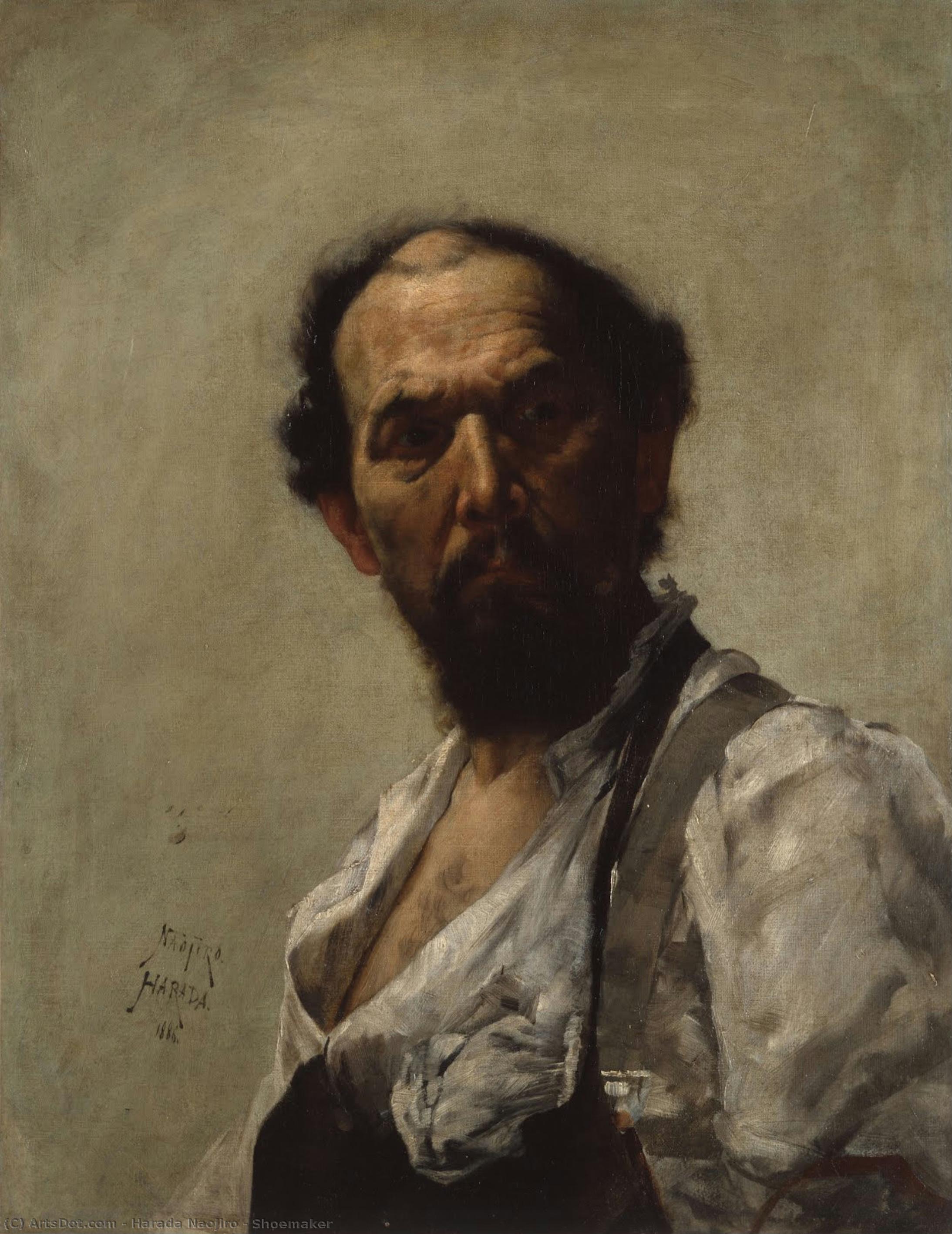
Shoemaker

Discover Harada Naojirō’s ‘Shoemaker,’ a masterpiece of Meiji Western painting. This 1886 portrait showcases dramatic realism & cultural significance – a rare glimpse into Japanese art history.

Discover Harada Naojirō (1863-1899), a pioneer of Japanese Yōga painting. Explore his fusion of Western techniques & traditional aesthetics, shaped by European study and friendship with Mori Ōgai.

Giclee štampa / Umetnički otisak

Giclée štampa ili print na platnu muzejskog kvaliteta uz brzu proizvodnju i fleksibilne opcije završne obrade.

Standard
custom
CM
INCH

Izaberite jednu od naših unapred definisanih veličina koje odgovaraju originalnim proporcijama umetničkog dela.

širina
visina

Možete uneti sopstvene dimenzije kako biste umetničko delo prilagodili specifičnom okviru ili prostoru. Ako odabrani format ne odgovara proporcijama originalne slike, mi ćemo ili iscrtati deo dela ili proširiti sliku pomoću ogledane ivice ili jednobojnog popunjavanja. Digitalni prikaz će vam biti poslat na odobrenje pre početka proizvodnje.
Imajte na umu da pregled na ekranu ne odražava stvarno iscrtavanje ili proširivanje. Samo će prikaz (mockup) precizno pokazati finalnu kompoziciju.
Iako su prilagođene dimenzije dostupne, preporučujemo da odaberete dimenziju sa unapred definisane liste kako biste očuvali originalne proporcije.

Dostava širom sveta () za 2 nedelje umesto uobičajenih 4/5 nedelja. (2 јул)

why_choose_icon
Besplatna ekspresna dostava širom sveta
why_choose_icon
Visokokvalitetno laneno platno
why_choose_icon
Kompletno osiguranje transporta
why_choose_icon
Garancija povraćaja carine i uvoznih dažbina
why_choose_icon
Garancija vernosti boja
why_choose_icon
Politika povrata u roku od 60 dana (samo u slučaju nedostataka)
why_choose_icon
Garancija povrata novca od 100%
why_choose_icon
Popust pri grupnoj kupovini

Ukupna cena

-

reproduction

Shoemaker

Giclee štampa / Umetnički otisak

Dimenzije reprodukcije

-

Konačna cena

-

Opis predmeta

Produced by Harada while studying in Munich, this painting of a shoemaker is not only his most important work but a masterpiece of portraiture that represents all of Meiji Western style painting. Harada Naojiro first studied Western-style painting at Takahashi Yuichi’s art school, Tenkai Gakusha. Making his way to Germany in 1884, he sought instruction from Gabriel von Max (1840-1915) and also studied at the academy in Munich before returning to Japan in 1887. The work shown here, dated 1886, was painted by Harada after two years of training in Europe. Against a yellowish gray background, the upper torso of the figure is depicted in so-called three quarter view. The face, however, is turned back toward the viewer, so that the eyes and body are oriented in different directions. The contrast between the strong light that falls upon the head from the forehead to the nose, and the shadow that lies over the eyes and left half of the face is also striking. Such a sense of movement in the body and contrast of light and dark impart a dramatic effect to Harada’s realistic rendering. A charcoal study presumed to depict the same individual is also known (cf. Meiji chuki no yoga [Western style painting of the mid-Meiji era], catalogue of the exhibition, 1988, illustration p. 54). The present work was purchased from Nagao Kenkichi on December 3, 1896. (Writer : Masako Kawaguchi Source : Selected Masterpieces from The University Art Museum, Tokyo National University of Fine Arts and Music: Grand Opening Exhibition, The University Art Museum, Tokyo National University of Fine Arts and Music, 1999)

Biografija umetnika

A Bridge Between Worlds: The Life and Art of Harada Naojirō

Harada Naojirō, a name perhaps less familiar in the West than some of his contemporaries, occupies a pivotal position in the development of modern Japanese painting. Born in Tokyo in 1863, during the twilight years of the Edo period, he lived a tragically short life, succumbing to illness at just thirty-six years old. Yet within those few decades, Harada forged a unique artistic path, one that boldly synthesized Western techniques with deeply ingrained Japanese aesthetics. His story is not merely that of an artist adopting new methods; it’s a narrative interwoven with Japan's own tumultuous journey toward modernization and its complex negotiation between tradition and innovation. His father, Harada Ichidō, served the military government translating foreign texts, inadvertently exposing young Naojirō to Western thought and culture from his earliest years – a formative influence that would shape his artistic destiny. This early exposure fostered an intellectual curiosity that extended beyond language, igniting a passion for visual representation that ultimately led him toward *yōga*, or Western-style painting.

From Tokyo to Munich: The Shaping of a Style

Harada’s formal education began at the Osaka Kaisei School and continued at the Tokyo School of Foreign Languages, where his father's emphasis on linguistic proficiency proved invaluable. However, it was around 1874 that his artistic inclinations truly blossomed under the tutelage of Yamaoka Shigeaki. This initial foray into Western painting laid the groundwork for a more intensive period of study when, in 1883, he joined Takahashi Yuichi’s Tenkai Gakusha school. Yuichi, a leading figure in *yōga*, provided Harada with a solid foundation in oil painting techniques and encouraged his commitment to this burgeoning artistic movement. But the true catalyst for his stylistic development came with his journey to Germany in 1884. Enrolling at the Academy of Fine Arts in Munich and apprenticing under Gabriel von Max, Harada immersed himself in the heart of European art. Munich proved to be a fertile ground not only for artistic growth but also for intellectual exchange. He formed lasting friendships with fellow artists like Julius Exter and, crucially, with Mori Ōgai, a Japanese writer who would become a lifelong confidant and collaborator. These relationships profoundly impacted his perspective, broadening his understanding of art’s potential beyond mere technical skill. It was during this period that Harada began to articulate a vision for an art that wasn't simply imitative of the West but rather a fusion of Eastern sensibility and Western methods.

A Controversial Return: Innovation and Resistance

Returning to Japan in 1887, Harada established his own private school dedicated to *yōga*, a courageous act at a time when traditional Japanese art forms were fiercely defended by those wary of foreign influence. He actively championed Western painting techniques, believing they offered new avenues for artistic expression. However, this advocacy wasn’t without its challenges. His work often sparked debate and even controversy, most notably with *Kannon Bodhisattva Riding the Dragon*. This ambitious piece, exhibited in 1890, boldly combined a revered Japanese religious motif with Western painting conventions – a move that challenged established norms and ignited passionate discussion about the very definition of Japanese art. The work’s reception underscored the tension between tradition and modernity that characterized the Meiji period. Despite facing resistance, Harada continued to exhibit his paintings, demonstrating an unwavering commitment to his artistic vision. His close friendship with Mori Ōgai further cemented his place within Japan's cultural landscape; he even served as the model for the protagonist in Ōgai’s poignant short story *A Sad Tale* (1890), a testament to their deep connection and mutual respect.

Legacy of a Pioneer

Harada Naojirō’s untimely death in 1899 cut short a promising career, but his impact on the development of modern Japanese art remains significant. He is rightfully recognized as a pivotal figure in the *yōga* movement, a true pioneer who bridged Eastern and Western artistic traditions. His skill lay not merely in mastering Western techniques – realistic depiction, perspective, chiaroscuro – but in seamlessly integrating them with Japanese subject matter and aesthetic sensibilities. He didn’t simply paint *in* the Western style; he created a uniquely Japanese form of Western painting. This innovative approach profoundly influenced subsequent generations of artists, including Migishi Kōtarō, who carried forward his legacy of artistic experimentation. Today, Harada's works are preserved in museums such as the Seiji Togo Memorial Yasuda Kasai Museum of Art, ensuring that his contributions continue to be celebrated and studied. His story serves as a powerful reminder of the transformative power of art and its ability to reflect – and shape – the cultural identity of a nation undergoing profound change.

Notable Works

  • Shoemaker (1886): A masterpiece that exemplifies Harada’s dramatic realism and his keen observation of everyday life, offering a glimpse into the social fabric of Meiji-era Japan.
  • Rabbit and Roses by Mori Ransai: Demonstrates the influence of his European studies on his artistic style.
  • Kannon Bodhisattva Riding the Dragon (1890): A groundbreaking, albeit controversial, work that embodies Harada’s innovative spirit and willingness to challenge conventional boundaries.
His paintings are not merely historical artifacts; they are vibrant testaments to a moment of cultural exchange, artistic exploration, and the enduring power of individual vision.
Harada Naojirō

Harada Naojirō

1863 - 1899 , Japan

Osnovne informacije

  • Artistic Movement Or Style: Yōga (Western Style)
  • Artists Or Movements Influenced By This Artist: ['Migishi Kōtarō']
  • Artists Who Influenced This Artist:
    • Yamaoka Shigeaki
    • Takahashi Yuichi
    • Gabriel von Max
  • Date Of Birth: October 12, 1863
  • Date Of Death: December 26, 1899
  • Full Name: Harada Naojirō
  • Nationality: Japanese
  • Notable Artworks:
    • Shoemaker
    • Rabbit and Roses
    • Kannon Bodhisattva Riding the Dragon
  • Place Of Birth: Tokyo, Japan