Жаном Холбином Млађим: Мајстор Реализма и Портрета
Жан Холбин Млађи, рођен отприлике 1497. године у Аугзбургу, Немачка, био је више од самог сликара; он је био хроничар епохе, мајстор портрета чији су делови и данас дишу животом и откривају тајне своје епохе. Породична традиција уметности, са оцем Жаном Холбином Старијим као угледног сликара и гравера, положила је основу за његову изузетну каријеру. Али није то било само наслеђе – била је то неумокла посвећеност детаљу, способност да види не само изглед, већ и суштину човека, што га је издвојило од осталих. У раним годинама, у заједничкој радионици са оцем и братом Амброзијусом, Холбин је усвајао основе заната, али брзо је показао да поседује нешто више – дар да пренесе на платно не само слику, већ и душу.
Од Базела до Енглеске Дворске Сцене: Узлетање Звезде
После завршетка ученичког стажа, Холбин је кренуо у путовања која су обликовала његов стил и проширила његову репутацију. Базел, град културног цветања, постао је његова прва велика сцена, где је стварао не само портрете, већ и религијска дела, те сложене дрворезе за књиге. Управо ту се родила чувена серија "Плес смрти", дело које открива Холбинову способност да ухвати мрачну поезију живота и неизбежност краја. Али судбина је имала нешто друго у виду – позив на Енглеску, земљу која ће постати његов дом и где ће доћи до пуног испуњења његовог талента. Помоћу препоруке од ренесансног хуманисте Еразма Ротердамског, Холбин је ушао у круг енглеске интелигенције, брзо освајајући срца и патронате угледних личности, укључујући сира Томаса Мора. Ово је била прекретница – од тада је Холбин постао омиљени сликар енглеског краљевског двора, а његови портрети су украшавали палате и замкове.
Уметност Перцепције: Стил и Мајсторска Дела
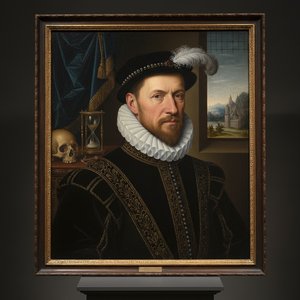
Холбинов стил се одликује изузетном посвећеношћу реализму, постигнутом кроз неуморан рад на детаљима у представљању тканина, материјала и суптилних нијанси лица. Он није само сликао портрете; он их је пажљиво конструисао, слој по слој, настојећи да ухвати не само физички изглед, већ и личност и унутрашњи свет својих модела. Иновативне композиције додатно су нагласиле ефекат његовог рада, често користећи симболичне предмете или позадине како би пренео дубље значење. "Амбасадори" (1533) је сведочанство о овоме – комплексно и синолитично богато дело које демонстрира Холбинову техничку бриљијантност и интелектуалну дубину. Скривени аморфни лобос у слици служи као моћан *memento mori*, подсећајући гледаоце на неизбежност смрти. Његови бројни портрети Хенрија VIII успоставили су трајну слику туторске моћи, док је његов портрет Еразма Ротердамског ухватио дубински интелектуални грациозност учења.
Наслеђе и Утицај: Трајан Утисак
Холбинов уметнички пут био је обликован спојем различитих утицаја, спајајући прецизност немачке уметничке традиције са композиционим принципима ренесансе. Ценио је дело Албрехта Дирера и других немачких мајстора, док је током путовања усвојио италијанску уметност, интегришући њену технику у свој јединствени стил. Холбиново наслеђе је огромно; његови портрети су успоставили нови стандард реализма и психолошке проницљивости у портретној сликарској уметности, инспиришући генерације уметника који су дошли после њега. Његова дела пружају непроцењиве увиде у животе и личности кључних фигура током туторске епохе. Он није само забележио изглед – он је сачувао тренутке у времену, очувавши их за потомство.
Завршна Повлачење: Историјски Значај
Жан Холбин Млађи преминуо је у Лондону 1543. године, оставивши иза себе дела која и данас опчињавају публику вековима касније. Његови портрети су више од лепих слика; они су историјски документи који нуде проблеске у политичке интриге, религиозна преображења и културне промене туторске епохе.
- Његове представе Хенрија VIII постале су моћни симболи краљевске власти.
- Портретирање угледних хуманиста као што је Еразмо пружа увид у животе и мисли водећих интелектуалаца свог доба.
- Иновативно коришћење симболе додаје слојеве значења његовом раду, позивајући гледаоце да размишљају о дубљим темама.
Холбинова уметност надмашује чисту техничку вештину; она је оличење интелектуелне љубопитности, уметничке иновације и продубљеног разумевања човекове природе. Он остаједан од најпоштованија и најпроучаванијих сликара ренесансе – мајстор чије наслеђе наставља да инспирише и задивљује.



 Pregledaj u prostoru
 Naručite ručno oslikano reprodukciju
 Podeli
 Podeli
 Detalji
 Vodič
Vodič

 Preuzmi sliku
 Slični predmeti
 Rendgenski snimak
 Automatska prezentacija
 Statistika


 Pročitaj više






































 Opcija sa staklom dostupna je samo za dimenzije manje od 110 cm






![Dupli portret Жана де Динтевила и Жоржа де Села (известен и као Амбасадори) [detalj]](/media/artworks/images-thumb/bb/ab/bbab7ce77b7dd15d23d21114a63b51a4.jpg)

![Dupli portret Жана де Дентивила и Жоржа де Селва (poznat i kao „Амбасадори“) [detalj]](/media/artworks/images-thumb/42/81/42813dc49b2f72bce897aaf8b747ad5b.jpg)


