Pregledaj u prostoru AR pregled Pređi na štampu Pređi na digitalnu sliku Pošalji
Detalji o delu Dodaj u omiljene Преузми Slični predmeti Rendgenski snimak Slajdovi Statistika

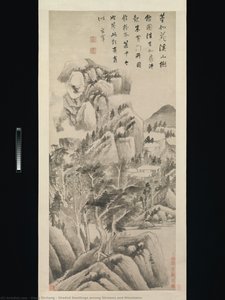
Zhongshan Going on Excursion

A captivating scene of a man being carried in a chair unfolds in this Song Dynasty masterpiece by Gong Kai, offering a rare glimpse into historical Chinese life that you can bring to your private collection.

Discover Gong Kai (1222-1307), a celebrated Chinese painter & poet of the Song Dynasty. Known for 'Merry Gatherings' & misty landscapes, his art reflects political influence.

Ručno rađena uljana reprodukcija

Ručno oslikano uljanim bojama na platnu u dimenzijama i okviru po vašem izboru, izrađeno po porudžbini od strane naših umetnika. ( Pređi na štampu Pređi na digitalnu sliku)

Standardne dimenzije
po meri
CM
INCH

Izaberite jednu od naših unapred definisanih veličina koje odgovaraju originalnim proporcijama umetničkog dela.

širina
visina

Можете унети сопствене димензије како бисте прилагодили дело одређеном оквиру или простору. Ако одабрана величина не одговара пропорцијама оригинала, слика ће бити исечена или проширена додатним елементима који се ручно насликавају. Дигитални prikaz ће вам бити послат на одобрење пре почетка производње.
Имајте на уму да преглед на екрану не одражава стварно исецање или проширење. Само приказ (mockup) ће тачно приказати коначну композицију.
Иако су доступне прилагођене величине, препоручујемо да одаберете димензију из дефинисане листе како бисте сачували оригиналне пропорције.

Primeri onoga što se može promeniti: Zamena lica fotografijom kupca; Dodavanje ljubimca (npr. zamena mačke psom); Uključivanje skrivene poruke u pozadini; Promena pejzaža ili elemenata pozadine.
Nakon narudžbine, tim WahooArt.com će klijentu putem e-pošte poslati uputstva i dostaviti prikaz predloženog rešenja

Isporuka širom sveta () za 3/4 nedelje umesto uobičajenih 5 nedelja. (19 септембар). Bez kompromisa po pitanju kvaliteta.

why_choose_icon
Besplatna ekspresna dostava širom sveta
why_choose_icon
Visokokvalitetno laneno platno
why_choose_icon
Kompletno osiguranje transporta
why_choose_icon
Garancija povraćaja carine i uvoznih dažbina
why_choose_icon
Garancija vernosti boja
why_choose_icon
Politika povraćaja u roku od 100 dana (isključivo u slučaju nedostataka)
why_choose_icon
Garancija povrata novca od 100%
why_choose_icon
Popust pri grupnoj kupovini

Ukupna cena

$ 272

reproduction

Zhongshan Going on Excursion

Tehnika reprodukcije

Dimenzije reprodukcije

-

Konačna cena

$ 272

Osnovne informacije

  • Artist: Gong Kai
  • Subject or theme: A man in a chair being pulled by attendants
  • Title: Zhongshan Going on Excursion
  • Year: 1300

A Journey Through Time: The Spirit of Song Dynasty Elegance

In the delicate dance of ink and brush, Zhongshan Going on Excursion emerges as a profound window into the soul of the late Song Dynasty. This evocative masterpiece by the legendary Gong Kai captures more than just a moment in time; it invites the viewer into a rhythmic procession that feels both intimate and monumental. The scene unfolds with a sense of quiet grandeur, depicting a central figure seated in an ornate chair, being tenderly guided through a landscape by attendants. As your eyes wander across the composition, you encounter a tapestry of human connection—figures kneeling, standing, and sharing communal moments, perhaps even preparing food for the journey. There is a palpable sense of movement, yet it is tempered by a serene, meditative stillness that defines the very essence of classical Chinese ink wash painting.

The artistry of Gong Kai, a master poet and painter, is felt in every deliberate stroke. The technique relies on the sophisticated interplay of light, shadow, and varying densities of ink to create depth without the need for heavy pigments. Through subtle gradations, the artist breathes life into the figures and their surroundings, using fine lines to delineate the textures of clothing and the structural weight of the sedan chair. This mastery of shui-mo (ink wash) allows for a misty, atmospheric quality that suggests an expansive world existing just beyond the edges of the frame. For the discerning collector or interior designer, this piece offers a sophisticated focal point, bringing a sense of historical weight and scholarly refinement to any curated space.

Symbolism and the Poetics of the Landscape

Beyond its literal depiction of an excursion, the painting serves as a profound allegory for the complexities of leadership, social harmony, and the transient nature of life. The central figure, elevated yet surrounded by his community, symbolizes the delicate balance between authority and the shared human experience. The presence of others—the attendants, the observers, and those engaged in the humble tasks of sustenance—creates a narrative of interdependence. In the context of Gong Kai’s era, such imagery often carried subtle political undertones, reflecting the shifting tides of power and the enduring importance of tradition amidst a changing world.

The emotional resonance of Zhongshan Going on Excursion lies in its ability to evoke nostalgia for a lost era of elegance. It is a work that speaks to the heart of those who appreciate the beauty of simplicity and the profound depth found in subtle details. Whether displayed in a contemporary gallery or as a centerpiece in a classic study, this reproduction serves as an enduring testament to the power of the brush to capture the fleeting essence of human dignity and the eternal grace of the natural world.


Biografija umetnika

Don Enright: A Pioneer of Big Game Wildlife Art

Don Enright (1903 – 1987) stands as a pivotal figure in the history of American wildlife art, particularly renowned for his evocative depictions of big game animals in expansive landscapes. Born in Washington State, Enright’s artistic journey began modestly, initially pursuing work as a commercial illustrator before dedicating himself fully to capturing the grandeur and spirit of the natural world. His career spanned nearly seven decades, during which he produced an astonishing body of work – over 300 paintings – that cemented his legacy as one of the most celebrated wildlife artists of the 20th century. Enright’s art wasn't merely about accurate representation; it was a deeply felt appreciation for the wilderness and its inhabitants, imbued with a sense of respect and wonder.

Early Life and Artistic Beginnings

Enright’s early life instilled in him a profound connection to the outdoors. Growing up on a ranch in Washington State provided constant exposure to wildlife and the vastness of the landscape – experiences that would profoundly shape his artistic vision. Initially, he worked as an illustrator for various publications, honing his skills in composition, perspective, and rendering detail. This commercial experience proved invaluable, teaching him how to effectively communicate ideas through visual means. However, it was a chance encounter with the work of Charles Henry Simpson, a renowned wildlife artist, that truly ignited Enright’s passion for painting animals in their natural habitats. Simpson's emphasis on capturing the animal's personality and movement served as a significant inspiration.

Style and Technique: A Master of Impressionistic Realism

Enright’s artistic style is often described as a blend of impressionistic realism. He skillfully employed loose brushstrokes and vibrant colors to convey the atmosphere and light of the landscapes he depicted, while simultaneously rendering his subjects with remarkable accuracy and detail. He was particularly adept at capturing the texture of fur, feathers, and hides, creating an illusion of tactile reality. Unlike many wildlife artists who focused solely on the animal itself, Enright consistently integrated them seamlessly into their environments, emphasizing their place within a larger ecosystem. His compositions frequently utilized dramatic lighting – often utilizing backlighting or sidelighting – to create depth, mood, and a sense of drama. He was also known for his use of atmospheric perspective, subtly blurring distant elements to convey the vastness of the landscapes he portrayed.

Duck Stamp Artist and Recognition

Enright’s artistic talents gained widespread recognition through his prolific work as a duck stamp artist. From 1947 to 1978, he designed over 30 official U.S. Fish & Wildlife Service duck stamps, each depicting a different waterfowl species in its natural habitat. These stamps not only served as hunting licenses but also became iconic symbols of conservation efforts, and Enright’s artwork played a crucial role in raising awareness about the importance of protecting America's wildlife resources. His duck stamp designs were celebrated for their beauty, accuracy, and ability to capture the essence of the featured species. The success of his duck stamps significantly boosted his profile within the art world and established him as a leading figure in wildlife illustration.

Legacy and Influence

Don Enright’s impact on American wildlife art is undeniable. He demonstrated that it was possible to create powerful, emotionally resonant images of animals while simultaneously respecting their natural habitats. His work continues to inspire artists today, and his legacy as a master of big game wildlife art remains secure. His paintings are held in numerous museums and private collections across the United States, testament to the enduring appeal of his evocative depictions of the American wilderness. Beyond his artistic achievements, Enright’s dedication to conservation served as an example for future generations of artists and environmental stewards. His work stands as a reminder of the beauty and importance of preserving our natural world.
gong kai

gong kai

1222 - 1307 , China

Osnovne informacije

  • Artistic Movement Or Style: Big game wildlife, duck stamp artist
  • Date Of Death: 1987
  • Full Name: Don Enright
  • Nationality: American
  • Notable Artworks: ['Big game wildlife landscapes']
  • Place Of Birth: Washington