A Symphony of Sorrow: The Soul of Bellini’s Masterpiece
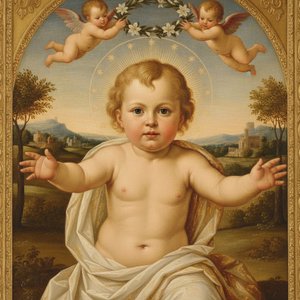
In the quiet, hallowed halls of the Gallerie dell'Accademia in Venice, there exists a window into the profound depths of human grief and divine compassion. Giovanni Bellini’s “The Pity,” completed in 1505, is not merely a painting; it is a visceral experience of spiritual reflection. As one of the undisputed titans of the High Renaissance, Bellini possessed an unparalleled ability to bridge the gap between the rigid traditions of Byzantine iconography and the burgeoning humanism of his era. In this work, we witness the pinnacle of Venetian mastery, where the heavy weight of mortality meets the ethereal lightness of grace. The scene captures a moment of devastating intimacy: Mary cradling the broken body of Jesus, a composition that resonates with an eternal, quiet ache that transcends the centuries.
The emotional landscape of the painting is as vast as the Venetian sky depicted in its background. Bellini utilizes a masterful chiaroscuro, manipulating light and shadow to sculpt the figures with a lifelike tenderness. The way the soft light falls upon the serene, yet lifeless, features of Christ and the sorrowful countenance of Mary invites the viewer into a state of meditative empathy. For the collector or the lover of fine art, this piece offers more than visual beauty; it provides a profound emotional anchor, a focal point for contemplation that brings a sense of historical gravity and spiritual peace to any space.
Technique and the Venetian Glow
To understand the brilliance of “The Pity,” one must appreciate Bellini’s revolutionary use of oil paint. Unlike the tempera methods of his predecessors, the slow-drying nature of oil allowed Bellini to achieve subtle tonal gradations and a luminous, translucent quality that seems to radiate from within the canvas itself. This technique is particularly evident in the rich, deep blues of Mary’s robes and the delicate, fleshy tones of Christ’s skin. The artist’s ability to layer glazes creates a sense of depth and atmosphere, making the lush greenery and the distant, castle-topped hill feel as though they are breathing within the frame.
The composition is a masterclass in balanced tension. While the central figures command our immediate attention through their emotional gravity, Bellini skillfully guides the eye toward the stylized Venetian landscape. This juxtaposition of the intimate, tragic foreground with the enduring, tranquil background serves to underscore the theme of eternal life amidst earthly suffering. For interior designers seeking to infuse a room with character and depth, a high-quality reproduction of this work offers a sophisticated interplay of color and light, capable of transforming a contemporary setting into a sanctuary of classical elegance.
A Legacy of Devotion and Artistry
The historical context of “The Pity” is deeply intertwined with the golden age of Venice. Born into a lineage of great painters, Giovanni Bellini refined the language of color that would define the Venetian school for generations. This painting, a devotional work likely intended for private contemplation, embodies the era's shift toward more humanized religious subjects. The tenderness of the maternal embrace reflects a growing interest in the human element of sacred narratives, making the divine feel accessible and profoundly relatable.
Owning or displaying a reproduction of such a masterpiece is an invitation to participate in this storied tradition. It is a piece that speaks to the enduring power of compassion and the beauty found in vulnerability. Whether placed in a curated gallery, a scholarly study, or a refined living space, “The Pity” serves as a timeless testament to Bellini’s genius—a work that continues to capture the hearts of those who find beauty in the delicate balance of sorrow and light.
Pitanja i odgovori
Koju fazu razvoja umetnika Јован Антони Белини predstavlja delo "The Pity"?
U okviru karijere umetnika Јован Антони Белини, delo "The Pity" pripada periodu Mature Period. Ova faza omogućava poređenje sa drugim delima ovog umetnika.
Ko se raspoloženje i emocija spajaju u "The Pity"?
„The Pity”, Јован Антони Белини prenosi Calm osećaj unutar opšte Serene atmosfere.
Da li je delo "The Pity" autora Јован Антони Белини u javnom vlasništvu i zašto?
„The Pity”, Јован Антони Белини je u u javnom vlasništvu – autorska prava su istekla. Autorska prava traju od smrti umetnika, koja se dogodila 1516.



 Pregledaj u prostoru
 Naručite ručno oslikano reprodukciju
 Podeli
 Podeli
 Detalji
 Vodič
Vodič

 Preuzmi sliku
 Slični predmeti
 Rendgenski snimak
 Automatska prezentacija
 Statistika


 Pročitaj više






































 Opcija sa staklom dostupna je samo za dimenzije manje od 110 cm