x
Pregledaj u prostoruPregledaj u prostoru AR pregledAR pregled Kupi ručno naslikanu sliku Kupi ručno naslikanu slikuKupi digitalnu sliku Kupi digitalnu sliku PošaljiPošalji
Detalji o deluDetalji o delu Dodaj u omiljene Dodaj u omiljene ПреузмиПреузми Slični predmetiSlični predmeti Rendgenski snimakRendgenski snimak SlajdoviSlajdovi

Perspective View (Stage design)

Discover Canaletto's 'Perspective View (Stage design)': A captivating capriccio depicting a fantastical Roman Capitol stage set, showcasing intricate details and masterful perspective.

Otkrijte predivne venecijanske pejzaže i gradske prizore Canaletta! Istražite njegovu preciznost, uvid kroz kameru obscuru i uticaj na umetnost 18. veka. Majstor vedute.

Giclee štampa / Umetnički otisak

Giclée štampa ili print na platnu muzejskog kvaliteta uz brzu proizvodnju i fleksibilne opcije završne obrade. (Kupi ručno naslikanu sliku Kupi ručno naslikanu slikuKupi digitalnu sliku Kupi digitalnu sliku)

P118B $10
P118H $10
P118W $10
P438Z $10
P508JH $12
P508YH $12
P805H $10
P805Z $10
P919BZ $10
P919G $10
P919XJ $10
P959ZH $10
P968JZ $12
W106C $8
W218G $10
W218JH $8
W218Y $10
W307PJ $10
W316G $10
W316PJ $8
W316Y $10
W398PJ $8
W4111J $10
W500HY $15
W500JH $15
W692G $12
W849H $8
W940BG $15
W953PJ $8

Standardne dimenzije
po meri
CM
INCH

Izaberite jednu od naših unapred definisanih veličina koje odgovaraju originalnim proporcijama umetničkog dela.

širina
visina

Možete uneti sopstvene dimenzije kako biste umetničko delo prilagodili specifičnom okviru ili prostoru. Ako odabrani format ne odgovara proporcijama originalne slike, mi ćemo ili iscrtati deo dela ili proširiti sliku pomoću ogledane ivice ili jednobojnog popunjavanja. Digitalni prikaz će vam biti poslat na odobrenje pre početka proizvodnje.
Imajte na umu da pregled na ekranu ne odražava stvarno iscrtavanje ili proširivanje. Samo će prikaz (mockup) precizno pokazati finalnu kompoziciju.
Iako su prilagođene dimenzije dostupne, preporučujemo da odaberete dimenziju sa unapred definisane liste kako biste očuvali originalne proporcije.

Dostava širom sveta () za 2 nedelje umesto uobičajenih 4/5 nedelja. (1 септембар)

why_choose_icon
Besplatna ekspresna dostava širom sveta
why_choose_icon
Visokokvalitetno laneno platno
why_choose_icon
Kompletno osiguranje transporta
why_choose_icon
Garancija povraćaja carine i uvoznih dažbina
why_choose_icon
Garancija vernosti boja
why_choose_icon
Politika povrata u roku od 60 dana (samo u slučaju nedostataka)
why_choose_icon
Garancija povrata novca od 100%
why_choose_icon
Popust pri grupnoj kupovini

Ukupna cena

$ 68

reproduction

Perspective View (Stage design)

Giclee štampa / Umetnički otisak

Dimenzije reprodukcije

-

Konačna cena

$ 68

Osnovne informacije

  • Movement: Venetian School
  • Title: Perspective View (Stage design)
  • Medium: Oil on canvas
  • Notable elements or techniques: Perspective, foreshortening
  • Artistic style: Veduta, Capriccio
  • Artist: giovanni antonio canal

Kviz o umetnosti

Svako pitanje ima samo jedan tačan odgovor.

Pitanje 1:
What is the primary subject depicted in ‘Perspective View (Stage design)’?
Pitanje 2:
The description mentions that the painting may have been created shortly after Canaletto’s stay in Rome. What does this suggest about its style?
Pitanje 3:
The painting features a prominent equestrian monument. What historical figure does it resemble?
Pitanje 4:
According to the description, what is a key characteristic of Canaletto’s style that has been debated by scholars?
Pitanje 5:
What type of perspective is prominently featured in ‘Perspective View (Stage design)’?

A Captivating Vision of Venetian Theatre

Canaletto’s “Perspective View (Stage Design)” is more than just a depiction of a bustling scene; it's a window into the vibrant theatrical culture of 18th-century Venice. Painted likely in the early 1720s, this capriccio – a term Canaletto himself employed for imaginary or idealized views – transports us to a fantastical Capitol, glimpsed through a grand loggia adorned with Corinthian columns and shimmering with golden ornamentation. The composition is anchored by an equestrian monument, reminiscent of Marcus Aurelius, rising majestically from the steps of a triumphal arch, creating a powerful sense of grandeur and historical resonance.

The painting’s genius lies not merely in its technical precision but also in its evocative atmosphere. Canaletto masterfully employs linear perspective to draw the viewer into this meticulously rendered space. The receding lines of the loggia, the diminishing scale of the statues, and the subtle shifts in light create a convincing illusion of depth, inviting us to step through the painted world and become part of the scene. Notice how he uses atmospheric perspective – distant elements are paler and less defined, contributing to the overall sense of vastness and theatrical spectacle.

The Artist’s Context: Canaletto and Venetian Topography

Giovanni Antonio Canal, known as Canaletto, was a pivotal figure in the development of topographical painting. Born in Venice in 1697, he initially trained under his father, Bernardo Canal, a stage designer for theatrical productions. This early experience instilled in him a deep understanding of perspective and spatial relationships – skills that would later define his remarkable career. Canaletto’s work was profoundly shaped by the bustling commercial activity of Venice, a city renowned for its trade and artistic patronage. He meticulously documented the city's canals, palaces, markets, and everyday life, creating a vast archive of visual records.

His approach differed significantly from earlier Venetian painters who focused primarily on religious or mythological subjects. Canaletto’s interest lay in capturing the tangible reality of Venice – its architecture, its people, and its atmosphere. This shift towards secular subject matter reflected a broader cultural trend during the 18th century, as artists increasingly sought to depict the world around them with greater accuracy and detail. The painting's attribution has been debated by scholars, but Stefano Susinno recognized it as a unique example in Canaletto’s oeuvre due to its drawing, points of light, and similarities to other capricci.

Symbolism and Theatrical Allusion

Beyond its technical brilliance, “Perspective View (Stage Design)” is rich in symbolic meaning. The equestrian monument, a reference to Roman emperors, suggests an ideal of leadership and power. The triumphal arch evokes the grandeur of ancient Rome, while the golden ornaments symbolize wealth and prestige. The inclusion of figures engaged in various activities – musicians, spectators, and performers – underscores the importance of theatre as a central element of Venetian society. It’s a scene brimming with life, energy, and the allure of entertainment.

Interestingly, scholars believe this painting may have been created shortly after Canaletto's stay in Rome (1718-1720), possibly inspired by the city’s ancient ruins and theatrical traditions. The presence of numerous architectural elements reminiscent of Roman antiquity suggests a deliberate attempt to evoke the spirit of the classical world.

A Legacy of Precision and Vision

“Perspective View (Stage Design)” stands as a testament to Canaletto's exceptional skill and artistic vision. It’s a captivating blend of realism, imagination, and theatricality – a painting that continues to delight and intrigue viewers centuries after its creation. Reproductions of this work offer a remarkable opportunity to experience the beauty and detail of Canaletto’s artistry in your own home or office, bringing a touch of Venetian elegance and historical grandeur to any space.


Biografija umetnika

Рани живот и формирање уметника

Ђовани Антонио Канал, познатији као Каналето, рођен је 18. октобра 1697. године у живописном граду Венецији. Син је Бернарда Канала, сликара позоришних декора и Артемизије Барбијери. Његово прво уметничко образовање започело је са оцем, који га је научио основним техникама сликарства. Каналетов рани таленат био је очигледан, а његов отац га је подстицао да развија свој стил и вештине.

Путовања и усавршавање заната

Године 1718. Каналето се преселио у Рим, где је радио на изради декора за две опере Александра Скарлатија. Ово искуство имало је дубок утицај на његов развој као уметника. У Риму је стекао драгоцено знање о перспективи и композицији, што ће касније бити кључно за његов препознатљив стил. Након повратка у Венецију, Каналето се посветио сликању топографских приказа града, који су га прославили.

Венеција као главна инспирација

Каналето је постао мајстор у приказивању лепоте и атмосфере Венеције. Његови радови одликују се изузетном прецизношћу, детаљима и реалистичним приказом светла и сенке. Сликао је канале, тргове, палате и церемоније, стварајући живописне портрете града који су постали симбол венецијанског живота. Међу његова најпознатија дела спадају Двориште каменорезаца (око 1725.), ремек-дело које демонстрира његову рану вештину, као и Регата на Великом каналу, живописна слика венецијанских свечаности. Каналето је био изузетно посвећен реализму у свом раду, а многи стручњаци верују да је користио камеру обскуру како би постигао максималну топографску тачност.

Сарадња и признање

Каналето није радио самостално. Сарађивао је са својим нећаком, Бернардом Белетом, који је такође постао успешан уметник. Заједно су створили многа значајна дела, размењујући идеје и технике. Каналетово дело стекла је велико признање како у Италији тако и у иностранству, посебно у Енглеској, где је посетио између 1746. и 1756. године. Током боравка у Енглеској сликао је многа значајна дела, укључујући Етон колеџ, што сведочи о његовом утицају на енглеску уметност.

Наслеђе и трајан утицај

Радови Каналета се могу видети у многим музејима широм света, укључујући Националну галерију у Лондону. Његово наслеђе је огромно, а многи уметници су били инспирисани његовим стилом и техником. Каналето је оставио неизбрисив траг на венецијанском сликарству и европској уметности уопште. Он се сматра мајстором пејзажа и једним од најзначајнијих представника Ведуте жанра, који се бави приказивањем градских призора. Каналето је умро 19. априла 1768. године у Венецији, али његова дела и даље одушевљавају публику широм света.

  • Погледајте Каналетова дела на https://WahooArt.com/@/giovanni-antonio-canal
  • Сазнајте више о Каналету на Википедији
  • Откријте лепоту венецијанске уметности у Палумбо-Фосати колекцији (Венеција, Италија)
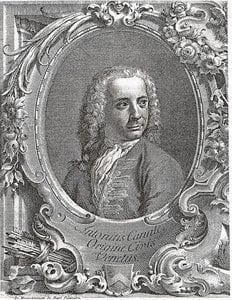
Каналето

Каналето

1697 - 1768 , Italija

Osnovne informacije

  • Artistic Movement Or Style: Vedute Venecije
  • Artists Or Movements Influenced By This Artist: ['Tintoretto']
  • Artists Who Influenced This Artist: ['Giovanni Paolo Pannini']
  • Date Of Birth: 18. oktobar 1697.
  • Date Of Death: 19. april 1768.
  • Full Name: Giovanni Antonio Canal
  • Nationality: Italijan
  • Notable Artworks:
    • Dvorište kamenorezaca
    • Regata na Grand Canalu
    • Eton College
  • Place Of Birth: Venecija, Italija
Istražite umetnička dela organizovana prema temama, stilovima i karakteristikama.