Мајстор Светла и Сенки: Живот и Уметност Герарда ван Хонторста
Герард ван Хонторст се појавио у Утрехту 1592. године, као кључна фигура спремна да осветли Златно доба Холандије својом драматичном уметношћу. Првобитно вођен оцем, декоративним сликаром, младог Герарда је таленат развио под менторством Абрахама Блоемаерта, стекавши чврсту основу у цртању и композицији. Међутим, трансформативно путовање у Рим неповратније је променило ток његовог уметничког развоја. Тамо, усред бурне енергије италијанског барока, сусрео се са револуционарним делом Каравађа – сусрет који ће дефинисати његов препознатљиви стил и зарадити му евокативан надимак “Ђерардо деле Ноти”, или Герард ноћи. Драматична употреба
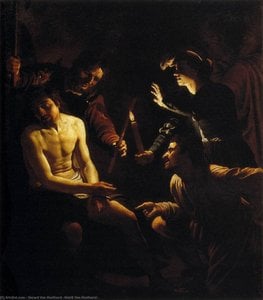
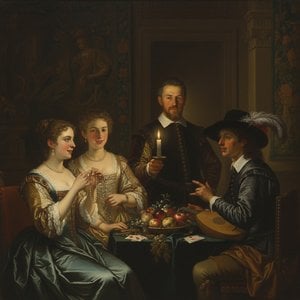
тенизмизма, технике која користи оштре контрасте између светла и таме, постао је обележје Хонторста, уносећи његова платна у опипљив осећај драме и емоционалног интензитета. Он није само имитирао Каравађа; он је преводио иновације италијанског мајстора у посебно холандску осетљивост, фокусирајући се на интимне сцене осветљене вештачким изворима светлости – свећама, лампама и ватром – стварајући атмосферу која је била реалистична и дубоко позоришна. Овај мајсторство над светлом није била само техничка вештина; то је било средство за откривање карактера, за увлачење гледаоца у емотивну суштину сваке сцене.
Од Римског Успеха до Холандске Мастерности
Време Хонторста у Риму обележио је значајан успех и покровитељство. Задобио је наклоност међу римском елитом, укључујући Винченца Ђустинијанија, за кога је створио моћно “Христос пред Високим свештеником”, дело које оличава његово мајсторско управљање светлом и сенком. Ово сликање, сада смештено у Националној галерији у Лондону, демонстрира не само његову техничку вештину, већ и способност да пренесе дубоку психолошку дубину у својим фигурама. Даље је учврстио своју репутацију радећи за Козима II де Медичија, Великог вожду Тоскане, демонстрирајући прилагодљивост и свестраност која ће му добро служити током његове каријере. По повратку у Утрехт око 1620. године, Хонторст се брзо успоставио као водећи портретиста у Холандској Републици. Његова способност да заухвати не само физички лик, већ и карактер и друштвени статус својих модела учинила га је траженим од стране богатих трговаца, племића, па чак и краљевских личности. Постао је председник Цеха Светог Луке у Утрехту 1623. године, што је сведочило његовом растућем утицају у уметничкој заједници. Ово раздобље је видело процват поруџбина, омогућавајући Хонторсту да усаврши свој стил и успостави карактеристичан глас у холандском сликању.
Дворски Уметник: Поруџбине и Сарадње
Досег Хонторстовог талента проширио се ван Холандије. Његов рад је привукао пажњу Сира Дадлија Карлетона, који га је са ентузијазмом препоручио истакнутим енглеским аристократима попут грофа Арундела и лорда Дорчестера. Ово је довело до поруџбина краљице Елизабете Бохемијске, сестре Чарлса I, која га је запослила као сликара и учитеља цртања за своју децу. Ове краљевске везе кулминирале су значајним делима попут алегоријског приказа Чарлса-а и Хенриете Марије као Дијане и Апола, сада смештеног у дворцу Хамптон Корт. Спремност Хонторста да сарађује са другим уметницима такође говори о његовој отворености и уметничкој великодушности. Он је познато угостио Питера Паула Рубенса током посете Утрехту, чак га сликајући у игривој сцени која приказује Диогена који тражи поштеног човека – сведочење међусобног поштовања између ова два барокна гиганта. Иако су неке сарадничке радове, попут “Заробљавања Христа”, првобитно приписане само Хонторсту, модерна научна истраживања открила су доприносе других уметника, истичући сложену динамику уметничке продукције током овог периода.
Ове сарадње нису биле само о подели посла; радило се о интелектуалним разменама које су обогатиле уметнички пејзаж.
Наслеђе и Утрехтски Каравађисти
Утицај Герарда ван Хонторста одјекивао је далеко изван његовог живота. Био је кључна фигура у *Утрехтским Каравађистима* – групи холандских сликара који су прихватили драматични реализам и
тенизмизам Каравађа. Заједно са уметницима попут Хендрика тер Бругена и Дирка ван Бабурена, помогао је да се успостави посебно холандска интерпретација италијанског барокног стила. Његов акцент на жанровским сценама осветљеним вештачким светлом, његови мајсторски портрети и способност да пренесе емоционалну дубину кроз умешну употребу кијароскура оставили су неизбрисив траг на развоју Златног доба холандског сликања. Чак је и његов брат, Вилем ван Хонторст, кренуо стопама свога брата, иако често са делима првобитно приписаним Герарду због стилских сличности.
- Хонторстова сликања настављају да очаравају публику данас.
- Његова драматична лепота и психолошки увид су трајне квалитете.
- Он је учврстио своје место као кључна фигура у историји уметности.
Способност Хонторста да беспрекорно споји италијанске утицаје са холандском осетљивошћу осигурала је његово трајно наслеђе, инспиришући генерације уметника који су следили. Умро је у Утрехту 1656. године, оставивши иза себе корпус дела који наставља да осветљује уметнички пејзаж и подсећа нас на моћ светлости и сенке да открију људско стање.



 Pregledaj u prostoru
 Naručite ručno oslikano reprodukciju
 Podeli
 Podeli
 Detalji
 Vodič
Vodič

 Preuzmi sliku
 Slični predmeti
 Rendgenski snimak
 Automatska prezentacija
 Statistika


 Pročitaj više






































 Opcija sa staklom dostupna je samo za dimenzije manje od 110 cm