

Umetničko delo prikazano na ovoj stranici zaštićeno je autorskim pravima, što znači da zakonski nismo u mogućnosti da kreiramo niti prodajemo identičnu reprodukciju. Ova zaštita se sprovodi u skladu sa međunarodnim sporazumima kao što su Bernska konvencija i nacionalnim zakonima, uključujući i one koji su definisani u Američki zakon o autorskom pravu – Naslov 17.
Ovaj metod je u potpunosti usklađen sa regulativama o autorskim pravima jer ne podrazumeva kopiranje ili dupliranje zaštićenih umetničkih dela. Umesto toga, reč je o kreativnoj reinterpretaciji – novom slikarskom delu koje je inspirisano originalom, ali nije identično njemu.
Giclée štampa ili print na platnu muzejskog kvaliteta uz brzu izradu i raznovrsne opcije završne obrade. ( Kupite ručno oslikano delo Pređi na digitalnu sliku)





























Izaberite jednu od naših unapred definisanih veličina koje odgovaraju originalnim proporcijama umetničkog dela.

Unesite željenu širinu i visinu kako bi se štampa uklopila u vaš ram ili zid. Štampu je moguće samo iseći, ali nikada povećati iznad dimenzija originalne slike, stoga format sa drugačijim proporcijama uzrokuje gubitak dela slike. Pre početka štampe, poslaćemo vam digitalni prikaz radi potvrde. Slika prikazana na ovoj stranici ne predstavlja stvarni isrez — to pokazuje samo digitalni prikaz.
Dostava širom sveta () za 2 nedelje umesto uobičajenih 4/5 nedelja. (10 новембар)
Bring your death out!
Dimenzije reprodukcije
In the hauntingly profound charcoal drawing "Bring Your Death Out!", Georges Rouault invites the viewer into a somber realm where the boundaries between life and decay dissolve. Created in 1946, as the shadows of World War II were only just beginning to recede, this work serves as a visceral embodiment of existential dread and spiritual reckoning. The scene is dominated by skeletal figures, their forms etched with an unsettling energy that transcends mere anatomical study. Rather than presenting a clinical view of death, Rouault captures the psychological weight of mortality, using the starkness of the medium to mirror the profound anxiety and loss felt by a world recovering from unprecedented conflict. It is not merely a depiction of the end of life, but an immersive experience into the artist’s deeply felt spiritual convictions and his unflinching gaze upon human suffering.
The composition is masterfully orchestrated through a pyramidal arrangement, a classical technique that Rouault subverts to create a sense of rising tension. The viewer's eye is drawn upward, following the jagged, expressive lines of the skeletal forms toward a central figure that commands the space with dramatic gesture. There is no stillness here; instead, there is a rhythmic, unsettling dynamism created by the overlapping limbs and the diagonal thrust of bones and ribs. This structural complexity ensures that the gaze never rests, mirroring the restless, searching nature of the human soul when confronted with the inevitable. For the collector or designer, this piece offers a powerful focal point—a work that demands attention through its sheer emotional gravity and sophisticated structural balance.
Rouault’s technical prowess is most evident in his command over light and shadow, a skill likely honed during his early years as an apprentice in stained glass restoration. In this work, he employs meticulous hatching and cross-hatching to sculpt the skeletal figures out of the darkness. The lines are not merely outlines; they are thick, bold, and pulsating with life, acting as heavy contours that delineate the fragility of the bones against a muted, atmospheric background. This dramatic use of chiaroscuro creates deep, engulfing shadows that swallow portions of the figures, emphasizing their vulnerability and suggesting that the confrontation with darkness is an unavoidable facet of the human condition.
The monochromatic palette—a disciplined range of blacks, grays, and whites—strips away the distractions of color to focus entirely on texture and form. The rough, tactile quality of the charcoal creates a surface that feels as weathered and ancient as the subject matter itself. This emphasis on texture adds a layer of visceral impact, making the decay feel tangible to the observer. For those seeking to incorporate fine art into a sophisticated interior, the monochromatic elegance of this piece provides a versatile yet profound aesthetic, capable of anchoring a room with its intense, brooding presence and timeless artistic merit.
Beyond its striking visual impact, "Bring Your Century Out!" is steeped in symbolic resonance. The skeletal figures serve as universal symbols of mortality, yet within Rouault’s specific theological framework, they also represent a form of spiritual purification. The presence of figures in clerical garb suggests a critique or perhaps a profound commentary on the role of organized religion amidst human catastrophe. There is an inherent tension between the grotesque nature of the decay and the underlying search for compassion and faith that characterized Rouault's entire oeuvre.
To possess a reproduction of this work is to hold a piece of history that speaks to the resilience of the human spirit in the face of despair. It is a work that resonates with anyone moved by the themes of empathy, suffering, and the eternal struggle between light and dark. As an investment in fine art, it offers more than just decoration; it provides a window into the soul of one of the 20th century's most poignant Expressionists, making it an invaluable addition to any collection dedicated to works of deep emotional and historical significance.
Dominantna nijansa dela „Bring your death out!”, autor Жорж Руо je Green to Violet Spectrum. Ova nijansa predstavlja osnovni ton palete.
„Bring your death out!”, autor Жорж Руо odiše Dramatic atmosferom i preporučuje se za Living Room. Raspoloženje je ono što umetničko delo unosi u prostor oko sebe.
"Bring your death out!" je delo u tehnici WallArt.


1871 - 1958 , Француска
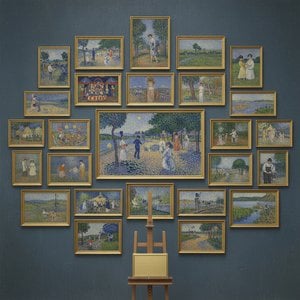
Istražite 25 remek-dela Žorža Seurea i uronite u svet tačizma i impresionističke revolucije. Otkrijte priče iza slika, tehnike i inspiraciju ovog francuskog umetnika. Reprodukcije vrhunskog kvaliteta dostupne na WahooArt.com!

Delve into the profound legacy of Saint George through art history. Explore iconic masterpieces by Raphael and Dürer, decoding the iconography of the dragon legend. Discover scholarly insights and bring these timeless tales to life with our museum-quality, hand-painted oil reproductions.
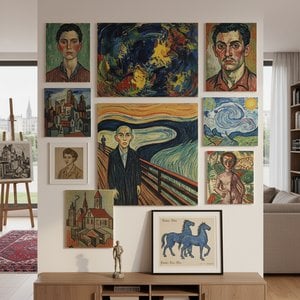
Otkrijte 10 remek-dela ekspresionizma! Uronite u svet Edvarda Muncha, Ernsta Ludwiga Kirchnera i drugih. Istaknute umetničke slike, intenzivne boje i emocionalni izraz. Pronađite inspiraciju za svoj enterijer na WahooArt.com – vrhunski izbor reprodukcija slika!

Discover the raw emotion of Symbolic Expressionism. Our expert guide explores how masters like Munch use color and form to convey inner feelings, offering inspiration for collectors looking to bring powerful, soulful art into their modern homes.

Istražite 25 remek-dela Georges Braquea, pionira kubizma. Otkrijte priče iza slika, tehnike i inspiraciju za dizajn enterijera. Reprodukcije vrhunskog kvaliteta dostupne na WahooArt.com! Pronađite savršeno umetničko delo online.
 Pregledaj u prostoru
 Pošalji
 Podeli
 Detalji o delu
 Vodič
Vodič

 Preuzmi
 Slični predmeti
 Rendgenski snimak
 Automatska prezentacija
 Pitanja i odgovori
 Statistika

 Pročitaj više









 Opcija sa staklom dostupna je samo za dimenzije manje od 110 cm


