

Umetničko delo prikazano na ovoj stranici zaštićeno je autorskim pravima, što znači da zakonski nismo u mogućnosti da kreiramo niti prodajemo identičnu reprodukciju. Ova zaštita se sprovodi u skladu sa međunarodnim sporazumima kao što su Bernska konvencija i nacionalnim zakonima, uključujući i one koji su definisani u Američki zakon o autorskom pravu – Naslov 17.
Ovaj metod je u potpunosti usklađen sa regulativama o autorskim pravima jer ne podrazumeva kopiranje ili dupliranje zaštićenih umetničkih dela. Umesto toga, reč je o kreativnoj reinterpretaciji – novom slikarskom delu koje je inspirisano originalom, ali nije identično njemu.
Giclée štampa ili print na platnu muzejskog kvaliteta uz brzu izradu i raznovrsne opcije završne obrade. ( Kupite ručno oslikano delo Pređi na digitalnu sliku)





























Izaberite jednu od naših unapred definisanih veličina koje odgovaraju originalnim proporcijama umetničkog dela.

Unesite željenu širinu i visinu kako bi se štampa uklopila u vaš ram ili zid. Štampu je moguće samo iseći, ali nikada povećati iznad dimenzija originalne slike, stoga format sa drugačijim proporcijama uzrokuje gubitak dela slike. Pre početka štampe, poslaćemo vam digitalni prikaz radi potvrde. Slika prikazana na ovoj stranici ne predstavlja stvarni isrez — to pokazuje samo digitalni prikaz.
Dostava širom sveta () za 2 nedelje umesto uobičajenih 4/5 nedelja. (10 новембар)
Bella Matribus Detestata.
Dimenzije reprodukcije
Georges Rouault's “Bella Matribus Detestata” – Beautiful to Mothers, Hated by Mothers – is not merely a depiction of a mother and child; it’s an excavation of profound sorrow, a visceral rendering of vulnerability, and a testament to the artist’s deeply empathetic vision. Completed in 1927, this aquatint, roulette, and drypoint over heliogravure work embodies Rouault's signature style – a deliberate rejection of academic realism in favor of expressive distortion and an intensely emotional response to the human condition. The artwork immediately commands attention with its stark monochrome palette, dominated by shades of gray, black, and white, creating a sense of oppressive weight and quiet desperation.
The composition itself is powerfully simple: a mother and child are presented in a close embrace, their forms rendered with bold, thick lines that convey both solidity and fragility. The architectural element – a suggestion of a doorway or building – subtly frames the scene, adding depth without distracting from the central figures. Rouault’s masterful use of line isn't about precise representation; it’s about channeling emotion directly onto the paper. These aren’t delicate lines meant to capture detail; they are forceful strokes that imbue the mother and child with a palpable sense of suffering.
To fully appreciate “Bella Matribus Detestata,” one must understand Rouault's formative years. Born in Paris in 1871, he experienced firsthand the city’s turbulent history, including the brutal events of the Commune. This early exposure to violence and social unrest profoundly shaped his artistic sensibility, leading him to focus on the marginalized and forgotten – the poor, the sick, and the dying. His mother, a devout Catholic, instilled in him a deep sense of spirituality and compassion, themes that consistently informed his work. Rouault’s apprenticeship in stained glass further influenced his aesthetic; the bold outlines and luminous color fields he employed here are directly reminiscent of medieval artistry, creating a powerful connection to centuries-old traditions.
The title itself – “Bella Matribus Detestata” – is laden with symbolic weight. It’s a fragmented quotation from the Vulgate, referencing the biblical story of Rachel weeping for her children. This immediately establishes a narrative of profound grief and loss. The mother's face, rendered with large, almond-shaped eyes, conveys an overwhelming sense of sadness and despair. Her posture suggests both protection and anguish – she shields her child while simultaneously bearing the burden of their shared suffering. The simplified forms, devoid of realistic detail, contribute to a universality; these figures could represent any mother and child facing hardship, making the artwork profoundly moving and timeless.
Rouault’s technique is characterized by a deliberate contrast between dense shading and lighter highlights, creating a dramatic interplay of light and dark. The aquatint process, in particular, allows for subtle tonal variations that add to the artwork's emotional intensity. His approach wasn’t about meticulous detail; it was about capturing the essence of human emotion through expressive lines and bold color fields. “Bella Matribus Detestata” stands as a pivotal work in Rouault’s oeuvre, solidifying his reputation as one of the most significant figures of Expressionism. It remains a powerful example of how art can confront difficult truths and evoke profound emotional responses – a testament to the enduring power of human empathy.
U delu „Bella Matribus Detestata.”, autor Жорж Руо, umetnički pravac Fauvism susreće eru Modernizam.
Reprodukcija dela „Bella Matribus Detestata.”, autor Жорж Руо preporučuje se za Statement. Ovaj predlog proizilazi iz teme, raspoloženja i boja samog dela.
„Bella Matribus Detestata.“ pripada Fauvism periodu stvaralaštka umetnika Жорж Руо, čije su upečatljive teme obuhvatale medieval stained glass, catholic suffering, faith, parisian social critique, expressionist emotional depth, rouault’s spiritual vision.


1871 - 1958 , Француска
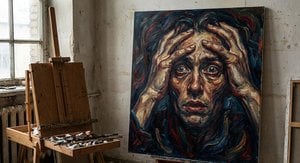
Explore the powerful world of Figurative Expressionism with WahooArt. Discover key artists like Kirchner & Beckmann, understand its emotional depth, and learn how to collect this influential 20th-century art movement.

Explore the raw emotion of Expressionism with WahooArt. Discover its history, key artists like Kirchner & Munch, and lasting influence on modern art. Expert insights for collectors & enthusiasts.
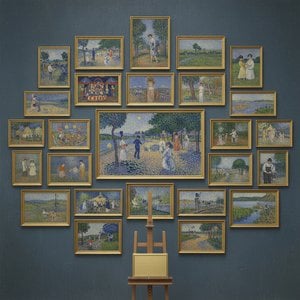
Istražite 25 remek-dela Žorža Seurea i uronite u svet tačizma i impresionističke revolucije. Otkrijte priče iza slika, tehnike i inspiraciju ovog francuskog umetnika. Reprodukcije vrhunskog kvaliteta dostupne na WahooArt.com!

Istražite 25 remek-dela Georges Braquea, pionira kubizma. Otkrijte priče iza slika, tehnike i inspiraciju za dizajn enterijera. Reprodukcije vrhunskog kvaliteta dostupne na WahooArt.com! Pronađite savršeno umetničko delo online.

Discover the raw emotion of Symbolic Expressionism. Our expert guide explores how masters like Munch use color and form to convey inner feelings, offering inspiration for collectors looking to bring powerful, soulful art into their modern homes.
 Pregledaj u prostoru
 Pošalji
 Podeli
 Detalji o delu
 Vodič
Vodič

 Preuzmi
 Slični predmeti
 Rendgenski snimak
 Automatska prezentacija
 Pitanja i odgovori
 Statistika

 Pročitaj više









 Opcija sa staklom dostupna je samo za dimenzije manje od 110 cm


