Oil On CanvasWallArtPost-Impressionism
 188319th Century
 15.0 x 25.0 cm
Ručno oslikano uljanim bojama na platnu u dimenzijama i okviru po vašem izboru, izrađeno po porudžbini od strane naših umetnika. ( Kupi print Kupi digitalnu sliku)





























Izaberite jednu od naših unapred definisanih veličina koje odgovaraju originalnim proporcijama umetničkog dela.

Можете унети сопствене димензије како бисте прилагодили дело одређеном оквиру или простору. Ако одабрана величина не одговара пропорцијама оригинала, слика ће бити исечена или проширена додатним елементима који се ручно насликавају. Дигитални prikaz ће вам бити послат на одобрење пре почетка производње.
Имајте на уму да преглед на екрану не одражава стварно исецање или проширење. Само приказ (mockup) ће тачно приказати коначну композицију.
Иако су доступне прилагођене величине, препоручујемо да одаберете димензију из дефинисане листе како бисте сачували оригиналне пропорције.
Isporuka širom sveta () za 3/4 nedelje umesto uobičajenih 5 nedelja. (6 септембар). Bez kompromisa po pitanju kvaliteta.


Trees, winter
Dimenzije reprodukcije
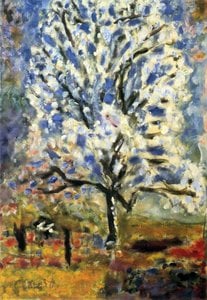
“Trees, Winter,” painted in 1883 by Georges Pierre Seurat stands as a cornerstone of Post-Impressionism—a movement that irrevocably altered the course of artistic expression. More than just a depiction of a snowy forest landscape, this artwork embodies Seurat’s groundbreaking approach to painting: Pointillism, a method rooted in scientific observation and driven by an unwavering desire to capture the essence of visual perception.
Seurat's journey toward artistic innovation began amidst the intellectual ferment of Parisian life. Born in 1859, he benefited from a privileged upbringing fostered by his father’s legal profession and subsequent foray into property speculation—allowing him access to formative art education. Early influences included Impressionism, particularly Monet and Renoir, yet Seurat swiftly recognized limitations within Impressionistic techniques, prioritizing instead the pursuit of optical accuracy.
Unlike Impressionists who blended colors on canvas to create an illusion of luminosity, Seurat meticulously applied tiny dots of pure pigment—primarily complementary hues—onto the surface. This seemingly simple technique demanded exhaustive mathematical calculations and a profound understanding of color theory. Seurat’s meticulous process aimed to stimulate retinal cells, triggering a phenomenon known as chromoluminarism – essentially recreating the way light interacts with surfaces to produce color perception.
"Trees, Winter" transcends mere topographical representation; it speaks to themes of solitude and contemplation amidst the austere beauty of nature. The stark white snow serves as a canvas for Seurat’s masterful rendering of bare branches—a visual metaphor for resilience and enduring strength during periods of dormancy. Furthermore, the muted earth tones contribute to an atmosphere of quiet introspection, inviting viewers to pause and appreciate the subtle nuances of winter light.
Despite its seemingly objective depiction, “Trees, Winter” possesses a palpable emotional depth. Seurat’s unwavering dedication to scientific rigor—combined with his sensitivity to color and texture—creates an artwork that resonates with viewers on a visceral level. It's a testament to the artist’s ability to transform observation into profound artistic expression, securing its place as a timeless masterpiece of Post-Impressionism.


1859 - 1891 , Француска

Explore the vibrant evolution of Post-Impressionism. From Seurat's revolutionary Pointillism to the emotional depth of masters, discover how this movement redefined modern art history through color, structure, and unparalleled creative expression.
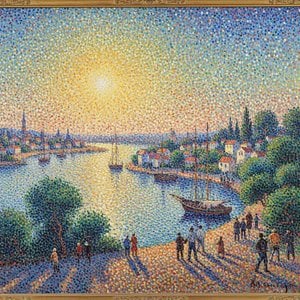
Embark on a sophisticated journey into the luminous world of Neo-Impressionism. Uncover the scientific brilliance of Pointillism, from Georges Seurat’s revolutionary color theory to the mesmerizing magic of the dot. An expert exploration for true art history enthusiasts.

Discover the profound emotional depth of Post-Impressionist landscapes. Explore how masters like Van Gogh revolutionized art through vibrant color, textured impasto, and symbolic expression in this expert guide to the movement that redefined modern art history.

Explore the scientific brilliance of Seurat and Signac. Discover how Pointillism revolutionized color through optical mixing and light, offering a profound look into the Neo-Impressionist movement for true art connoisseurs and collectors.

Explore the transformative era of Post-Impressionism. Discover how masters like Cézanne and Matisse revolutionized color and form, moving beyond Impressionism to shape modern art history through structural innovation and expressive emotion.

 Pregledaj u prostoru
 Pošalji
 Podeli
 Detalji o delu

 Преузми
 Slični predmeti
 Rendgenski snimak
 Slajdovi
 Pročitaj više







 Opcija sa staklom dostupna je samo za dimenzije manje od 110 cm