Biografija umetnika
Život i delo Đorđa Seurata: Pioniр Optičke Preciznosti
Đorđe Pјer Seurat, rođen u Parizu 2. decembra 1859. godine, predstavlja ključnu figuru u prelazu iz impresionizma u moderno umetničko stvaralaštvo. Njegova kratka, ali intenzivna karijera revolucionisala je slikarstvo razvoјem pointilizma, tehnike zasnovane na naučnim principima i neprestanoj potrazi za optičkom istinom. Priča o Seuratu je priča o pažljivom posmatranju, intelektualnoj staloženosti i dubokoj osetljivosti za nijanse svetlosti i boja – kvaliteti koji su ga izdvajali od njegovih savremenika i nastavljaju da fasciniraju publiku širom sveta. Njegov raniji život, iako naizgled konvencionalan, postavio je temelјe za buduće umetničke ekspresije. Porodična kuća preselila se na Bulevar Magenta ubrzo nakon njegovog rođenja, a otac, Anćoa Kristo Seurat, bivši pravni službenik koji je uspešno spekulirao nekretninama, obezbedio je udobno odrastanje koje je mladom Đorđu omogućilo pristup umetničkom obrazovanju. Počeo je formalnu edukaciju u Školi za skulpturu i crtanje pod mentorstvom vajara Žistina Lekijena, nakon čega se upisao na prestižnu školu Le Beau-Žars 1878. godine, gde je učio kod Enрија Lemanа. Ove godine su u njemu utisnule čvrsti temelj tradicionalnih tehnika, a već tada se nazirala jedinstvena umetnička ličnost – spoj nežne osetljivosti i rastuće fascinacije sistematskom analizom.
Od Akademskih Početaka do Hromo-luminarizma
Seuratov umetnički razvoj nije bio nagli skok u inovaciju, već postepena evolucija podstaknuta intelektualnom radoznalošću i rigoroznim eksperimentisanjem. U početku je njegov rad odražavao akademske standarde tog vremena, demonstrirajući veštinu crtanja i poštovanje prema uspostavljenim kompozicijskim principima. Međutim, ubrzo je počeo da dovodi u pitanje ove konvencije, tražeći pristup slikanju koji bi bio naučniji. Uronio se u oblast teorije boja, proučavajući dela naučnika poput Mišela Evžena Ševreula i Odžena Ruda, koji su istraživali optičke efekte međusobno nadopunjujućih boja. Ova istraživanja postala je kamen temelјac njegove revolucionarne tehnike – hromo-luminarizma, nauke o boji, i njene praktične primene, pointilizma. Osnovna ideja bila je jednostavna: nanošenje malih, izrazitih tačkica čiste boje na platno, oslanjajući se na to da će oko posmatrača optički sjediniti te tačke i stvoriti živahni, luminiozni efekat. To nije bilo samo o postizanju svetlijih boja; reč je bila o razumevanju kako vizuelni sistem čoveka percipira svetlost i boju i korišćenje tog znanja da se kreira dinamičnije i privlačnije iskustvo slikanja. Pažljivo se pripremao za svoje velike kompozicije sa crtežima u konté kredama na gruboj površini papira, pažljivo mapirajući poziciju svake tačkice, demonstrirajući gotovo matematičku preciznost u svom umetničkom procesu.
Prepoznatljivi Ostaci: Glavna dela i Umetnička Vizija
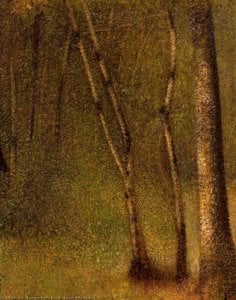
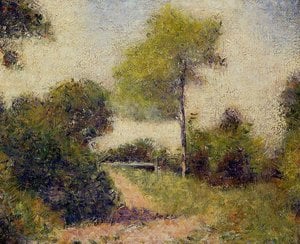
Kulminacija Seuratovih istraživanja i eksperimenata najbolje se ogleda u A Sunday Afternoon on the Island of La Grande Jatte (1884-1886), monumentalnom delu koje je obeležilo početak neoimpresionizma. Ova ikonična slika, koja prikazuje Parižane koji uživaju u opuštenoj popodnevnoj aktivnosti pored Scene, pokazuje njegov pointilistički pristup u punom sjaju. Figure, renderovane kao pažljivo postavljene tačkice boja, deluju kao da prelamaju svetlost i vibriraju, stvarajući atmosferu smirene ćutnje. Alfalfa, Saint-Denis (1886-1887) demonstrira njegovu primenu teorije boja na ruralni pejzaž, dok su ranija dela poput Landscape at Saint-Ouen (1882-1883) pokazuju njegovu razvijajući stil i rastući interes za hvatanje efekata svetlosti i atmosfere. Čak su i prizori modernog pariškog života, kao što je The Eiffel Tower (1889), transformisani putem njegove jedinstvene tehnike, pokazujući skladnu kombinaciju industrijske moderne i umetničke inovacije. Bathers at Asnières (1884), još jedno značajno delo, istraživao je teme razonode i modernog života sa svojim karakterističnim stilom, najavljujući rafiniraniji pristup koji se vidi u *La Grande Jatte*. Ove slike nisu bile samo reprezentacije scena; bile su pažljivo konstruisani vizuelni eksperimenti dizajnirani da istraže mogućnosti boje i percepcije.
Trajni Uticaj: Uticaj i Istorijski značaj
Uprkos tragično kratkom životu – Seurat je umro u dobi od samo 31 godine 1891. godine – njegov uticaj na umetnički svet bio je dubok i sveobuhvatan. Njegovo delo je izazvalo tradicionalne umetničke konvencije, otvarajući put za brojne sledeće pokrete. Naglasak na subjektivnom izrazu i istraživanju novih tehnika rezonirao je sa umetnicima koji su težili da se oslobode akademskih ograničenja. Seuratov uticaj može se videti u delima fauvista, koji su prihvatili jarke boje i ekspresivne poteze kistom; kubista, koji su dekonstruisali oblike u geometrijske figure; i umetnika apstraktnog ekspresionizma, koji su prioritet davali emocionalnoj intenzivnosti i spontanom gestu. Njegov naučni pristup slikanju, iako prvobitno kontroverzan, na kraju je proširio definiciju umetničke mogućnosti. On je pokazao da može biti istovremeno intelektualno rigorozna i emotivno evokativna, sinteza koja nastavlja da inspiriše umetnike danas. Seuratovo nasleđe seže izvan njegovih tehničkih inovacija; ostavio je za sobom niz dela koji hvataju suštinu modernog života s nezabeleženom preciznošću i lepotom, čime je učvrstio svoje mesto kao istinskog pionira moderne umetnosti. Njegove slike ostaju svedočanstva moći posmatranja, eksperimentisanja i večite ljudske želje da razumeju svet oko sebe kroz prizmu umetničkog izraza.



 Pregledaj u prostoru
 Pređi na štampu
 Pošalji
 Podeli
 Detalji o delu

 Преузми
 Slični predmeti
 Rendgenski snimak
 Slajdovi
 Statistika

 Pročitaj više






































 Opcija sa staklom dostupna je samo za dimenzije manje od 110 cm