Pregledaj u prostoru AR pregled Kupite ručno oslikano delo Pređi na digitalnu sliku Pošalji
Detalji o delu Vodič Dodaj u omiljene Preuzmi Slični predmeti Rendgenski snimak Automatska prezentacija Q&A Statistika

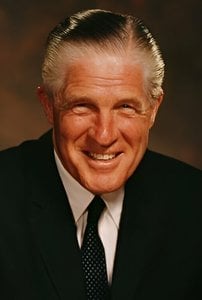
Вилијам Хенри Кавендиш Бентвик

Погледајте дивну портрет Вилијама Хенрија Кавендиша Бентвика од Георге Роминја, познатог британског сликарства из XVIII века. Икона моћи и достојанства у класичном стилу.

George Romney je jedan od najpoznatijih britanskih slikara XVIII stoljeća koji je poznat po svojim elegantnim portretima i dubokom psihološkom uvidu. Njegova umjetnička ostvarenja uključuju slike poznatih ljudi poput Emme Hamilton, koje su inspiracije za njegov stil i prikazivanje klasičkih mitova. Ova umetnost je vredna istorijskog konteksta i nastavlja da fascininjuje publiku danas!

Giclee štampa / Umetnički otisak

Giclée štampa ili print na platnu muzejskog kvaliteta uz brzu izradu i raznovrsne opcije završne obrade. ( Kupite ručno oslikano delo Pređi na digitalnu sliku)

Corner sample of the P118B picture frame: oblikovani polistiren, 5 cm wide and 3 cm thick
P118B дин10
Corner sample of the P118H picture frame: oblikovani polistiren, 5 cm wide and 3 cm thick
P118H дин10
Corner sample of the P118W picture frame: oblikovani polistiren, 5 cm wide and 3 cm thick
P118W дин10
Corner sample of the P438Z picture frame: oblikovani polistiren, 5.5 cm wide and 3.5 cm thick
P438Z дин10
Corner sample of the P508JH picture frame: oblikovani polistiren, 7 cm wide and 3.5 cm thick
P508JH дин12
Corner sample of the P508YH picture frame: oblikovani polistiren, 7 cm wide and 3.5 cm thick
P508YH дин12
Corner sample of the P805H picture frame: oblikovani polistiren, 5 cm wide and 3.5 cm thick
P805H дин10
Corner sample of the P805Z picture frame: oblikovani polistiren, 5 cm wide and 3.5 cm thick
P805Z дин10
Corner sample of the P919BZ picture frame: oblikovani polistiren, 7 cm wide and 3.5 cm thick
P919BZ дин10
Corner sample of the P919G picture frame: oblikovani polistiren, 7 cm wide and 3.5 cm thick
P919G дин10
Corner sample of the P919XJ picture frame: oblikovani polistiren, 7 cm wide and 3.5 cm thick
P919XJ дин10
Corner sample of the P959ZH picture frame: oblikovani polistiren, 5 cm wide and 3 cm thick
P959ZH дин10
Corner sample of the P968JZ picture frame: oblikovani polistiren, 6 cm wide and 4 cm thick
P968JZ дин12
Corner sample of the W106C picture frame: masivno drvo, 5 cm wide and 3 cm thick
W106C дин8
Corner sample of the W218G picture frame: masivno drvo, 5 cm wide and 3 cm thick
W218G дин10
Corner sample of the W218JH picture frame: masivno drvo, 5 cm wide and 3 cm thick
W218JH дин8
Corner sample of the W218Y picture frame: masivno drvo, 5 cm wide and 3 cm thick
W218Y дин10
Corner sample of the W307PJ picture frame: masivno drvo, 6 cm wide and 3 cm thick
W307PJ дин10
Corner sample of the W316G picture frame: masivno drvo, 6 cm wide and 3 cm thick
W316G дин10
Corner sample of the W316PJ picture frame: masivno drvo, 6 cm wide and 3 cm thick
W316PJ дин8
Corner sample of the W316Y picture frame: masivno drvo, 6 cm wide and 3 cm thick
W316Y дин10
Corner sample of the W398PJ picture frame: masivno drvo, 5 cm wide and 3 cm thick
W398PJ дин8
Corner sample of the W4111J picture frame: masivno drvo, 6.5 cm wide and 3.5 cm thick
W4111J дин10
Corner sample of the W500HY picture frame: masivno drvo, 7 cm wide and 5 cm thick
W500HY дин15
Corner sample of the W500JH picture frame: masivno drvo, 7 cm wide and 5 cm thick
W500JH дин15
Corner sample of the W692G picture frame: masivno drvo, 8 cm wide and 4 cm thick
W692G дин12
Corner sample of the W849H picture frame: masivno drvo, 5 cm wide and 3 cm thick
W849H дин8
Corner sample of the W940BG picture frame: masivno drvo, 7.5 cm wide and 4.5 cm thick
W940BG дин15
Corner sample of the W953PJ picture frame: masivno drvo, 6 cm wide and 3.5 cm thick
W953PJ дин8

Standardne dimenzije
po meri
CM
INCH

Izaberite jednu od naših unapred definisanih veličina koje odgovaraju originalnim proporcijama umetničkog dela.

širina
visina

Unesite željenu širinu i visinu kako bi se štampa uklopila u vaš ram ili zid. Štampu je moguće samo iseći, ali nikada povećati iznad dimenzija originalne slike, stoga format sa drugačijim proporcijama uzrokuje gubitak dela slike. Pre početka štampe, poslaćemo vam digitalni prikaz radi potvrde. Slika prikazana na ovoj stranici ne predstavlja stvarni isrez — to pokazuje samo digitalni prikaz.

Dostava širom sveta () za 2 nedelje umesto uobičajenih 4/5 nedelja. (31 октобар)

Besplatna ekspresna dostava širom sveta
Visokokvalitetno laneno platno
Potpuno osiguranje transporta
Garancija povraćaja carine i uvoznih dažbina
Garancija vernosti boja
Politika povraćaja u roku od 100 dana (samo u slučaju nedostataka)
Garancija povrata 100% novca
Popust na više proizvoda

Ukupna cena

дин 7067

Вилијам Хенри Кавендиш Бентвик

Giclee štampa / Umetnički otisak

Dimenzije reprodukcije

-

Ukupna cena

дин 7067

Osnovne informacije

  • Notable elements or techniques: Detaljno prikazivanje tkanine i zlatne aplikacije
  • Year: 1799
  • Influences: Klasicizam
  • Medium: Oil on canvas
  • Artist: George Romney

Kviz o umetnosti

Svako pitanje ima samo jedan tačan odgovor.

Pitanje 1:
Који стил слике карактеристичан је за период који је био преко слике?
Pitanje 2:
Када је портрет направљен?
Pitanje 3:
Који симболи су присутни у слици?
Pitanje 4:
Како је осветљена слика?
Pitanje 5:
Како је Георге Ромео прилагодио технику слике?

William Henry Cavendish Bentinck: A Portrait of Power and Dignity by George Romney

William Henry Cavendish Bentinck je izdanje koje je vredno pažnje svih ljubitelja umetnosti, kolekcionara i dekoratora interijera. Ovaj impresionantan portret od strane Đorđa Romneya prikazuje Vilijama Henrija Kavendisha Bentinka (1738–1809), trećeg vojvodu od Portlanda – jednu od najvažnijih ličnosti britanske istorije. On je bio značajan političar, obavljao odgovorne funkcije kao Premijer i Kanclor Univerziteta Oxford, što reflektuje njegov uticaj u društvu Georgijskog Engleskog doba. A Masterpiece of 18th-Century Portraiture Romneyev stil je karakterističan za svoju epohu, naglašavajući realizam i pažnju na detalje. Tehniku umetnika su koristili uljane boje koje su se postupno nanosile kako bi se precizno prikazale teksture – od glatkih tonova kože do bogatih tkanina Dukovog odeće. Kompozicija poštuje tradicionalne konvencije portreta, centrirajući subjekt u okvir i korišćavajući lagani ugao položaja kako bi se prenela dinamika. Ovaj umetnički pristup je rezultat dubokog poznavanja istorijskog konteksta i umetničkih tehnika tog vremena. Composition & Lighting: The painting follows a classic arrangement, placing the Duke centrally against a dark, undifferentiated background that isolates and highlights him. Light emanates from the left, illuminating his face and clothing while casting the background in shadow, creating a dramatic effect and emphasizing his presence. Strong vertical lines define his figure and garments, contributing to an overall sense of formality and authority. Symbolism and Historical Context Portret je oslikan oko 1799. godine i odražava značajne istorijske promene u Britaniji. Dukov angažman u Whig i Tory politici stavlja ovaj umetnički predmet u kontekst političke borbe koja je oblikovala britansku istoriju. Portreti iz tog vremena često služe kao sredstvo komunikacije vrednosti i ideologija koje su vladale društvom. Kako umetnici pokušavaju da prijate svoj pogled na svet, oni koriste simboliku kako bi dodali dubinu svojim delima. Royal Symbolism: The crown atop the Duke’s head immediately signifies his noble status and connection to royalty. His elaborate clothing – including a red-hued coat with gold embroidery, a sash, and a powdered wig – further underscores his wealth, power, and social standing within Georgian England. Romney je bio poznat po svojoj sposobnosti da oslika složene emocije i psihološke karakteristike svojih modela, što je posebno evidentno u ovom umetničkom delu. Historical Significance: Painted around 1799, the portrait reflects a period of significant political change in Britain. The Duke’s involvement in Whig and Tory politics places this artwork within a context of intense debate about governance and social reform. Romneyev pristup umetnosti je bio inovativan za svoju epohu i ostavio nezaboravno mesto u istoriji umetnosti.
  • Detaljno oslikanje tekstura kože i tkanina:
  • Dramatic lighting emphasizing the Duke’s prominence:
  • Symbolic use of the crown and opulent attire:
Romneyev umetnički stil je bio poznat po svojoj kombinaciji realizma i estetike, što je učinilo ovaj portret nezamenjivom vrednosti za kolekcionare i ljubitelje umetnosti. Ova reprodukcija omogućava vam da užvate u lepoti ovog klasika umetnosti iz udobja svog doma ili kancelarije.

Pitanja i odgovori

Koliko su intenzivne boje dela "Вилијам Хенри Кавендиш Бентвик"?

Boje dela „Вилијам Хенри Кавендиш Бентвик”, autor Џорџ Ромејн odlikuju se Ubledelo zasićenosti i Monohromatski intenzitetom.

Da li je "Вилијам Хенри Кавендиш Бентвик" slobodan od autorskih prava?

„Вилијам Хенри Кавендиш Бентвик”, autor Џорџ Ромејн pripada u javnom vlasništvu – autorska prava su istekla. Ovaj status određuje način na koji se slika dela može reprodukovati.

Koja je paleta boja u delu "Вилијам Хенри Кавендиш Бентвик"?

Paleta dela „Вилијам Хенри Кавендиш Бентвик”, autor Џорџ Ромејн opisana je kao Monohromatsko, što predstavlja sažet prikaz boja ovog umetničkog dela.


Biografija umetnika

A Life in Portraiture: The World of George Romney

Born in the picturesque landscape of Dalton-in-Furness, Lancashire, on December 15th, 1734, George Romney ascended to become one of the most sought-after portrait painters of his era. His journey from a cabinet maker’s son to the favored artist of British high society is a compelling narrative of innate talent and unwavering ambition. Early life offered little indication of the artistic path he would forge; initially apprenticed to his father, it was an inherent inclination towards drawing and craftsmanship that led him to Christopher Steele, a local portraitist who had studied in Paris. This apprenticeship proved pivotal, providing Romney with foundational skills and an introduction to European artistic traditions. He quickly surpassed his master, however, demonstrating a precocious talent demanding further cultivation. A brief, unhappy marriage and subsequent separation propelled him towards London in 1762, a city brimming with opportunity but also fierce competition.

Establishing a Reputation: Style and Technique

London proved to be a crucible for Romney’s artistic development. He swiftly established himself as a formidable portraitist, challenging the dominance of artists like Thomas Gainsborough and Sir Joshua Reynolds. While he never sought membership in the Royal Academy – a decision that perhaps limited his access to certain patronage – his success was undeniable. Romney's style evolved over time, initially reflecting the influence of Steele and his Parisian training, but soon blossomed into something distinctly his own. He possessed an exceptional ability to capture not merely the likeness, but also the personality and social standing of his sitters. His portraits are characterized by elegant poses, a refined use of light and shadow, and a subtle psychological insight that set him apart. Romney’s technique was marked by a delicate touch and a preference for flowing lines, often drawing inspiration from classical sculpture. He skillfully employed color to convey texture and depth, creating portraits that were both visually striking and emotionally resonant. His ability to flatter his subjects while maintaining artistic integrity earned him the loyalty of an elite clientele. He understood the power of suggestion, hinting at character rather than explicitly defining it, a quality that appealed to those who valued discretion and refinement. Romney’s meticulous attention to detail—the subtle folds of fabric, the delicate rendering of skin tones—demonstrated his mastery of observation and artistic execution.

The Muse and Her Influence: Emma Hamilton

Romney’s life took a dramatic turn with his encounter with Emma Hart, later known as Lady Hamilton, in 1782. She became not only his most celebrated model but also his muse, profoundly influencing his artistic output. Emma's beauty, intelligence, and theatrical flair captivated Romney, inspiring a series of portraits that explored themes of classical mythology, dramatic narrative, and feminine grace. He depicted her in various roles – as a spinner, as the tragic Miranda from Shakespeare’s *The Tempest*, and in numerous allegorical scenes that showcased her expressive range. These works demonstrate Romney's willingness to experiment with composition and symbolism, moving beyond conventional portraiture into more imaginative territory. The Tempest series, in particular, reveals a Romantic sensibility at play, anticipating the emotional intensity of later artists. The relationship was intense and all-consuming for Romney, though ultimately unfulfilled romantically; Emma eventually became the mistress of Lord Nelson, a union that cemented her place in history. Nevertheless, their artistic collaboration left an indelible mark on both their lives and produced some of Romney’s most enduring masterpieces. He painted over 80 portraits of her, each revealing a different facet of her captivating personality. The dynamism captured in these canvases—Emma's animated gaze, the movement of her drapery—contrasted sharply with the static formality often found in earlier portraiture.

Notable Works and Artistic Legacy

Romney’s oeuvre encompasses a diverse range of subjects, reflecting his versatility as an artist. Among his most celebrated paintings are *Peter and James Romney*, depicting his brothers, showcasing his ability to portray familial bonds with tenderness and accuracy. He also produced portraits of prominent figures in British society, including Sir Thomas Lawrence and William Hogarth, demonstrating his understanding of social conventions and artistic ambition. Furthermore, he created striking depictions of historical events—such as *The Death of General Wolfe*, commemorating a pivotal moment in British military history—demonstrating his commitment to capturing grandeur and conveying emotion through visual storytelling. His masterful handling of light and color elevated these works beyond mere likenesses, transforming them into powerful expressions of artistic vision. Romney’s influence extended far beyond his own lifetime, inspiring subsequent generations of painters who admired his technique and embraced his Romantic aesthetic. He remains a significant figure in the history of art, a master portraitist who captured the spirit of an age and left behind a body of work that continues to captivate and inspire. His legacy is secured not only by the beauty of his paintings but also by their enduring psychological insight—a testament to Romney’s profound understanding of human character and emotion. ## Historical Significance: A Reflection of Georgian Society George Romney's portraits offer invaluable insights into the lives and tastes of the British elite during the Georgian era (1714-1830). They depict individuals engaged in social activities—dinner parties, theatrical performances, promenades—providing a vivid panorama of aristocratic life. Romney’s depictions capture not only physical appearances but also inner states of mind, conveying emotions such as joy, melancholy, and contemplation. These portraits serve as documents of fashion, décor, and social customs, reflecting the prevailing aesthetic sensibilities of the time. Moreover, Romney's work engages with themes of mythology and allegory—particularly evident in his series on *The Tempest*, which explores ideas of heroism, tragedy, and redemption—demonstrating his intellectual curiosity and artistic ambition. He was a pioneer in portraying women with dignity and nuance, challenging conventional representations of femininity and elevating Emma Hamilton to the status of an iconic muse. Romney’s contribution to British art is undeniable; he helped establish a new standard for portraiture, prioritizing psychological depth and artistic expression alongside accurate likenesses. His paintings continue to resonate today because they capture something essential about human experience—the complexities of emotion, the beauty of form, and the enduring power of imagination.

Џорџ Ромејн

Џорџ Ромејн

1734 - 1802 , United Kingdom

Osnovne informacije

  • Artistic Movement Or Style: Портретистика, Романтизам
  • Artists Or Movements Influenced By This Artist: ['Британски портретисти']
  • Artists Who Influenced This Artist:
    • Христофор Стиел
    • Карле Ванлоу
    • Рафаел
    • Тицијан
  • Date Of Birth: Децембар 15, 1734
  • Date Of Death: Нов септембар 15, 1802
  • Full Name: George Romney
  • Nationality: Британски
  • Notable Artworks:
    • Питер и Јамес Ромињи
    • Портрет Г. Копер
    • Смрт генерала Воле
    • Госпођинја Кардвајн и син
  • Place Of Birth: Далтон-ин-Фурнес, УК
Istražite umetnička dela organizovana prema temama, stilovima i karakteristikama.