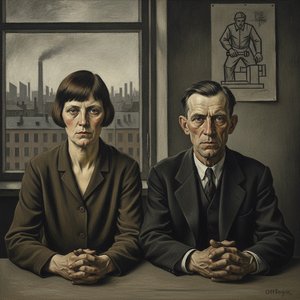
Satiričar Rušenih Svetova: Život i Umjetnost Džordža Groša
Džordž Gros, rođen kao Georg Ehrenfried Groß u Berlinu 1893. godine, bio je vizuelni hroničar društvenog propadanja i političkih previranja. Njegova umjetnost nije bila samo *dio* svog vremena – burnih Weimarske Republike i uspona fašizma – već visceralna reakcija na njega, žestoka optužnica izražena oštrim linijama i grotesknim karikaturama. Gros nije jednostavno prikazivao Berlin; on ga je rastavljao, otkrivajući njegovu moralnu trulež bez zadrške. Rani dani njegovog života obeležena su nestabilnošću nakon smrti oca, što je njegovu majku nateralo da upravlja oficirskim klubom, postavljajući mladog Georga u svet pruskog militarizma i rigidnih društvenih hijerarhija – svet koji će kasnije nemilosrdno satrirati. Njegovo formalno umjetničko obrazovanje započelo je pedantnim kopijama tradicionalnih holandskih majstora poput Eduarda von Grütznera, usavršavajući tehničke veštine pre nego što je napustio akademske konvencije za mnogo provokativniji put. Ta rano stečena disciplina, ipak, pružila je temelj na kome će se izgraditi njegov jedinstveni izražajni stil.
Dadaizam, Nova Objektivnost i Rođenje Kritičkog Vida
Grosov umjetnički razvoj bio je neraskidivo povezan sa avangardnim pokretima koji su procvetali u posratnoj Nemačkoj. Postao je centralna figura berlinskog Dadaizma, prihvatajući njegov nihilistički duh i antietablišmentsku žestinu. Međutim, za razliku od nekih svojih dadaističkih savremenika koji su uživali u čistoj apsurdnosti, Gros je usmerio buntovnu energiju Dadaizma u oštru društvenu kritiku. Njegovi radovi iz tog perioda – dela poput *Jame* (1921) i *Stubova Društva* (1926) – su žarke optužnice nemačke buržoazije, vojne elite i korumpiranog političkog sistema koji je doveo naciju do katastrofe. Njemu nije bila važna estetska lepota; tražio je da šokira, provocira i razotkriva licemerje. Ta posvećenost društvenoj kritici evoluirala je u njegovo učešće u *Novoj Objektivnosti* (Neue Sachlichkeit), pokretu karakterizovanom realističkim, ali nesentimentalnim prikazom savremenog života. Iako je delio fokus Nove Objektivnosti na realizam, Gros ga je obogatio jedinstvenom gorčinom koja ga je razlikovala od drugih umetnika povezanih sa grupom. Njegove slike i crteži nisu bili samo reprezentacije stvarnosti; to su bili izobličeni odrazi društva koje se urušava.
Egzil i Transformacija: Novi Svet, Promenjeni Stil
Uspon nacizma naterao je Groša u egzil 1933. godine. Pronašao je utočište u Sjedinjenim Državama, gde je postao državljanin 1938. godine. Ta relokacija obeležila je značajnu prekretnicu u njegovoj umjetničkoj karijeri. Uklonjen iz neposrednog konteksta koji je podsticao njegov najsnažniji rad i suočen sa drugačijim skupom društvenih i političkih stvarnosti, Grosov stil je počeo da se menja. Overtno agresivne karikature ustupile su mesto smirenijim pejzažima i portretima, često obojenim osećajem melanholije i razočaranja. Iako je nastavio da izlaže i predaje na Art Students League u Njujorku, njegov rad nije imao sirovu energiju berlinskog perioda. Borio se da pronađe svoje mesto u novoj sredini, suočavajući se sa osećajima otuđenosti i umjetničke nesigurnosti. Apokaliptični vizioni koji su se pojavili tokom tog vremena – slike pustih pejzaža i fragmentiranih figura – odražavali su ne samo užase koji su se odvijali u Evropi, već i njegovu sopstvenu unutrašnju borbu.
Nasleđe i Trajna Relevantnost
Džordž Gros se vratio u Berlin 1959. godine, nedugo pre smrti, dirljiv povratak gradu koji ga je inspirisao i proganjao. Njegovo nasleđe prevazilazi istorijski kontekst Weimarske Nemačke. On ostaje moćan primer umetnika koji se usudio da suoči neprijatne istine i ospori društvene norme.
- Satirična Moć: Grosova majstorija u upotrebi karikature nastavlja da inspiriše umjetnike i komentatore danas.
- Društvena Kritika: Njegova neustrašiva kritika društvenih mana ostaje iznenađujuće relevantna u svetu koji se još uvek bori sa nejednakostima, korupcijom i političkom polarizacijom.
- Istorijski Svedok: Njegova umjetnost pruža dragocen uvid u društvenu i političku klimu međuratne Nemačke, nudeći visceralno razumevanje snaga koje su dovele do Drugog svetskog rata.
Grosov uticaj se može videti u radovima mnogih umetnika koji su sledili, onih privučenih njegovom posvećenošću društvenoj angažovanosti i spremnošću da koristi umjetnost kao oružje protiv nepravde.
Nije bio samo umetnik; bio je svedok, savest i neumorni kritičar svog vremena – uloga koja nastavlja da rezonira sa publikom danas. Njegove slike se čuvaju u velikim muzejima širom sveta, uključujući Kunstsammlungen und Museen Augsburg, Kunsthalle Bielefeld i Whitney Museum of American Art, osiguravajući da će njegova snažna poruka nastaviti da bude slušana generacijama koje dolaze.



 Pregledaj u prostoru
 Kupi ručno naslikanu sliku
 Pošalji
 Podeli
 Detalji o delu

 Преузми
 Slični predmeti
 Rendgenski snimak
 Slajdovi
 Statistika

 Pročitaj više






































 Opcija sa staklom dostupna je samo za dimenzije manje od 110 cm