**život posvećen umetničkom istraživanju**
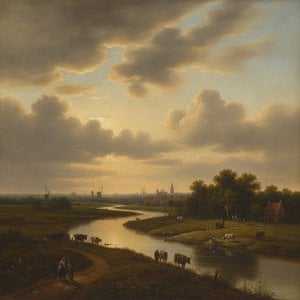
Gabrijel Metsu, holandski slikar iz Nizozemske, vodio je život obeležen umetničkim istraživanjem i inovacijama. Rođen 1629. godine, Metsuovo delo je oličilo duh holandskog zlatnog doba, perioda poznatog po svom obilnom umetničkom stvaralaštvu. Ova biografija istražuje život i dela ove enigmatične ličnosti, čiji doprinos svetu umetnosti i danas fascinira posmatrače.
**rani život i uticaji**
Metsu je rođen 1629. godine kao sin Žaka Metsua, tapetera i slikara koji je prvobitno dolazio iz Hainauta. Ovakva eklektična pozadina verovatno je uticala na Gabrijelovo rano interesovanje za različite umetničke tehnike. Selidba porodice u Lejden, gde je Metsu odrastao, izložila ga je raznim kulturnim uticajima koji će oblikovati njegov talenat.
**umetnička karijera**
Metsuova karijera bila je obeležena odbijanjem prihvatanja samo jednog stila ili tehnike, zbog čega je dobio naziv „veoma eklektični umetnik“. Njegov rad je obuhvatao istorijske slike, mrtvu prirodu, portrete i žanrovske scene. Zanimljivo je da je samo 14 od njegovih 133 dela precizno datirano, što ostavlja mnogo toga neotkrivenog o njegovom kreativnom procesu.
- Uticaj Rembranta van Rijna na Metsuovo rano delo očigledan je, naročito u njegovoj upotrebi svetlosti i boje.
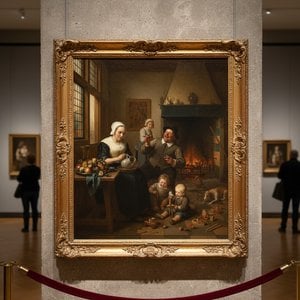
- Metsuovo preseljenje u Amsterdam 1655. godine označilo je značajnu promenu u njegovom stilu, sa većim naglaskom na unutrašnje enterijere i žanrovske prizore.
- Njegovo povezivanje sa umetničkom zajednicom odražava se kroz rad sa umetnicima kao što su Mihil van Mušer i Jost van Hel.
**istaknuta dela i nasleđe**
Metsuove slike često su prikazivale mlade žene, trgovačke scene i starce, crpeći inspiraciju iz popularnih simbola tog vremena. Istaknut primer je
Prodavnica živine, koja demonstrira njegovu veštinu korišćenja simbolizma.
Ključna dela: **muzeji i kolekcije**
Metsuova dela mogu se pronaći u različitim muzejima, uključujući Rijksmuseum u Amsterdamu. Za više informacija o njegovoj umetnosti i istraživanje drugih slikara holandskog zlatnog doba, posetite /sr/art/show/art-d3c627-sr/ za sveobuhvatan pregled.
Zaključak: Život i umetnost Gabrijela Metsua svedočanstvo su inovativnog duha holandskog zlatnog doba. Njegov eklektični stil, iako ponekad enigmatičan, ostavio je neizbrisiv trag u svetu umetnosti. Dok nastavljamo da otkrivamo više o njegovom životu i delima, podsećani smo na duboki uticaj koji je imao na razvoj zapadne umetnosti.
- Za dublje razumevanje holandskog zlatnog doba, pogledajte [https://en.wikipedia.org/wiki/dutch_golden_age_painting](https://en.wikipedia.org/wiki/dutch_golden_age_painting).
- Istražite više Metsuovih dela i dela njegovih savremenika na [https://WahooArt.com/@/gabriel-metsu](https://WahooArt.com/@/gabriel-metsu).
**reference:**



 Pregledaj u prostoru
 Pređi na prodaju štampanih primeraka
 Podeli
 Podeli
 Detalji
 Vodič
Vodič

 Preuzmi sliku
 Slični predmeti
 Rendgenski snimak
 Automatska prezentacija
 Statistika

 Pročitaj više






































 Opcija sa staklom dostupna je samo za dimenzije manje od 110 cm