x
Pregledaj u prostoruPregledaj u prostoru AR pregledAR pregled Kupi ručno naslikanu sliku Kupi ručno naslikanu slikuKupi digitalnu sliku Kupi digitalnu sliku PošaljiPošalji
Detalji o deluDetalji o delu Dodaj u omiljene Dodaj u omiljene ПреузмиПреузми Slični predmetiSlični predmeti Rendgenski snimakRendgenski snimak SlajdoviSlajdovi

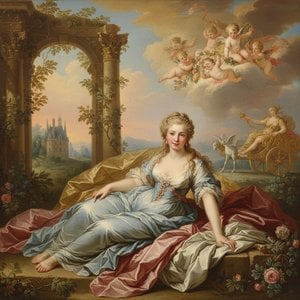
Crossing the Bridge

Experience the idyllic beauty of François Boucher's 'Crossing the Bridge,' a captivating Rococo masterpiece depicting a woman and her horse traversing a castle-studded landscape.

Otkrijte François Bouchera (1703-1770), majstora Rokoko umetnosti! Istražite njegove senzualne slike – mitološke scene, portrete i idilične pejzaže – koji definišu francusku umetnost 18. veka. Poznat po radovima za Madam de Pompadur.

Giclee štampa / Umetnički otisak

Giclée štampa ili print na platnu muzejskog kvaliteta uz brzu proizvodnju i fleksibilne opcije završne obrade. (Kupi ručno naslikanu sliku Kupi ručno naslikanu slikuKupi digitalnu sliku Kupi digitalnu sliku)

P118B $10
P118H $10
P118W $10
P438Z $10
P508JH $12
P508YH $12
P805H $10
P805Z $10
P919BZ $10
P919G $10
P919XJ $10
P959ZH $10
P968JZ $12
W106C $8
W218G $10
W218JH $8
W218Y $10
W307PJ $10
W316G $10
W316PJ $8
W316Y $10
W398PJ $8
W4111J $10
W500HY $15
W500JH $15
W692G $12
W849H $8
W940BG $15
W953PJ $8

Standardne dimenzije
po meri
CM
INCH

Izaberite jednu od naših unapred definisanih veličina koje odgovaraju originalnim proporcijama umetničkog dela.

širina
visina

Možete uneti sopstvene dimenzije kako biste umetničko delo prilagodili specifičnom okviru ili prostoru. Ako odabrani format ne odgovara proporcijama originalne slike, mi ćemo ili iscrtati deo dela ili proširiti sliku pomoću ogledane ivice ili jednobojnog popunjavanja. Digitalni prikaz će vam biti poslat na odobrenje pre početka proizvodnje.
Imajte na umu da pregled na ekranu ne odražava stvarno iscrtavanje ili proširivanje. Samo će prikaz (mockup) precizno pokazati finalnu kompoziciju.
Iako su prilagođene dimenzije dostupne, preporučujemo da odaberete dimenziju sa unapred definisane liste kako biste očuvali originalne proporcije.

Dostava širom sveta () za 2 nedelje umesto uobičajenih 4/5 nedelja. (30 август)

why_choose_icon
Besplatna ekspresna dostava širom sveta
why_choose_icon
Visokokvalitetno laneno platno
why_choose_icon
Kompletno osiguranje transporta
why_choose_icon
Garancija povraćaja carine i uvoznih dažbina
why_choose_icon
Garancija vernosti boja
why_choose_icon
Politika povrata u roku od 60 dana (samo u slučaju nedostataka)
why_choose_icon
Garancija povrata novca od 100%
why_choose_icon
Popust pri grupnoj kupovini

Ukupna cena

$ 68

reproduction

Crossing the Bridge

Giclee štampa / Umetnički otisak

Dimenzije reprodukcije

-

Konačna cena

$ 68

Osnovne informacije

  • Subject or theme: Rural idyll
  • Location: Musée du Louvre, Paris
  • Title: Crossing the Bridge
  • Notable elements or techniques: Pastoral landscape; Decorative painting
  • Influences:
    • Jean Oudry
    • Nicolas Lancret
  • Artist: François Boucher
  • Movement: Rococo

Kviz o umetnosti

Svako pitanje ima samo jedan tačan odgovor.

Pitanje 1:
What artistic style is most closely associated with François Boucher’s ‘Crossing the Bridge’?
Pitanje 2:
The inclusion of cows in the painting primarily reflects:
Pitanje 3:
What technique did Boucher employ to create a sense of depth and realism in ‘Crossing the Bridge’?
Pitanje 4:
The castle in ‘Crossing the Bridge’ serves primarily as:
Pitanje 5:
In what year was ‘Crossing the Bridge’ painted?

A Pastoral Dream in Pastel: The Enchantment of Crossing the Bridge

In the soft, luminous glow of the 18th century, few artists captured the ephemeral beauty of a summer afternoon as masterfully as François Boucher. His work, "Crossing the Bridge," serves as a breathtaking window into the Rococo era—a period defined by an unapologetic pursuit of grace, leisure, and aesthetic delight. At first glance, the viewer is transported to an idealized countryside, where the stresses of urban life dissolve into a tranquil tableau of pastoral serenity. A woman, moving with effortless poise, leads her horse and sheep across a weathered stone bridge, her journey mirrored by the slow, rhythmic presence of grazing cows and a watchful dog. This is not merely a landscape; it is a carefully orchestrated symphony of movement and stillness, designed to evoke a sense of profound peace and aristocratic nostalgia.

< p>The composition itself is a masterclass in balance and visual storytelling. Boucher employs a sophisticated pyramidal structure, anchoring the eye with the imposing silhouette of a majestic castle perched atop a distant hillside. This architectural weight provides a sense of permanence that contrasts beautifully with the fleeting, delicate nature of the foreground elements. The bridge acts as more than just a physical path; it serves as a narrative conduit, guiding the observer’s gaze from the intimate details of the animals and the traveler toward the grand, aspirational heights of the fortress. Through this clever arrangement, Boucher creates a sense of depth that invites the viewer to step into the canvas, wandering through the lush greenery and feeling the warmth of the sun-drenched landscape.

Technique and the Radiance of Rococo Light

To behold "Crossing the Bridge" is to witness the pinnacle of Rococo technique. Boucher was a virtuoso of trompe l'oeil effects, utilizing meticulous layering of pigments to breathe life into textures that feel almost tactile. One can almost sense the coarse wool of the sheep, the sturdy grain of the stone bridge, and the velvet softness of the meadow grass. His palette is famously ethereal, dominated by a romantic spectrum of pinks, peaches, and lavenders. These pastel hues do not merely decorate the scene; they bathe it in an atmospheric light that softens the edges of reality, creating a dreamlike quality that is both captivating and soothing.

The artist’s brushwork remains a subject of profound admiration for collectors and historians alike. While his strokes are delicate enough to capture the subtle gradations of a cloud or the gentle ripple of water, they possess an underlying confidence that lends the scene its vitality. This balance between precision and fluidity is what allows the painting to transcend mere imitation of nature, instead offering an elevated, idealized version of it. For the interior designer or the discerning art lover, this piece offers a unique opportunity to introduce a sense of historical grandeur and luminous warmth into a space, acting as a focal point that radiates elegance and timeless charm.

A Legacy of Elegance for the Modern Collector

Beyond its aesthetic brilliance, "Crossing the Bridge" carries the weight of historical significance. Created in 1730, during the reign of Louis XV, the painting reflects the cultural values of a society that found beauty in the pastoral and the idyllic. The inclusion of livestock is not merely incidental; it pays homage to the agricultural foundations of French life, reimagined through a lens of aristocratic refinement. It is a celebration of a world where nature and civilization exist in perfect, harmonious equilibrium.

For those seeking to adorn their homes or galleries with works of profound emotional impact, a high-quality reproduction of this Boucher masterpiece offers more than just decoration. It provides an infusion of culture and a constant reminder of the enduring power of beauty. Whether placed in a sunlit morning room or a sophisticated study, "Crossing the Bridge" continues to inspire awe, offering a quiet sanctuary of color and light that remains as relevant and enchanting today as it was three centuries ago.


Biografija umetnika

Франсоа Буше: Живот у ери Рокока

Франсоа Буше (1703-1770) био је кључна фигура француске уметности 18. века, познат као један од најславнијих сликара доба Рокока. Његово дело оличава елеганцију, сензуалност и игриви дух који су дефинисали овај утицајан стил. Буше није био само сликар; он је био симбол епохе, човек чије су радове обожавали краљеви, аристократија и цело друштво зажеђено лепотом и раскошем.

Рани живот и образовање

Рођен 29. септембра 1703. године у Паризу, Франсоа Буше је свој уметнички пут започео под вођством оца Жана Бушеа, који је такође био сликар. Већ са седамнаест година, привукао је пажњу Франсоа Лемоина, што га је одвело на кратку али значајну праксу у његовом атељеу. Даље је усавршавао своје вештине код гравера Жан-Франсоа Карса пре него што је постигао важан успех: освојио је престижну Гран При де Ром 1720. године. Ова награда му је отворила врата ка студијама у Риму, где је упознао класичне мајсторе и развио свој лични стил.

Успон славе и уметнички развој

Бушеов боравак у Италији, након победе на Гран Прију, био је преломан. По повратку у Француску, примљен је у Академију Краљевске сликарства и скулптуре 1731. године. Његово *morceau de réception*, “Риналдо и Армида” (1734), одмах га је успоставио као мајстора Рококо стила. У овом периоду се у потпуности развио његов уметнички глас, карактеристичан по деликатној четкици, пастелним палетама и нагласку на митолошким и пасторалним темама. Његова способност да споји класичну елеганцију са игривом грациозношћу била је без преседана.

Кључна дела и теме

Бушеов опус је изузетно разнолик, обухватајући митологију, портрете, жанр сцене и декоративну уметност. Међу његовим најпознатијим делима су:

  • “Доручак” (1739): Шармантан приказ породичног живота са супругом и децом. Ово дело је било значајно по томе што је Буше представио своју породицу као моделе, показујући вештину жанр сликарства.
  • “Тријумф Венере” (1740-1751): Серија слика која демонстрира Бушеову мајсторску интерпретацију митолошких наратива.
  • Бројни портрети Мадам де Помпадур, утицајне љубавнице краља Луја XV, што је учврстило његов положај на двору. Ови портрети су били више од само физичких репрезентација; они су били симбол моћи и лепоте.
  • Пејзажи као што је “Залазак Сунца”, који показују лиричну и идиличну визију природе.

Поновљени мотиви у Бушеовом раду укључују љубав, лепоту, слободно време и идеализован свет митологије. Његове слике често изазивају осећај игривог еротизма и рафиниране елеганције.

Утицај и наслеђе

Бушеов утицај се протезао далеко изван сликања. Дизајнирао је костиме и декорације за позориште, креирао гобелене за радионице Бове и сарађивао са Gobelins Manufactory. Његово именовање за *Premier Peintre du Roi* 1765. године потврдило је његов статус као водећег уметника француског Рокока. Касније су критичари доводили у питање очиту површност Рококо уметности, али Бушеов утицај на касније генерације остаје неоспоран. Инспирисао је уметнике као што је Жан-Оноре Фрагонар и значајно допринео развоју Неокласицизма кроз своје ученике.

Историјски значај

Франсоа Бушеов рад пружа драгоцен увид у укусе и вредности француског друштва 18. века. Његове слике одражавају аристократску културу ере, карактеристичну по луксузу, рафинираности и потрази за задовољством. Он остаје значајна фигура у историји уметности, слављена због своје техничке вештине, уметничке иновације и трајног доприноса Рококо стилу.

Франсоа Буше

Франсоа Буше

1703 - 1770 , Француска

Osnovne informacije

  • Datum Rođenja: 29. septembar 1703.
  • Datum Smrti: 1770.
  • Mesto Rođenja: Pariz, Francuska
  • Nacionalnost: Francuz
  • Puno Ime: François Boucher
  • Umetnici Koji Su Uticali:
    • François Lemoyne
    • Jean-François Cars
  • Umetnici Pod Uticajem: ['Jean-Honoré Fragonard']
  • Umetnički Pokret: Rokoko
  • Značajna Dela:
    • Rinaldo i Armida
    • Doručak
    • Portreti Pompadur