

Umetničko delo prikazano na ovoj stranici zaštićeno je autorskim pravima, što znači da zakonski nismo u mogućnosti da kreiramo niti prodajemo identičnu reprodukciju. Ova zaštita se sprovodi u skladu sa međunarodnim sporazumima kao što su Bernska konvencija i nacionalnim zakonima, uključujući i one koji su definisani u Američki zakon o autorskom pravu – Naslov 17.
Ovaj metod je u potpunosti usklađen sa regulativama o autorskim pravima jer ne podrazumeva kopiranje ili dupliranje zaštićenih umetničkih dela. Umesto toga, reč je o kreativnoj reinterpretaciji – novom slikarskom delu koje je inspirisano originalom, ali nije identično njemu.
Giclée štampa ili print na platnu muzejskog kvaliteta uz brzu izradu i raznovrsne opcije završne obrade. ( Kupite ručno oslikano delo Pređi na digitalnu sliku)





























Izaberite jednu od naših unapred definisanih veličina koje odgovaraju originalnim proporcijama umetničkog dela.

Unesite željenu širinu i visinu kako bi se štampa uklopila u vaš ram ili zid. Štampu je moguće samo iseći, ali nikada povećati iznad dimenzija originalne slike, stoga format sa drugačijim proporcijama uzrokuje gubitak dela slike. Pre početka štampe, poslaćemo vam digitalni prikaz radi potvrde. Slika prikazana na ovoj stranici ne predstavlja stvarni isrez — to pokazuje samo digitalni prikaz.
Dostava širom sveta () za 2 nedelje umesto uobičajenih 4/5 nedelja. (10 новембар)
Study of Red Pope second version
Dimenzije reprodukcije
In the hauntingly profound "Study of Red Pope Second Version," created in 1971, Francis Bacon invites the viewer into a space where the boundaries between physical form and psychological disintegration dissolve. This masterpiece is far more than a mere portrait; it is a visceral exploration of human vulnerability and the crushing weight of existence. At its center sits a figure draped in an intense, crimson robe, seated with a rigid, almost agonizing posture, hands clasped tightly to his chest as if attempting to hold together a fracturing soul. The presence of another figure, partially obscured or observing from the periphery, adds a layer of voyeuristic tension, making the viewer feel like an intruder in a private moment of profound spiritual or mental crisis.
The atmosphere of the work is thick with shadow and uncertainty. Set within a dimly lit, cavernous space that feels both claustrophobic and infinitely empty, the painting utilizes a stark, dramatic lighting that pulls the vibrant red of the papal robes into sharp, unsettling relief against the surrounding gloom. For collectors and enthusiasts of fine art, this piece offers a profound emotional resonance, serving as a centerpiece that commands attention through its sheer intensity and the way it captures the silent screams of the human condition.
Bacon’s technique in this second version of his "Red Pope" study is a masterclass in controlled chaos. Eschewing the polished finish of traditional portraiture, he employs a method of fragmentation that mirrors the shattered psyche of his subject. The canvas is not a smooth window into reality but a textured battlefield of pigment. Through the use of thick, "squeeze" paint applications and a deliberate layering process, Bacon creates a surface that feels alive, almost pulsating with an unstable energy. He frequently scraped back layers of wet paint to reveal underlying colors, creating a sense of depth that suggests something being unearthed or stripped away.
This approach to texture is fundamental to the painting's emotional impact. The irregular planes and blurred edges prevent the eye from resting, forcing a continuous movement across the canvas that mimics the instability of thought and feeling. For interior designers seeking to introduce a sense of intellectual depth and avant-garde drama to a space, a high-quality reproduction of this work provides a sophisticated focal point, bringing the tactile, expressive power of mid-century expressionism into a contemporary setting.
To understand the gravity of "Study of Red Pope Second Version," one must look to the era from which it emerged. Painted in 1971, the work is steeped in the pervasive anxieties of the late Cold War period—a time defined by the looming shadow of nuclear proliferation and a widespread disillusionment with established institutions. The choice of a papal figure—traditionally a symbol of ultimate authority and spiritual stability—is profoundly subversive. By rendering this icon of power in a state of visible, fragmented distress, Bacon critiques the fragility of all human structures, whether religious, political, or personal.
The symbolism within the piece is deeply rooted in the existentialist philosophies of Jean-Paul Sartre and Albert Camus. The painting embodies the concept of existential angst—the realization of the individual's isolation in an indifferent universe. The crimson color, while visually striking, also evokes themes of blood, passion, and suffering, further intertwining the physical body with the spiritual struggle. Owning a reproduction of such a significant work allows one to possess a fragment of this historical dialogue, offering a timeless meditation on the resilience and fragility of the human spirit that continues to captivate and provoke the modern observer.
Sa svojom paletom u nijansama Dark, delo „Study of Red Pope second version”, autor Френсис Бејкон se preporučuje za Living Room. Boje su jedan od razloga za ovakvu sugestiju.
„Study of Red Pope second version”, autor Френсис Бејкон prikazuje Balanced intenzitet boja.
Zabeležene vrednosti za „Study of Red Pope second version”, autor Френсис Бејкон su: osvetljenost balanced, luminansa Soft Shadow.


Otkrijte 10 remek dela koja su definisala apstraktni ekspresionizam! Istražite dela Pola Krausa, Džejson Poloka i drugih. Saznajte priče iza umetnosti i inspirisanje za dekoraciju doma. Eksplorirajte kolekciju na WahooArt.com!
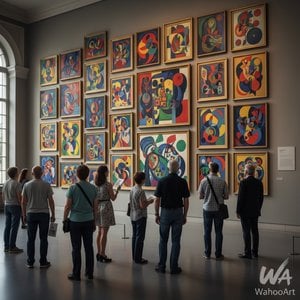
Explore 25 iconic Kandinsky masterpieces and the birth of abstraction. Discover the full collection online at WahooArt.com.

Istražite 25 remek-dela Francis Bacon-a – ikona ekspresionizma. Otkrijte priče iza njegovih snažnih portreta, triptiha i tamne palete boja. Reprodukcije slika vrhunskog kvaliteta za vaš dom na WahooArt.com!

Istražite 10 remek-dela geometrijske apstrakcije – Mondrian, Malevič i Kandinski. Otkrijte priče iza ovih ikoničnih slika i pronađite inspiraciju za dekoraciju enterijera sa WahooArt.com! Reprodukcije vrhunskog kvaliteta.

Istražite 25 remek-dela Marka Rothka – ikona apstraktne ekspresije. Otkrijte priče, tehnike i emocije iza ovih veličanstvenih slika. Reprodukcije vrhunskog kvaliteta za vaš dom na WahooArt.com!
 Pregledaj u prostoru
 Pošalji
 Podeli
 Detalji o delu
 Vodič
Vodič

 Preuzmi
 Slični predmeti
 Rendgenski snimak
 Automatska prezentacija
 Pitanja i odgovori
 Statistika

 Pročitaj više









 Opcija sa staklom dostupna je samo za dimenzije manje od 110 cm


