

Umetničko delo prikazano na ovoj stranici zaštićeno je autorskim pravima, što znači da zakonski nismo u mogućnosti da kreiramo niti prodajemo identičnu reprodukciju. Ova zaštita se sprovodi u skladu sa međunarodnim sporazumima kao što su Bernska konvencija i nacionalnim zakonima, uključujući i one koji su definisani u Američki zakon o autorskom pravu – Naslov 17.
Ovaj metod je u potpunosti usklađen sa regulativama o autorskim pravima jer ne podrazumeva kopiranje ili dupliranje zaštićenih umetničkih dela. Umesto toga, reč je o kreativnoj reinterpretaciji – novom slikarskom delu koje je inspirisano originalom, ali nije identično njemu.
Giclée štampa ili print na platnu muzejskog kvaliteta uz brzu izradu i raznovrsne opcije završne obrade. ( Kupite ručno oslikano delo Pređi na digitalnu sliku)





























Izaberite jednu od naših unapred definisanih veličina koje odgovaraju originalnim proporcijama umetničkog dela.

Unesite željenu širinu i visinu kako bi se štampa uklopila u vaš ram ili zid. Štampu je moguće samo iseći, ali nikada povećati iznad dimenzija originalne slike, stoga format sa drugačijim proporcijama uzrokuje gubitak dela slike. Pre početka štampe, poslaćemo vam digitalni prikaz radi potvrde. Slika prikazana na ovoj stranici ne predstavlja stvarni isrez — to pokazuje samo digitalni prikaz.
Dostava širom sveta () za 2 nedelje umesto uobičajenih 4/5 nedelja. (9 новембар)
Study for a Pope III,
Dimenzije reprodukcije
Francis Bacon’s “Study for a Pope III,” painted in 1961, isn’t merely a depiction of a figure; it’s an excavation of the human psyche. This monochrome masterpiece, born from a period of intense introspection and societal upheaval following World War II, embodies the artist's signature style – a brutal honesty that confronts viewers with the unsettling realities of existence. The painting immediately arrests attention with its claustrophobic composition: a seated figure, rendered in stark shades of grey, is enveloped within a tightly defined space, dominated by vertical lines that seem to constrict and isolate. This isn’t a portrait intended for admiration; it's an exploration of vulnerability, anxiety, and the inescapable weight of mortality.
The subject, clearly referencing Velázquez’s iconic “Portrait of Pope Innocent X,” is deliberately distorted and fragmented. Bacon abandons the traditional conventions of Renaissance portraiture, stripping away any semblance of idealized beauty or serenity. Instead, we are presented with a figure whose features – a tilted head, a furrowed brow, an almost skeletal hand clutching at his robe – convey profound unease. The red drapery, a jarring contrast against the predominantly grey palette, adds to this sense of tension and perhaps hints at the weight of religious authority or the burden of leadership.
Bacon’s “Study” isn't simply a copy of Velázquez; it’s a deliberate engagement with a master whose work he deeply admired. The composition, particularly the use of vertical lines and the emphasis on the figure’s posture, directly references the Spanish painter’s masterful control of space and his ability to capture psychological depth within a relatively small format. However, Bacon subverts Velázquez's carefully constructed realism by injecting an overwhelming sense of emotional turmoil. The starkness of the monochrome palette amplifies this effect, eliminating any distractions and forcing the viewer to confront the raw intensity of the subject’s expression.
Furthermore, the title “Study” is crucial. It signifies that this isn't a finished work but rather an exploratory sketch – a preliminary investigation into a complex idea or emotion. It reveals Bacon’s process: a relentless pursuit of capturing fleeting moments of feeling and translating them onto canvas. The painting becomes a testament to his dedication, a visual record of the artist wrestling with his subject.
Bacon's technique is characterized by loose, gestural brushstrokes that create a sense of movement and instability. The paint seems to writhe across the canvas, mirroring the figure’s internal turmoil. The use of impasto – thick layers of paint – adds texture and physicality to the image, further emphasizing its emotional intensity. The simplification of form—reducing the Pope to essential shapes—heightens the sense of abstraction and allows the viewer to project their own anxieties onto the subject.
Beyond the immediate depiction of a figure, “Study for a Pope III” speaks to broader themes of isolation, power, and the human condition. It’s a powerful meditation on vulnerability in the face of authority, a haunting reminder of our shared mortality. The painting's enduring appeal lies in its ability to evoke a visceral response – a feeling of unease, perhaps even dread – that lingers long after viewing.
WahooArt offers meticulously crafted hand-painted reproductions of “Study for a Pope III,” allowing you to experience the full impact of this iconic work in your own space. These reproductions capture not only the visual details but also the emotional depth and textural qualities of the original painting. Whether displayed as a striking statement piece or integrated into a more subtle interior design scheme, Bacon’s “Study for a Pope III” is guaranteed to provoke thought and conversation.
Stranica AR prikaz za delo „Study for a Pope III,”, autor Френсис Бејкон koristi proširenu stvarnost kako bi vam prikazala umetničko delo u vašem sopstvenom prostoru, pomoću kompatibilnog uređaja.
„Study for a Pope III,”, autor Френсис Бејкон prikazuje Strong Color Unity kolorističku harmoniju.
Френсис Бејкон je napravio/la "Study for a Pope III," u 1961. godini.


1909 - 1992 , Ирска

Discover the raw emotion of Symbolic Expressionism. Our expert guide explores how masters like Munch use color and form to convey inner feelings, offering inspiration for collectors looking to bring powerful, soulful art into their modern homes.

Istražite 25 remek-dela Francis Bacon-a – ikona ekspresionizma. Otkrijte priče iza njegovih snažnih portreta, triptiha i tamne palete boja. Reprodukcije slika vrhunskog kvaliteta za vaš dom na WahooArt.com!
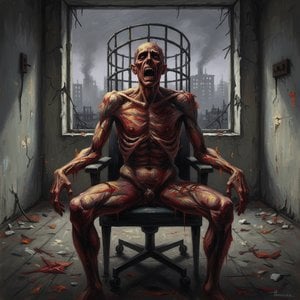
Explore the profound existential anguish of Francis Bacon's art. Discover how trauma shaped his iconic paintings & lasting influence on modern expressionism. A guide for discerning collectors.

Explore 10 Expressionist paintings that revolutionized art! Discover Munch, Kirchner & Kandinsky's iconic works. Find museum-quality reproductions and vibrant canvas prints to elevate your home decor on WahooArt.com.

Istražite 25 remek-dela Leonarda da Vince, od Mona Lize do Poslednje večere. Otkrijte priče iza slika renesanse i inspiraciju za dekoraciju enterijera. Kvalitetne reprodukcije na WahooArt.com!
 Pregledaj u prostoru
 Pošalji
 Podeli
 Detalji o delu
 Vodič
Vodič

 Preuzmi
 Slični predmeti
 Rendgenski snimak
 Automatska prezentacija
 Pitanja i odgovori
 Statistika

 Pročitaj više









 Opcija sa staklom dostupna je samo za dimenzije manje od 110 cm


