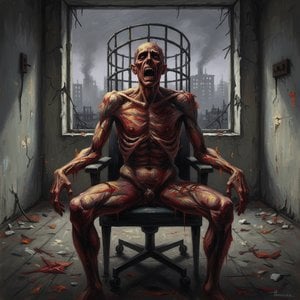
Život Uronjen u Vizceralno
Francis Bacon, čije se ime nerazdvojivo veže uz najsiroviju emotivnost umetnosti 20. veka, rođen je 1909. godine u Dablinu, Irskoj, a njegova umetnička duša pronašla je svoje pravo izražavanje u burnom pejzažu posratnog britanskog društva. Njegov rani život bio je daleko od stabilnosti; česte selidbe zbog zdravlja majke usadile su mu osećaj otuđenosti koji bi duboko oblikovao njegov pogled na svet i, konačno, prožimao njegove platne. Složen odnos sa oštrim ocem i bliska veza sa dadiljom, Džeši Laјtfut, dodatno su obojili emotivni teren njegovog odrastanja. Prvo privučen konjima i životom kockara, Bacon je lutao kroz razne profesije pre nego što se konačno posvetio slikanju u kasnim dvadesetim – kašnjenje koje je možda intenziviralo hitnost i jačinu njegove umetnosti. Nije bio formalno obučen, već je kreirao sopstveni put, upijajući uticaje iz raznih izvora i razvijajući jedinstven i uznemirujući vizuelni jezik.
Krucijalne Rani Uticaji
Baconovo umetničko buđenje nije bilo trenutno, već postepeno nagomilavanje utisaka. Dela Pabla Pikasa, posebno izobličene figure iz ranog kubizma, ispoljila su se kao ključni katalizator u oslobađanju od tradicionalnog predstavljanja. Dalje inspiracije pronašao je u zagonetnim fotografijama Egona Šiela, čija ekspresivna izobličenja ljudskog oblika rezonirali su sa Baconovom sve većom fascinacijom za krhkost i ranjivost postojanja. Međutim, upravo susret sa filmom Sergeja Eisensteina *Brod pobunjenika* pružio je ključni katalizator. Vizualna sirovaća slika filma, posebno bliski snimak vrištećeg lica, postala je trajna motiv u Baconovoj umetnosti, predstavljajući pronalazački teror i dubine ljudskog patnje. Takođe je duboko poštovao Stare majstore, naročito Dijega Velazkeza, čiji bi *Portret pape Inocentija X* on kasnije poznato reinterpretirao, transformišući autoritarnu papsku figuru u užasnutog duha. Ovi uticaji nisu bila samo stilskih preuzimanja; bili su upijeni i pretvoreni kroz Baconovu sopstvenu jedinstvenu senzibilnost, što je rezultiralo umetničkom vizijom koja je bila i duboko lična i univerzalno rezonantna.
Kovanje Potpisnog Stila: Izobličenje i Izolacija
Baconov prodor stigao je sa *Tri studije za figure na dnu krstača* (1944), delom koji je šokirao i očarao publiku u posratnoj Londonu. Ovaj triptih uspostavio je njegov potpisani stil – izobličene, fragmentirane figure izolovane unutar klaustrofobičnih prostora. To nisu bila prikazivanja verskog mučeništva, već visceralna istraživanja ljudske patnje, svučenih od bilo kog utešnog narativa ili duhovnog utočišta. Njegove slike često sadrže zamućene ili rastvarajuće oblike, što prenosi osećaj psihološke turbulencije i fizičke ranjivosti. Često je koristio geometrijske strukture – kaveze, kutije – da zatvori svoje subjekte, naglašavajući njihovu izolaciju i bespomoćnost. Baconova paleta bila je obično prigušena i sumorna, odražavajući tamne teme koje je istraživao, iako su prožeti izbijanjem intenzivne boje koja je pojačala emotivni uticaj. Korišćenje ovih ćelija nije samo kompoziciona sredstva; simbolizovalo je urođena ograničenja i ograničenja nametnuta ljudskom postojanju. Težio je da uhvati ne samo *kako* stvari izgledaju, već *kako se osećaju*, prevodeći unutrašnje stanja anksioznosti, straha i očaja na platno sa brutalnom iskrenošću.
Teme Smrtnosti, Uzanžda i Čovečanstva
Tokom svoje plodne karijere, Bacon je ponavljano vraćao određene motive: krstača kao simbol patnje; portrete koji su ulazili u psihološku intenzivnost njegovih subjekata, često prijatelja i ljubavnika poput Džordža Dijera; i autoportrete koji su služili kao introspektivne eksploracije identiteta i smrtnosti. Njegov *Studija nakon Velazkeza Portret pape Inocentija X* (1953) serija je možda jedno od njegovih najpoznatijih postignuća, transformišući Velazkezov dostojanstveni portret u vrišteću pojavu, koja utelovljuje egzistencijalni strah. Portreti Džordža Dijera, njegovog nestabilnog ljubavnika, posebno su poetični, hvataju i intenzitet njihove veze i nadolazeći sjaj tragedije. Baconova dela nisu bila o prikazivanju specifičnih pojedinaca; bilo je reč o istraživanju univerzalnih tema ljudske ranjivosti, izolacije i neizbežnosti smrti. Nije se klonuo tamnijih aspekata egzistencije, već ih je suočio direktno, primoravajući gledaoce da se suoče sa sopstvenom smrtnošću i anksioznostima.
Trajno Nasleđe: Izazovi Konvencija
Uticaj Francisa Bacona na umetnost 20. veka je neuporediv. On je izazvao tradicionalne ideje o predstavljanju, odbacio idealizovanu lepotu u korist sirovog, neustrašivog prikaza čovečanstva. Njegovo delo duboko je uticalo na generacije umetnika, otvarajući put za nove oblike ekspresije i izazivajući konvencionalne umetničke granice.
- Posratna Ekspresionizam: Bacon se smatra ključnom figurom u ovom pokretu, utičući na umetnike svojim hrbrim stilom i psihološkom dubinom.
- Rekordi aukcija i muzejske izložbe: Njegova dela nastavljaju da postižu visoke cene na aukcijama i izlažu se u glavnim muzejima širom sveta, čime je učvršćeno njegovo mesto u istoriji umetnosti.
- Suočavanje sa Istinama: Baconovo nasleđe leži u njegovoj sposobnosti da se suoči neugodnim istinama o ljudskom postojanju i prevede ta iskustva u moćne i nezaboravne slike.
Uprkos turbulentnom ličnom životu obeleženom kockanjem, pijenjem i složenim odnosima, ostao je posvećen svojoj umetnosti do svoje smrti 1992. godine. Ostavio je iza sebe korpus dela koji nastavlja da rezonuje sa publikom i danas, podsećajući nas na krhkost postojanja i trajne moći umetnosti da provocira, uznemirava i konačno, osvetljava složenosti ljudskog bića.
Njegove slike nisu samo slike; one su visceralna iskustva – svedočenje o trajnoj snazi umetnosti da podstakne, poremeti i, naposletku, prosvetli složenosti toga što je čovek.



 Pregledaj u prostoru
 Pređi na prodaju štampanih primeraka
 Podeli
 Podeli
 Detalji
 Vodič
Vodič

 Preuzmi sliku
 Slični predmeti
 Rendgenski snimak
 Automatska prezentacija
 Statistika

 Pročitaj više






































 Opcija sa staklom dostupna je samo za dimenzije manje od 110 cm