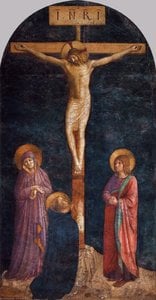
Frane Đelo: Anđeoski Čar i Duhovna Dubina Rane Renesanse
Rođen kao Gvido di Pietro oko 1395. godine u mirnim brdima Toskane, blizu Firence, Frane Đelo (poznat i kao Fra Giovanni da Fiesole) ostavio je neizbrisiv trag na svetskoj umetnosti. Iako su detalji iz njegovog ranog života obavijeni misterijom, jasno je da je obrazovanje koje je primio pripremilo tlo za život posvećenosti i kreativnosti. Ključni trenutak u njegovom životu nastupio je kada je ušao u dominikanski red u Fiesoleu, usvajajući ime Fra (Brata) Anđeo – nadimak koji je ubrzo postao sinonim za nebesku lepotu i duboku posvećenost koja su prožimala njegovo stvaralaštvo. U zidinama manastira, prvo kao iluminator rukopisa, Đelo je brusio svoje veštine, usvajajući preciznost i živopisne boje koje će kasnije procvetati u veličanstvene freske i slike na panelima. Ta rana obuka učinila ga je osetljivim za detalje, majstorom pigmenta i umetnikom koji je znao kako priču prenijeti vizuelnim sredstvima. Dominikanski red, sa svojim naglaskom na teološkoj studiji, nesumnjivo je oblikovao njegov umetnički pogled, prožimajući njegovo delo dubokim osećajem vere i svrhe.
Razvijanje Jedinstvenog Stila: Sinteza Tradicije i Inovacije
Đelov umetnički razvoj nije bio izolovan; on je upijao struje firentinske umetnosti tog vremena. Elegantna linearnost i dekorativni uzorci Lorenca Monaka, vodećeg slikara tog doba, vidljivi su u njegovim ranim radovima. Međutim, Đelo nije samo imitirao svog prethodnika. On je počeo da sintetiše te uticaje sa rastućom naturalizmom, verovatno inspirisan revolucionarnim freskama Masaccia. Iako je Masaccio transformisao slikarstvo dramatičnom upotrebom perspektive i realističkom prikaza ljudske figure, Đelo je izabrao drugačiji put. On je prihvatao perspektivu ne radi same sebe, već kao sredstvo za stvaranje imersivnijeg duhovnog iskustva. Njegove figure, iako graciozne i često idealizovane, poseduju tiho dostojanstvo i emotivnu rezonancu koja prevazilazi samu reprezentaciju. Ključno je da je Đelova umetnost bila neotdeljiva od njegove vere; on je slikanje smatrao ne profesijom, već činom molitve – načinom da razmišlja o božanskom i učini ga vidljivim drugima. Ovo duboko uverenje prožimalo je svaki potez kistom osećajem poštovanja i iskrenosti.
Majstorski Radovi Velečanja i Boje
Đelovo umetničko nasleđe zasnovano je na nekoliko monumentalnih dela koja i vekovima nakon nastanka izazivaju divljenje. Freske u manastiru San Marko u Firenci široko se smatraju njegovim remek-delom. Naručene za dominikanski konvent, ove scene iz života Hrista zrače smirenom jednostavnošću i emotivnom dubinom koja je retka u renesansoj umetnosti. Svaka slika – od Blagosloveva do Raspeća – prožeta je osećajem tihe kontemplacije, pozivajući posmatrača na lični susret sa svetim narativom. Izvan San Marka, *Perudža oltar* pokazuje njegovu evoluirajući stil, posebno u delikatnom prikazivanju Blagosloveva. Sam motiv Blagosloveva se ponavlja u brojnim verzijama tokom njegove karijere, svaka je renderovana sa nebeskom lepotom i simboličkim bogatstvom. Radovi poput *Svetog Lavrencija koji deli milostinju* demonstriraju njegovu veštinu u kompoziciji priče i sposobnost da portretuje ljudske emocije osetljivošću i gracioznošću. Njegova paleta karakterizuju jarke, čiste boje – plave, zlatne i crvene – koje kao da svetlucaju iznutra, stvarajući atmosferu vanzemaljske radijance.
Nasleđe i Trajni Uticaj
Frane Đelo zauzima ključnu poziciju u Ranoj Renesansi, utelovljujući fuziju verske posvećenosti i umetničke inovacije tog doba. On nije bio samo slikar; bio je duhovni vizionar koji je svoju veru pretočio u vizuelne oblike. Njegovo delo odražava humanističke ideale perioda, naglašavajući ljudsko dostojanstvo i potencijal za duhovnu kontemplaciju. Đorđo Vasari, čuveni umetnički istoričar, hvalio je Frane Đela u svojim *Životima umetnika*, proglašavajući da nijedna pohvala ne bi mogla adekvatno uhvatiti lepotu njegovih kreacija. Ovo je učvrstilo njegovo mesto u kanonu zapadne umetnosti. Njegov uticaj se protezao daleko izvan svog vremena, inspirisajući generacije umetnika svojim posvetnim stilom i majstorskom upotrebom boja. Godine 1982. papa Ivan Pavao II zvanično je priznao Đelovu svetost blagoslavljavši ga – svedočenjem o dubokom duhovnom uticaju njegovog života i dela. Danas, njegova umetnost nastavlja da rezonuje sa posmatračima širom sveta, nudeći bezvremensku poruku vere, nade i lepote.
Gde Iskustvo Njegove Umetnosti
- Museo di San Marco, Firenca: Ovaj muzej čuva najveću i najznačajniju kolekciju Đelovih dela, uključujući zapanjujuće freske iz manastira.
- Muzej Luvr (Pariz): U ekspanzivnoj kolekciji Louvra mogu se pronaći nekoliko važnih slika Frane Đela.
- Nacionalna galerija (London): Nacionalna galerija ima izbor njegovih dela, nudeći posetiocima uvid u njegov umetnički genije.
- Santa Maria sopra Minerva, Rim: Ova crkva sadrži freske Frane Đela i mesto je gde je zvanično blagosloven.
- Brojne druge muzeji širom sveta takođe prikazuju primere njegove umetnosti, omogućavajući širu procenu njegovog trajnoga nasleđa.



 Pregledaj u prostoru
 Kupi ručno naslikanu sliku
 Pošalji
 Podeli
 Detalji o delu

 Преузми
 Slični predmeti
 Rendgenski snimak
 Slajdovi
 Stats
Stats

 Pročitaj više






































 Opcija sa staklom dostupna je samo za dimenzije manje od 110 cm