Biografija umetnika
Život Izkovan u Formi: Svet Fernana Legera
Fernan Leže, rođen kao Žozef Fernand Enri Leže 1881. godine usred ruralnih pejzaža Argantana, Normandije, zauzima ključno mesto u evoluciji moderne umetnosti. Njegovo putovanje od polja njegovog detinjstva do samog čela pariških avangardnih krugova svedoči o neprestanoj umetničkoj viziji i neumornom nastojanju da uhvati duh mašinskog doba. Za razliku od mnogih svojih savremenika koji su apstrakciju prihvatili kao povlačenje iz reprezentacije, Leže je tražio da *integriše* modernost – njen dinizam, mehaničke oblike, samu njenu esenciju – u novi vizuelni jezik koji je bio i moćno apstraktan i duboko ukorenjen u posmatranom svetu. Njegov raniji život, prožet fizičkom aktivnošću poljoprivrednog rada, pružio je pouzdano upoređivanje sa industrijalnom budućnosti koju je tako strastveno prikazivao. Prvo namenjen arhitekturi, Ležeova staza se preusmerila ka slikarstvu nakon što je stigao u Pariz oko 1900. godine, izdržavajući se crtačkim radom dok je usavršavao svoje umetničke veštine. Ovaj period je bio obeležen tradicionalnim akademskim obrazovanjem, ali tek nakon susreta sa revolucionarnim delima Pola Sezana počela je prava transformacija.
Rođenje ‘Tubizma’ i Section d'Or
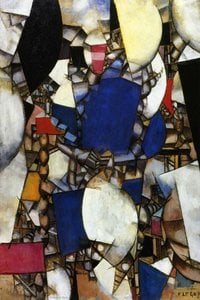
Sezanova retrospektiva 1907. godine poslužila je kao katalizator, oslobodivši Legera od konvencionalne reprezentacije i gurajući ga ka geometrijskijem i strukturalnijem pristupu. Počeo je da razgrađuje oblike, analizira njihove osnovne strukture i ponovo ih gradi na platnu sa novim naglaskom na čvrstini i volumenu. Ova eksploracija ga je brzo dovela u orbitu kubizma, ali Leže nije bio zadovoljan samo replikacijom stilova Pikasa ili Braka. Umesto toga, razvio je svoj sopstveni distinktivan idiom – lični oblik kubizma koji su kritičari igrivo nazvali “tubizam”. Karakterizovan cilindričnim oblicima, spljoštenim ravninama i hrbrim kontrastima boja, tubizam je slavio mašinsku estetiku mnogo pre nego što je postala široko rasprostranjena. Bila je to umetnost rođena iz posmatranja procvetavajućeg industrijskog sveta, prepoznajući lepotu u njegovim funkcionalnim oblicima i mehaničkim ritmovima. U ovom periodu Leže je aktivno učestvovao u avangardnoj sceni, udruživši se sa umetnicima poput Žana Metzingera, Enrija Leforenija, Fransisa Pikabije i Marsela Dšona unutar Puteaux grupe, poznate i kao Section d'Or (Zlatni preseč). Grupa je istraživala matematičke principe harmonije i proporcije, nastojeći da u svoju umetnost ubrizga osećaj reda i racionalnosti. Njihove kolektivne istrage su pomerile granice umetničkog izraza, postavivši temelje za buduće razvoje u apstraktnoj umetnosti.
Rat, Mehanizacija i Nova Estetika
Izbijanje Prvog svetskog rata duboko je uticalo na Ležeov život i rad. Služba na frontu od 1914. do 1916. godine izložila ga je brutalnim realnostima moderne ratne tehnike – artiljerijskim udarima, vazdušnim borbama i dehumanizirajućim efektima mehanizovanog sukoba. Ovo iskustvo nije dovelo do razočaranja ili odbacivanja modernosti; naprotiv, učvrstilo je njegovu fascinaciju mašinama i njihovom snagom. Skice napravljene tokom služenja dokumentovale su strogotu lepote vojne tehnologije, transformišući instrumente uništenja u subjekte umetničkog razmatranja. Po povratku u civilni život, Ležeova estetika je doživela dalji evoluciju. Njegove slike su počele da odražavaju više pojednostavljenog, mehaničkog senzibiliteta, slaveći dinamičnost i efikasnost industrijskog sveta. *Vojnik sa puškom* (1916) ilustruje ovu promenu, prikazujući pojednostavljene oblike i hrabre boje koje evociraju osećaj mehaničke preciznosti. Ovo nije bila samo estetska izbira; bila je to filozofski stav – potvrda potencijala modernosti za napredak i obnovu, čak i u jeku razornih sukoba.
Nasleđe i Trajni Uticaj
U godinama nakon rata, Leže je nastavio da istražuje presek umetnosti i industrije, stvarajući dela koja su slavila moderan život jedinstvenom kombinacijom apstrakcije i figuracije. Njegova serija *Paysages animés* (Animirani pejzaži) iz 1921. godine prikazala je figure i životinje besprekorno integrisane u pojednostavljene kompozicije, briseći granice između organskih i neorganskih oblika. Eksperimentisao je takođe sa skulpturom i filmskom umetnošću, proširivši svoju umetničku praksu izvan okvira tradicionalnog slikarstva. Ležeov uticaj na buduće generacije umetnika je nedvojben. Njegovo hrbrim pojednostavljenje oblika, njegov prihvatanje industrijske slike i njegova slava popularne kulture najavili su pojavu Pop Art-a decenijama kasnije. Umetnici poput Roja Lihtenštajna i Endija Vorhola duguju jasan dug Legerovom pionirskom radu. On je prevazišao jaz između apstraktne umetnosti i figurativnog predstavljanja, pokazujući da je moguće kreirati dela koja su intelektualno rigorozna i vizuelno privlačna. Danas se Legerove slike nalaze u glavnim muzejima širom sveta, uključujući Musée d'Art et d'Histoire u Francuskoj i Musée National Fernand Léger, posvećen isključivo njegovom radu. On ostaje impozantna figura umetnosti 20. veka – vizionar koji se usudio da pronađe lepotu u mašinskom dobu i da je prevede na platno sa nezadrživim hrabrošću i originalnošću. Njegovo nasleđe nije samo kao slikara, već i kao proroka modernosti. Pravo je pionira čiji rad nastavlja da rezonuje sa publikom danas.



 Pregledaj u prostoru
 Naručite ručno oslikano reprodukciju
 Podeli
 Podeli
 Detalji
 Vodič
Vodič

 Preuzmi sliku
 Slični predmeti
 Rendgenski snimak
 Automatska prezentacija
 Statistika

 Pročitaj više






































 Opcija sa staklom dostupna je samo za dimenzije manje od 110 cm