

Giclée štampa ili print na platnu muzejskog kvaliteta uz brzu izradu i raznovrsne opcije završne obrade. ( Kupite ručno oslikano delo Pređi na digitalnu sliku)





























Izaberite jednu od naših unapred definisanih veličina koje odgovaraju originalnim proporcijama umetničkog dela.

Unesite željenu širinu i visinu kako bi se štampa uklopila u vaš ram ili zid. Štampu je moguće samo iseći, ali nikada povećati iznad dimenzija originalne slike, stoga format sa drugačijim proporcijama uzrokuje gubitak dela slike. Pre početka štampe, poslaćemo vam digitalni prikaz radi potvrde. Slika prikazana na ovoj stranici ne predstavlja stvarni isrez — to pokazuje samo digitalni prikaz.
Dostava širom sveta () za 2 nedelje umesto uobičajenih 4/5 nedelja. (10 новембар)
The field trip
Dimenzije reprodukcije
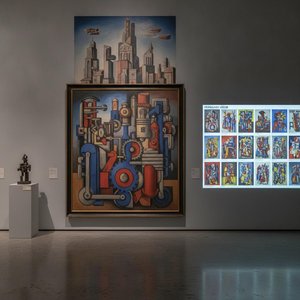
Fernand Léger’s “The Field Trip,” completed in 1925, stands as an emblem of Surrealist innovation and a profound reflection on the anxieties and aspirations of the interwar period. More than just a depiction of schoolchildren embarking on a journey to observe a locomotive, Léger's canvas embodies a radical reimagining of artistic representation—a deliberate rejection of illusionism in favor of a visual language that prioritizes geometric abstraction and conveys an overwhelming sense of movement.
“The Field Trip” emerged during a period of intense social and technological upheaval. The rapid industrialization of Europe—fueled by advancements in steam power, metallurgy, and transportation—was reshaping urban landscapes and altering the rhythms of daily life. Artists responded to these changes with diverse strategies, ranging from outright rejection of modernity to attempts to synthesize its principles with traditional forms. Léger’s Surrealist approach distinguishes itself through a calculated embrace of abstraction—a deliberate distortion of reality intended not merely to shock but also to provoke contemplation about the nature of perception and representation.
Beyond its literal depiction of schoolchildren and locomotives, “The Field Trip” is laden with symbolic significance. Léger’s use of repetitive geometric shapes—particularly rectangles—represents the relentless march of industrial progress, mirroring the rhythmic pulsations of the locomotive engine. The flattened picture plane symbolizes a rejection of illusionism and an insistence on confronting viewers with the raw materiality of the artwork. Furthermore, Léger subtly transforms recognizable elements—faces, bodies—into stylized abstractions, suggesting that artistic representation transcends mere imitation of nature.
"The Field Trip" evokes a complex emotional response in the viewer. The painting’s assertive color palette and dynamic brushstrokes convey an underlying sense of anxiety—a reflection of the uncertainties surrounding the future. Yet, simultaneously, Léger imbues his artwork with moments of wonder—captured in the expressive faces of the children and the luminous glow emanating from the locomotive. Ultimately, Léger's masterpiece compels us to reconsider our relationship with both the physical world and artistic expression—challenging us to embrace abstraction as a tool for conveying profound truths about human experience.
"The field trip" prikazuje landscape, truck, people, conversation, modernity, geometry, form, industrial, dok su dokumentovane teme umetnika Фернан Леже zapravo geometric abstraction, industrial age, societal change, form exploration, léger’s legacy. Poređenje ova dva elementa pokazuje kako se ovo delo povezuje sa uobičajenim motivima ovog umetnika.
Analiza boja dela „The field trip”, autor Фернан Леже beleži Statement kontrast i Softly Mixed Palette harmoniju.
Preporučena kombinacija za „The field trip”, autor Фернан Леже: štampa dimenzija Large u prostoriji tipa Living Room.

Priča o umetniku pod imenom Фернан Леже počinje u selu Argentan, smeštenom u regiji Orn u Donjoj Normandiji. Na svet je došao 4. februara 1881. godine, kao jedini sin. Njegove rane godine oblikovao je mir francuske ruralne sredine i prisustvo njegove majke, Marie-Adèle Daunou. Njegov otac, čovek koji se izdržavao trgovinom stočnom, preminuo je dok je Fernand još bio mali dečak, ostavljajući dete majci koja će ga podizati u domaćinstvu obeleženom njenom pobožljivošću i određenom skromnošću.
Ovo odrastanje u ruralnim pejzažima Normandije pružilo je snažan kontrast životu koji će on kasnije voditi u užurbanim centrima francuske kulture. Dok su njegovi koreni bili vezani za zemlju i fizičku težinu poljoprivrednog života, njegov duh je bio privlačen složenostima modernog doba. Vremenom će on proširiti svoj uticaj daleko izvan granica Argentana, postajući čovek mnogih disciplina. Nije se ograničio samo na platno, već je težio da svoju viziju izrazi kroz skulpturu i pokretne slike filma.
Njegov život bio je neprestano kretanje između organskih tekstura njegovog mladalačkog doba i strukturiranih, mehaničkih ritmova gradova. Ta dualnost je definisala njegovo samo postojanje dok se kretao kroz promene jednog transformativnog veka. Njegov put nikada nije bio jednostavan, obeležen tenzijom između tradicionalnog sveta njegovog detinjstva i brzog, industrijskog pulsa budućnosti koju će, na kraju, pomoći da definiše kroz svoju umetnost.
Koreni njegove vizije zakorenjeni su u ruralnim pejzažima Argentana, u regiji Orn u Donjoj Normandiji u Francuskoj. Rođen u svetu stočarstva, njegove rane godine oblikovao je fizički napor rada na zemlji i postojani ritmovi poljoprivrednog života. Ovo ukorenjivanje u opipljivom, radničkom svetu ostalo bi tiho prisustvo ispod površine njegovih kasnijih, složenijih istraživanja. Bio je jedini sin, odgajan od strane majke koja je bila i pobožna i skromna, a njegov put je prvobitno bio usmeren ka strukturiranoj disciplini arhitekture. Od 1897. do 1899. godine posvetio je se ovom tehničkom zanatu, učeći logiku prostora i neophodnost preciznog crtanja.
Do 1900. godine, privlačnost grada postala je previše jaka da bi se ignorisala, te se on preselio u Pariz. Izdržavao se radeći kao arhitektonski crtač, u ulozi koja je zahtevalo oštro oko za liniju i proporciju. Dok je njegovo formalno obrazovanje arhitekture pružilo temelj strukturnog razumevanja, njegovo srce je počelo da teži ka platnu. Težio je upisu u prestižnu školu École des Beaux-Arts, ali mu institucija nije priznala zvanični status studenta. Neustrašivo, posećivao je školu kao neupisani učenik, upijajući lekcije majstora dok je koračao po marginama akademskog establishmenta. Ovaj period studija, iako se ponekad opisuje kao vreme traženja, bio je od suštinskog značaja za usavršavanje tehničke veštine koju će na kraju koristiti da dekonstruiše i ponovo izgradi svet u sopstvenoj slici.
Duboka transformacija dogodila se 1907. godine, kada se umetnik susreo sa retrospektivom Sezana na Salonu d'Automne. Taj susret delovao je kao katalizator, izvodeći ga iz mekih impresija mladosti ka strukturalnijem načinu posmatranja. Počeo je da gleda izvan površine stvari, tražeći samu osnovnu geometriju koja definiše svet. Do 1909. godine, njegovo prisustvo u kreativnim krugovima Pariza postalo je značajno, dok je upoznavao figure kao što su Aleksander Arhipenko, Žak Lipšic, Mark Šagal i Robert Delonaj. Ti susreti nisu bili samo društveni događaji; bili su to sudari novih ideja koji su pomogli da se oblikuje pravac njegove razvojne vizije.
Kako su godine prolazile, našao se u orbiti Puteo grupe, kruga umetnika poznatog i kao Section d'Or. Uporedo sa Žanom Metingerom i Henrijem Le Fokonjeom, istraživao je matematičke i strukturalne mogućnosti ovog novog jezika. Nije bio zadovoljan time da samo prati puteve koje su drugi postavili, već je težio da pronađe sopstveni put kroz frakturirane ravni i preklapajuće oblike koji su definisali tu eru. Ovaj period intenzivnog eksperimentisanja doveo je do njegove prve velike izložbe na Salonu nezavisnih u 1911. godini, gde je predstavio Nude u šumi.
Haos Velikog rata izbacio je umetnika iz parisih studija pravo u surovu stvarnost fronta. Od 1914. do 1917. godine, Фернан Леже је служио u francuskoj vojsci, proživljavajući dve iscrpljujuće godine u Argonu. Taj sukob nije bio samo puki scenski okvir njegovog života, već transformativna sila koja je iz temelja promenila njegovu percepciju forme. Godine 1916, napad gorčičavim gasom gotovo mu je oduzeo život, ostavljajući ga u procesu oporavka dok je svet oko njega bio preoblikovan sirovom moći industrijskog uništenja. Čak i tokom kratkog odsustva iste te godine, osetio je neodoljivu potrebu da slika, što je rezultiralo delom Soldat sa pišćom. Ovo delo je uhvratilo esenciju nove stvarnosti, u kojoj ljudska figura počinje da poprimi osobine mašina koje su dominirale bojilištem.
Do 1917. godine, u njegovom kreativnom duhu dogodila se jasna prekretnica, označavajući početak onoga što će kasnije postati poznato kao njegova mehanička perioda. Pronašao je neobičnu, ritmičnu lepotu u alatima i tehnologiji modernog ratovanja i industrije. Glatki, tubularni oblici i preciznost mehaničkih delova postali su njegov novi vizuelni jezik. On te objekte nije posmatrao kao hladne ili impersonalne; naprotiv, prihvatio je njihovu snagu i sposobnost da organizuju haos modernog postojanja. Rat je skinuo mekoću sa ivica njegovih ranijih radova, zamenjujući ih oštrim, strukturnim jasnim linijama koje su odjekivale u čeliku i klipovima jednog doba u tranziciji.
Njegov četkica kretala se sa ritmičnom, gotovo industrijskom preciznošću, nastojeći da uhvati puls promenljivog doba. Odmaknuo se od mekih, izmešanih senki prošlosti, birajući umesto toga da svoje kompozicije gradi kroz jezik snažne, geometrijske čvrstine. To je dovelo do razvoja ličnog oblika kubizma koji su kritičari prepoznali kao „tubizam“. U ovom stilu, svet je bio ponovo osmišljen kroz cevčaste, konične i kubične oblike, stvarajući osećaj volumena koji je delovao istovremeno čvrsto i dinamično. On nije samo slikao predmete; on je težio da pronađe njihovu suštinsku, strukturnu logiku.
Boje koje je birao bile su odnosežne kao i oblici koje su ispunjavale. Favorizovao je paletu dominiranu primarnim bojama, često naglašenom oštrim crnim i belim kontrastima, što je pomagalo u definisanju oštrih granica njegovih motiva. Umesto oslanjanja na tradicionalni iluzionizam, on je nanosio boju u odvažnim, spljoštenim ravninama. Često je koristio gust impasto, tehniku koja naglašava fizičko prisustvo medijuma na platnu. Ovakav teksturalni pristup osigurao je da njegov rad deluje utemeljeno i materijalno, odražavajući upravo one mašine i urbane strukture kojima se toliko divio. Njegove figure su često poprimale glatke, mehaničke oblike, brišući granicu između organske ljudske forme i inženjerske preciznosti modernog doba.
Promenljive plime globalnih sukoba na kraju su odvučle umetnika iz njegovih pariskih krugova preko Atlantika. Između 1940. i 1945. godine, on je boravio u Sjedinjenim Amerikama, u periodu koji mu je ponudio potpuno drugačiju perspektivu na moderni svet koji je toliko dugo pokušavao da prenese na platno. Ovo vreme provedeno u tuđini pružilo je pauzu njegovoj dugoj evoluciji, trenutak tranzicije pre njegovog konačnog povratka zemlji majki, Francuskoj.
Nakon povratka u domovinu, njegov privatni život je doživeo značajnu promenu. U februaru 1952. godine, oženio se Nadijom Hodasevič. Ova unija označila je poslednje poglavlje njegovog života, vreme ispunjeno neprestanim stvaranjem raznolikih dela, od monumentalnih zidnih slika do delikatnih vitraja. Čak i kako je stario, njegov ugled na međunarodnoj sceni ostao je neupitno i stabilan. Godine 1955. godine, osvojio je Veliku nagradu na Bijenalu u Sao Paulu, visoku čast koja je stigla u istoj godini kada je i preminuo. Umro je 17. avgusta 1955. godine u Gif-sur-Jivetu, u Francuskoj.
Фернан Леже je ostavio trag koji se protezao daleko izvan avangardnih krugova njegovog vremena. Premošćujući jaz između apstraktne umetnosti i figurativne reprezentacije, ponudio je umetnicima način da se suoče sa modernim svetom, a da pritom potpuno ne napuste ljudski subjekt. Njegov pristup omogućio je dijalog između strukturne logike geometrije i prepoznatljivog prisustva ljudi i predmeta. Ova sposobnost pronalaženja sredine između čisto konceptualnog i opipljivog pomogla je da se oblikuje pravac velikog dela umetnosti koja je usledila.
Njegovo hrabro pojednostavljivanje forme i fascinacija estetikom masovne proizvodnje delovale su kao predteča pop art pokreta. U repetitivnoj, funkcionalnoj prirodi mašinskog doba video je određenu lepotu, perspektivu koja će kasnije odjeknuti kod nove generacije stvaralaca. Umetnici kao što su Roy Lichtenstein i Andy Warhol povukli su jasnu liniju od njegovih eksperimenata sa odobrenim konturama i mehaničkom vizuelnošću ka sopstvenim istraživanjima popularne kulture. On je pomogao u pripremi vizuelnog jezika za eru koja će na kraju slaviti upravo one industrijske i komercijalne elemente koje je on nekada pokušavao da prenese na platno.
Da biste se lično susreli sa fizičkom prisutnošću njegove vizije, put vam vodi na jug Francuske, tačnije u Biot u departmanu Alpi-Maritim. Tu se nalazi Nacionalni muzej Фернан Леже, mesto posvećeno isključivo proučavanju i očuvanju njegovog kreativnog nasleđa. Muzej je smešten u Mas Sen-Andre, vili koja je nekada pripadala samom umetniku. Unutar ovih zidova i u pratećim vrtovima, njegove polihromne keramičke skulpture pronalaze svoj prirodni ambijent, omogućavajući posmatraču da vidi kako njegove forme komuniciraju sa svetlošću i prostorom mediteranskog pejzaža.
Pored ovog specijalizovanog utočišta, njegova platna i skulpture čuvaju se u brojnim značajnim institucijama. Muzej umetnosti i istorije u Francuskoj održava kolekciju njegovih dela, osiguravajući njegovo prisustvo u širem narativu francuske umetnosti. Ova zbirka omogućava kontinuirano istraživanje načina na koji je on preveo energiju mašinskog doba u statične, ali ipak pulsirajuće, vizuelne oblike. Putnici koji traže njegov specifični estetski izraz mogu pronaći njegove tragove u nekoliko velikih kolekcija, uključujući:
Njegov uticaj se ogleda i u delima drugih umetnika, ali primarni način da se svedoči njegovom direktnom umeću jeste kroz ove etablirane repozitorijume. Bilo da posmatrate odvažne, cilindrične oblike u muzejskom okruženju ili njegove skulpture u tišini vrta, posmatrač se suočava sa istom onom strukturalnom jasnoćom koja je definisala njegov životni rad. Njegovo nasleđe ostaje usidreno u ovim specifičnim lokacijama, gde su teški, mašinski ritmovi njegovih slika sačuvani za sve one koji traže istinu u njegovoj geometriji.

1881 - 1955 , Франска

Explore 10 iconic artworks that define the industrial aesthetic. From gritty urban landscapes to metallic textures, discover the stories behind these timeless masterpieces. Find museum-quality art reproductions and curated decor inspiration. Explore the full collection on WahooArt.com.

Explore the vibrant world of Fernand Léger. Discover how his 'Tubism' and Machine Age aesthetics redefined modern art, offering profound inspiration for discerning collectors seeking geometric beauty and industrial dynamism.
Immerse yourself in the vibrant world of Fernand Léger. Explore 25 iconic masterpieces of Cubism and Tubism, from bold geometric forms to machine-age energy. Find inspiration for your decor with museum-quality reproductions. Discover all masterpieces on WahooArt.com.

Explore the profound depth of Color Field painting. Our expert guide delves into the mastery of Morris Louis and Jules Olitski, offering sophisticated insights for discerning collectors seeking to understand the psychological power and aesthetic elegance of chromatic abstraction.
 Pregledaj u prostoru
 Pošalji
 Podeli
 Detalji o delu
 Vodič
Vodič

 Preuzmi
 Slični predmeti
 Rendgenski snimak
 Automatska prezentacija
 Pitanja i odgovori
 Statistika
 Pročitaj više









 Opcija sa staklom dostupna je samo za dimenzije manje od 110 cm


