Pregledaj u prostoru Isprobaj u AR-u Naručite ručno oslikano reprodukciju Pređi na prodaju digitalnih slika Podeli
Detalji Vodič Dodaj u omiljene Preuzmi sliku Slični predmeti Rendgenski snimak Automatska prezentacija Statistika

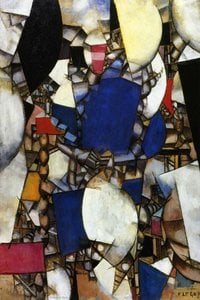
Acrobats in the circus

Experience Fernand Léger's 'Acrobats in the Circus' (1918)! This dynamic Cubist painting captures circus life with fragmented forms, bold colors, and a mechanical aesthetic – a forerunner of Pop Art.

Fernand Léger (1881-1955): Pionir kubizma i 'tubizma'! Otkrijte njegove jarke slike koje slavlјaju moderni život, mašine i čoveka – prethodnik pop arta koji je revolucionisao umetnost.

Giclee štampa / Umetnički otisak

Giclée štampa ili print na platnu muzejskog kvaliteta uz brzu izradu i raznovrsne opcije završne obrade. ( Naručite ručno oslikano reprodukciju Pređi na prodaju digitalnih slika)

Corner sample of the P118B picture frame: kaljeni polistiren, 5 cm wide and 3 cm thick
P118B дин10
Corner sample of the P118H picture frame: kaljeni polistiren, 5 cm wide and 3 cm thick
P118H дин10
Corner sample of the P118W picture frame: kaljeni polistiren, 5 cm wide and 3 cm thick
P118W дин10
Corner sample of the P438Z picture frame: kaljeni polistiren, 5.5 cm wide and 3.5 cm thick
P438Z дин10
Corner sample of the P508JH picture frame: kaljeni polistiren, 7 cm wide and 3.5 cm thick
P508JH дин12
Corner sample of the P508YH picture frame: kaljeni polistiren, 7 cm wide and 3.5 cm thick
P508YH дин12
Corner sample of the P805H picture frame: kaljeni polistiren, 5 cm wide and 3.5 cm thick
P805H дин10
Corner sample of the P805Z picture frame: kaljeni polistiren, 5 cm wide and 3.5 cm thick
P805Z дин10
Corner sample of the P919BZ picture frame: kaljeni polistiren, 7 cm wide and 3.5 cm thick
P919BZ дин10
Corner sample of the P919G picture frame: kaljeni polistiren, 7 cm wide and 3.5 cm thick
P919G дин10
Corner sample of the P919XJ picture frame: kaljeni polistiren, 7 cm wide and 3.5 cm thick
P919XJ дин10
Corner sample of the P959ZH picture frame: kaljeni polistiren, 5 cm wide and 3 cm thick
P959ZH дин10
Corner sample of the P968JZ picture frame: kaljeni polistiren, 6 cm wide and 4 cm thick
P968JZ дин12
Corner sample of the W106C picture frame: masivno drvo, 5 cm wide and 3 cm thick
W106C дин8
Corner sample of the W218G picture frame: masivno drvo, 5 cm wide and 3 cm thick
W218G дин10
Corner sample of the W218JH picture frame: masivno drvo, 5 cm wide and 3 cm thick
W218JH дин8
Corner sample of the W218Y picture frame: masivno drvo, 5 cm wide and 3 cm thick
W218Y дин10
Corner sample of the W307PJ picture frame: masivno drvo, 6 cm wide and 3 cm thick
W307PJ дин10
Corner sample of the W316G picture frame: masivno drvo, 6 cm wide and 3 cm thick
W316G дин10
Corner sample of the W316PJ picture frame: masivno drvo, 6 cm wide and 3 cm thick
W316PJ дин8
Corner sample of the W316Y picture frame: masivno drvo, 6 cm wide and 3 cm thick
W316Y дин10
Corner sample of the W398PJ picture frame: masivno drvo, 5 cm wide and 3 cm thick
W398PJ дин8
Corner sample of the W4111J picture frame: masivno drvo, 6.5 cm wide and 3.5 cm thick
W4111J дин10
Corner sample of the W500HY picture frame: masivno drvo, 7 cm wide and 5 cm thick
W500HY дин15
Corner sample of the W500JH picture frame: masivno drvo, 7 cm wide and 5 cm thick
W500JH дин15
Corner sample of the W692G picture frame: masivno drvo, 8 cm wide and 4 cm thick
W692G дин12
Corner sample of the W849H picture frame: masivno drvo, 5 cm wide and 3 cm thick
W849H дин8
Corner sample of the W940BG picture frame: masivno drvo, 7.5 cm wide and 4.5 cm thick
W940BG дин15
Corner sample of the W953PJ picture frame: masivno drvo, 6 cm wide and 3.5 cm thick
W953PJ дин8

Standardne dimenzije
po meri
CM
INCH

Izaberite jednu od naših unapred definisanih veličina koje odgovaraju originalnim proporcijama umetničkog dela.

širina
visina

Unesite širinu i visinu koja vam je potrebna, kako bi se uklopili u vaš ram ili na vaš zid. Štampa se može samo iseći, nikada ne može biti veća od originalne slike, stoga format sa drugačijim proporcijama gubi deo slike. Poslaćemo vam digitalni prikaz radi potvrde pre nego što započnemo štampu. Slika prikazana na ovoj stranici ne pokazuje stvarni rez — to pokazuje samo digitalni prikaz.

Dostava širom sveta () za 2 nedelje umesto uobičajenih 4/5 nedelja. (26 октобар)

Besplatna ekspresna dostava širom sveta
Visokokvalitetno laneno platno
Sveobuhvatno osiguranje transporta
Garancija povraćaja carine i uvoznih dažbina
Garancija vernosti boja i autentičnosti pri reprodukciji
Politika povraćaja u roku od 100 dana (samo u slučaju nedostataka)
Garancija povrata 100% novca
Popust pri većoj količini

Ukupna cena

дин 7012

Acrobats in the circus

Giclee štampa / Umetnički otisak

Veličina reprodukcije

-

Ukupna cena

дин 7012

Brzi pregled

  • Artist: Fernand Léger
  • Influences:
    • Expressionism
    • Surrealism
  • Notable elements: Tubular forms, Geometric shapes
  • Movement: Cubism
  • Medium: Oil on Canvas

Kviz o umetnosti

Svako pitanje ima samo jedan tačan odgovor.

Pitanje 1:
What artistic movement is Fernand Léger primarily associated with?
Pitanje 2:
The painting 'Acrobats in the circus' depicts a scene primarily focused on:
Pitanje 3:
Which of the following best describes Léger's approach to representing subjects in 'Acrobats in the circus'?
Pitanje 4:
The presence of objects like a clock, bowl, and vases in the painting suggests:
Pitanje 5:
Considering Léger's background in architecture, what influence might be seen in his use of geometric shapes and structured compositions?

The Enthralling World of Fernand Léger’s “Acrobats in the Circus”

Fernand Léger's "Acrobats in the Circus," painted in 1918, isn’t merely a depiction of a circus performance; it’s a vibrant explosion of energy and a bold declaration of modernity. Emerging from the fertile artistic landscape of early 20th-century Paris, Léger sought to capture the dynamism of the machine age – its geometric forms, its rhythmic movement, and its inherent spectacle – within a distinctly personal visual language. This painting, created during a period of intense experimentation and marked by his development of “Tubism,” offers a captivating glimpse into this artistic vision.

The scene unfolds with an almost frenetic intensity. Léger abandons traditional representational techniques in favor of fractured forms and simplified shapes. The acrobats themselves are rendered as cylinders, cones, and angular blocks, their bodies dissolving into geometric patterns. This deliberate abstraction isn’t a retreat from reality but rather a way to distill the essence of movement and form – to capture the *feeling* of the circus, not just its appearance. Notice how the figures seem to vibrate with an internal energy, suggesting the thrilling rush of performance and the precarious balance inherent in their acts.

Cubism and the Mechanical Age

Léger’s work during this period is inextricably linked to the burgeoning field of Cubism, though he developed a unique approach. Unlike Picasso and Braque, who often employed collage techniques, Léger focused on pure geometric abstraction, drawing inspiration from the industrial world around him. The rhythmic repetition of shapes – the circular forms of the acrobats’ bodies, the angularity of the stage props, even the suggestion of machinery in the background – echoes the patterns found in factories and urban landscapes. This fascination with mechanics is evident not just in the visual style but also in Léger's broader artistic philosophy; he believed that art should reflect the realities of modern life.

The painting’s color palette further enhances this sense of dynamism. Bold primary colors – reds, yellows, and blues – dominate the composition, creating a visually arresting effect. Metallic tones are strategically employed to mimic the sheen of polished metal, reinforcing the mechanical aesthetic. The use of contrasting colors also contributes to the overall feeling of movement and excitement.

Symbolism and Emotional Resonance

Beyond its formal innovations, “Acrobats in the Circus” is rich in symbolic meaning. The circus itself represents a world of illusion, spectacle, and escape – a realm where the ordinary becomes extraordinary. The acrobats, with their daring feats and precarious balance, embody themes of risk, skill, and human resilience. Léger’s choice to depict them in such an abstracted manner suggests that they are not simply performers but rather embodiments of modern energy and dynamism.

The inclusion of everyday objects – a clock, bowls, and vases – scattered throughout the scene adds another layer of complexity. These seemingly mundane items become integrated into the larger composition, blurring the boundaries between reality and abstraction. They serve as reminders of the world outside the circus tent, grounding the fantastical imagery in a recognizable context. The painting’s overall effect is one of joyful chaos—a celebration of life, movement, and the spirit of innovation.

A Reproduction for Your Space

WahooArt offers meticulously hand-painted reproductions of Fernand Léger's “Acrobats in the Circus,” capturing the artist’s unique style and vibrant energy with exceptional detail. Whether you are an art enthusiast, a collector seeking to expand your collection, or simply someone looking for a striking piece of décor, our reproductions provide a beautiful and authentic way to experience this iconic work of modern art. Choose from a range of sizes and canvas materials to perfectly complement your interior design.

Pitanja i odgovori

Ko je kreirao "Acrobats in the circus" i u kojoj godini?

Delo "Acrobats in the circus" delo je umetnika Фернан Леже iz 1918. godine.

Koja tehnika je korišćena za „Acrobats in the circus”, Фернан Леже?

Tehnika dela „Acrobats in the circus”, Фернан Леже je Acrylic On Canvas. Reprodukcije imaju za cilj da dočaraju izgled ove tehnike.

Ko se raspoloženje i emocija spajaju u "Acrobats in the circus"?

Zabeleženo raspoloženje dela „Acrobats in the circus”, Фернан Леже je Dramatic, a njegov emocionalni ton je Melancholic.


Biografija umetnika

Život Izkovan u Formi: Svet Fernana Legera

Fernan Leže, rođen kao Žozef Fernand Enri Leže 1881. godine usred ruralnih pejzaža Argantana, Normandije, zauzima ključno mesto u evoluciji moderne umetnosti. Njegovo putovanje od polja njegovog detinjstva do samog čela pariških avangardnih krugova svedoči o neprestanoj umetničkoj viziji i neumornom nastojanju da uhvati duh mašinskog doba. Za razliku od mnogih svojih savremenika koji su apstrakciju prihvatili kao povlačenje iz reprezentacije, Leže je tražio da *integriše* modernost – njen dinizam, mehaničke oblike, samu njenu esenciju – u novi vizuelni jezik koji je bio i moćno apstraktan i duboko ukorenjen u posmatranom svetu. Njegov raniji život, prožet fizičkom aktivnošću poljoprivrednog rada, pružio je pouzdano upoređivanje sa industrijalnom budućnosti koju je tako strastveno prikazivao. Prvo namenjen arhitekturi, Ležeova staza se preusmerila ka slikarstvu nakon što je stigao u Pariz oko 1900. godine, izdržavajući se crtačkim radom dok je usavršavao svoje umetničke veštine. Ovaj period je bio obeležen tradicionalnim akademskim obrazovanjem, ali tek nakon susreta sa revolucionarnim delima Pola Sezana počela je prava transformacija.

Rođenje ‘Tubizma’ i Section d'Or

Sezanova retrospektiva 1907. godine poslužila je kao katalizator, oslobodivši Legera od konvencionalne reprezentacije i gurajući ga ka geometrijskijem i strukturalnijem pristupu. Počeo je da razgrađuje oblike, analizira njihove osnovne strukture i ponovo ih gradi na platnu sa novim naglaskom na čvrstini i volumenu. Ova eksploracija ga je brzo dovela u orbitu kubizma, ali Leže nije bio zadovoljan samo replikacijom stilova Pikasa ili Braka. Umesto toga, razvio je svoj sopstveni distinktivan idiom – lični oblik kubizma koji su kritičari igrivo nazvali “tubizam”. Karakterizovan cilindričnim oblicima, spljoštenim ravninama i hrbrim kontrastima boja, tubizam je slavio mašinsku estetiku mnogo pre nego što je postala široko rasprostranjena. Bila je to umetnost rođena iz posmatranja procvetavajućeg industrijskog sveta, prepoznajući lepotu u njegovim funkcionalnim oblicima i mehaničkim ritmovima. U ovom periodu Leže je aktivno učestvovao u avangardnoj sceni, udruživši se sa umetnicima poput Žana Metzingera, Enrija Leforenija, Fransisa Pikabije i Marsela Dšona unutar Puteaux grupe, poznate i kao Section d'Or (Zlatni preseč). Grupa je istraživala matematičke principe harmonije i proporcije, nastojeći da u svoju umetnost ubrizga osećaj reda i racionalnosti. Njihove kolektivne istrage su pomerile granice umetničkog izraza, postavivši temelje za buduće razvoje u apstraktnoj umetnosti.

Rat, Mehanizacija i Nova Estetika

Izbijanje Prvog svetskog rata duboko je uticalo na Ležeov život i rad. Služba na frontu od 1914. do 1916. godine izložila ga je brutalnim realnostima moderne ratne tehnike – artiljerijskim udarima, vazdušnim borbama i dehumanizirajućim efektima mehanizovanog sukoba. Ovo iskustvo nije dovelo do razočaranja ili odbacivanja modernosti; naprotiv, učvrstilo je njegovu fascinaciju mašinama i njihovom snagom. Skice napravljene tokom služenja dokumentovale su strogotu lepote vojne tehnologije, transformišući instrumente uništenja u subjekte umetničkog razmatranja. Po povratku u civilni život, Ležeova estetika je doživela dalji evoluciju. Njegove slike su počele da odražavaju više pojednostavljenog, mehaničkog senzibiliteta, slaveći dinamičnost i efikasnost industrijskog sveta. *Vojnik sa puškom* (1916) ilustruje ovu promenu, prikazujući pojednostavljene oblike i hrabre boje koje evociraju osećaj mehaničke preciznosti. Ovo nije bila samo estetska izbira; bila je to filozofski stav – potvrda potencijala modernosti za napredak i obnovu, čak i u jeku razornih sukoba.

Nasleđe i Trajni Uticaj

U godinama nakon rata, Leže je nastavio da istražuje presek umetnosti i industrije, stvarajući dela koja su slavila moderan život jedinstvenom kombinacijom apstrakcije i figuracije. Njegova serija *Paysages animés* (Animirani pejzaži) iz 1921. godine prikazala je figure i životinje besprekorno integrisane u pojednostavljene kompozicije, briseći granice između organskih i neorganskih oblika. Eksperimentisao je takođe sa skulpturom i filmskom umetnošću, proširivši svoju umetničku praksu izvan okvira tradicionalnog slikarstva. Ležeov uticaj na buduće generacije umetnika je nedvojben. Njegovo hrbrim pojednostavljenje oblika, njegov prihvatanje industrijske slike i njegova slava popularne kulture najavili su pojavu Pop Art-a decenijama kasnije. Umetnici poput Roja Lihtenštajna i Endija Vorhola duguju jasan dug Legerovom pionirskom radu. On je prevazišao jaz između apstraktne umetnosti i figurativnog predstavljanja, pokazujući da je moguće kreirati dela koja su intelektualno rigorozna i vizuelno privlačna. Danas se Legerove slike nalaze u glavnim muzejima širom sveta, uključujući Musée d'Art et d'Histoire u Francuskoj i Musée National Fernand Léger, posvećen isključivo njegovom radu. On ostaje impozantna figura umetnosti 20. veka – vizionar koji se usudio da pronađe lepotu u mašinskom dobu i da je prevede na platno sa nezadrživim hrabrošću i originalnošću. Njegovo nasleđe nije samo kao slikara, već i kao proroka modernosti. Pravo je pionira čiji rad nastavlja da rezonuje sa publikom danas.
Фернан Леже

Фернан Леже

1881 - 1955 , Француска

Brzi pregled

  • Artisti Ili Pokreti Pod Uticajem Ovog Umetnika: ['Pop Art']
  • Artisti Koji Su Uticali Na Njega: ['Pol Sezan']
  • Datum Rođenja: 4. februar 1881.
  • Datum Smrti: 17. avgust 1955.
  • Mesto Rođenja: Argantan, Francuska
  • Nacionalnost: Francuski
  • Puno Ime: Žozef Fernan Enri Leže
  • Umetnički Pokret Ili Stil: Kubizam, Tubizam
  • Značajna Dela:
    • Sedeća žena
    • Mašinski element
    • Velika parada
    • Grad
Istražite umetnička dela organizovana prema temama, stilovima i karakteristikama.