Život ispisanim simbolima: Svet Ferdinanda Hodlera
Ferdinand Hodler, čije se ime nerazdvojno veže za švajcarsku umetnost i snažan jezik simbolizma, izrastao je iz skromnih početaka u jednog od najznačajnijih umetnika kasnog 19. i početka 20. veka. Rođen u Bernu, Švajcarskoj, 1853. godine, njegov život je bio duboko obeležen ranim gubitkom – ponavljajuća tema koja je prožimala njegovu umetničku viziju. Premala smrt njegovog oca i dvojice mlađih braće pre nego što je napunio adolescenciju bacila je dugu senku, u njemu izazvavši duboko razmišljanje o prolaznosti života i smrti. Ta iskustva, isprepletena sa osetljivošću prema lepoti i moći prirode, postala su centralni elementi njegovog umetničkog dela. Prvo obučen za dekorativne slikare, Hodlerov urođeni talenat brzo je nadmašio pukom veštinom; žudio je za formalnim obrazovanjem i umetničkim istraživanjima izvan ograničenja komercijalnog rada. Ta ambicija ga je 1871. godine odvela u Ženevu, gde se uronio u studije, pohađajući časove nauke dok je marljivo prepisivao remek-dela u gradskom muzeju – rigorozno obrazovanje koje je postavilo temelje za njegove buduće inovacije.
Od realizma do „paralelizma”: Izgrađivanje jedinstvene vizije
Hodlerovo umetničko putovanje bilo je obeleženo stalnom evolucijom i neumornim nastojanjem da se postigne izrazna moć. Njegova rana dela odražavala su tadašnji dominantni stil realizma – portreti, pejzaži i žanrovske scene izvršene sa pažnjom na detalje. Međutim, ubrzo je otkrio da ga ta ograničenja vežu, tražeći sredstvo za prenošenje dubljih emocionalnih istina i filozofskih ideja. Ta potraga ga je dovela ka simbolizmu, pokretu koji je odbacio naturalističko predstavljanje u korist subjektivnog iskustva i evocativne slike. Ipak, Hodler nije samo usvojio principe simbolizma; umesto toga, kreirao je svoj jedinstveni put, razvijajući ono što je nazvao „paralelizam”. Ovaj prepoznatljivi stil uključivao je aranžman figura i oblika u ritmičkim, gotovo geometrijskim uzorcima, stvarajući osećaj kako harmonije tako i tenzije – vizuelnu reprezentaciju međusobne povezanosti. Bio je to pokušaj da se ne prikazuje samo *šta* vidi, već i *kako* se oseća – podcurenti emocija koji povezuju sve stvari.
Noć, završena 1890. godine, bila je ključno delo, označavajući njegov konačni prelaz ka simbolističkoj slici i izazvavši značajnu kontroverzu svojom slikom ležećih figura koje su sugerisale smrt i počinak. Uprkos prvobitnim kritikama, slika je privukla pažnju u Parizu, uspostavljajući Hodlerovu reputaciju izvan Švajcarske i najavivši dolazak zaista originalnog glasa.
Prepoznatljivi pečati: Ključna dela i njihovo značenje
Tokom svoje plodne karijere, Hodler je stvorio neverovatnu kolekciju dela koja i danas rezonuju sa publikom.
Dan, završen 1893. godine, predstavlja jedno od njegovih najambicioznijih i najcenjenijih ostvarenja – monumentalno istorijsko slikanje koje pokazuje njegovu veštinu kompozicije i simbolizma. Smešten u Kunsthauzu u Cirihu, ovo delo je moćna meditacija o životu, smrti i obnavljanju, prikazana uz prividnu mešavinu realizma i vizionarske intenzivnosti. Sama skala i emocionalna težina
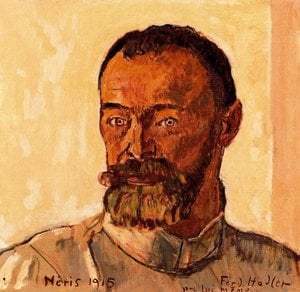
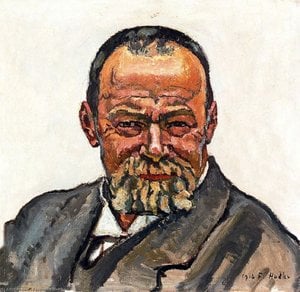
Dana učvrstile su Hodlerovu poziciju vodeće figure u evropskoj umetnosti. Druga značajna dela uključuju brojne prikaze švajcarskih Alpa, prožetih osećajem zadivljujućeg sjaja, i portrete koji otkrivaju njegovo duboko razumevanje ljudske psihologije. Često se vraćao temama gubitka i žalovanja, verovatno odražavajući svoje sopstvene traume iz detinjstva, ali ih uvek ispunjavao osećajem dostojanstva i otpornosti. Njegove slike nisu bila samo reprezentacije; bile su emocionalni pejzaži, koji pozivaju gledaoce da razmišljaju o fundamentalnim pitanjima egzistencije. Dela poput
Istine II (1897) demonstriraju Hodlerovu sposobnost da spoji klasične oblike sa modernim senzibilitetima, stvarajući slike koje su i bezvremene i izuzetno savremene – svedočenjem njegovog inovativnog duha.
Trajna baština: Uticaj i istorijski kontekst
Ferdinand Hodlerov uticaj protezao se daleko van granica Švajcarske. Njegova inovativna upotreba simbolizma i razvoj „paralelizma” pripremili su teren za ekspresionizam, sa njegovim naglaskom na subjektivne emocije i izobličene oblike. Umetnici koji su ga sledili prepoznali su ga kao prethodnika u svojim istraživanjima unutrašnjeg iskustva. Hodlerovo delo je takođe rezoniralo sa širim kulturnim strujanjem kasnog 19. i početka 20. veka – perioda obeleženog brzim društvenim promenama, naučnim napretkom i rastućom egzistencijalnom anksioznošću. Njegove slike su nudile vizuelni jezik za suočavanje sa ovim složenim pitanjima, pružajući utehu i uvid u sve neizvesniji svet. Danas se Hodlerova dela nalaze u glavnim muzejima širom Evrope i dalje, osiguravajući da njegova umetnička vizija nastavlja da inspiriše i izaziva generacije gledalaca. On ostaje monumentalna figura u švajcarskoj istoriji umetnosti, slavljen ne samo zbog svoje tehničke veštine, već i zbog njegove duboke emocionalne dubine i neumorne posvećenosti istraživanju misterija ljudskog stanja.
Dalje istraživanje Hodlera



 Pregledaj u prostoru
 Pređi na prodaju štampanih primeraka
 Podeli
 Podeli
 Detalji
 Vodič
Vodič

 Preuzmi sliku
 Slični predmeti
 Rendgenski snimak
 Automatska prezentacija
 Statistika


 Pročitaj više






































 Opcija sa staklom dostupna je samo za dimenzije manje od 110 cm