BESPLATNA KONSULTACIJA SA STRUČNJAKOM ZA UMETNOST

x
Kupi štampu Kupi štampuNaručite reprodukciju Naručite reprodukciju PošaljiPošalji
DetaljiDetalji Dodaj u omiljene Dodaj u omiljene ПреузмиПреузми Slični predmetiSlični predmeti Rendgenski snimakRendgenski snimak SlajdoviSlajdovi

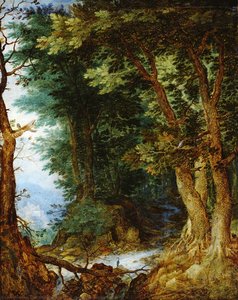
Forest Landscape

Experience the tranquility of nature with Eugène Boudin's "Forest Landscape." This 1856 Impressionist masterpiece captures fleeting light & color through visible brushstrokes.

Еugen Боudin (1824-1898): Пионир плејн аир сликања и кључна утицај на импресионизам. Откријте његове атмосферске моралије, плажне сцене и мастерски светлосни студије!

Kupite digitalnu sliku visoke rezolucije i poboljšanog kvaliteta, koja je znatno superiornija od onoga što vidite u online prikazu.

Svaka datoteka je pedantno pripremljena od strane naših stručnjaka koristeći napredne alate i profesionalnu ručnu retušu. Osiguravamo da svaka slika ima izuzetnu oštrinu, preciznu reprodukciju boja i fine detalje.

Konačna datoteka se dostavlja putem e-pošte u roku od 72 sata, optimizovana za neposrednu upotrebu u profesionalnim, izdavačkim i štamparskim okruženjima. To je isti kvalitet kojem veruju vrhunski studiji dizajna, izdavači i galerije.

Digitalna slika

Preuzmite datoteku visoke rezolucije za ličnu upotrebu, štampanje i kreativne projekte.

Ukupna cena

$9.99

Uključeno uz svaku porudžbinu digitalne slike

Profesionalna digitalna isporuka, zagarantovana

Kada odaberete WahooArt.com, ne dobijate samo sliku – vi primate profesionalno unapređeno digitalno umetničko delo, izrađeno sa najvećom preciznošću i uz garanciju zadovoljstva. Evo svega što automatski dolazi uz vašu porudžbinu:

shipping_icon
Brza dostava putem e-pošte

Vaša digitalna slika visoke rezolucije biće vam poslata putem e-pošte u roku od 72 sata od poručivanja – spremna za trenutnu upotrebu.

canvas_icon
Digitalna datoteka unapređena veštačkom inteligencijom

Vaše umetničko delo je profesionalno optimizovano korišćenjem naprednih AI alata i ručne obrade, čime se osiguravaju maksimalni detalji, oštrina i preciznost boja.

insurance_icon
Besplatna ponovna isporuka doživotno

Slučajno ste obrisali ili izgubili svoju datoteku? Ne brinite – poslaćemo vam je ponovo u bilo kom trenutku, potpuno besplatno.

tax_icon
Bez troškova uvoza – zauvek

Uživajte u svojim umetničkim delima trenutno, bez carine, dažbina ili troškova dostave – digitalni download je uvek bez poreza.

color_icon
Garancija vernosti boja

Uz pomoć profesionalnih alata i upravljanja bojama, osiguravamo da vaša digitalna slika što vernije odražava originalne boje.

return_icon
Garancija zadovoljstva u roku od 60 dana

Ako niste zadovoljni svojom digitalnom slikom, revidirat ćemo je ili vratiti 100% novca u roku od 60 dana – bez ikakvih pitanja.

guarantee_icon
100% garancija povrata novca

Niste zadovoljni? Obezbedite pun povrat novca u roku od 60 dana od trenutka kada ste primili svoju digitalnu datoteku – bez suvišnih pitanja.

discount_icon
Popusti na velike porudžbine

Kupite 3 slike, uštedite 10% - Kupite 5 slika, uštedite 15% - Kupite 10+ slika, uštedite 20%. Odlično za kreativne projekte, galerije i agencije.

Osnovne informacije

  • Medium: Oil on canvas
  • Title: Forest Landscape
  • Year: 1856
  • Notable elements or techniques:
    • Visible brushstrokes
    • Atmospheric perspective
  • Artist: Eugène Louis Boudin
  • Movement: Impressionism

Kviz o umetnosti

Svako pitanje ima samo jedan tačan odgovor.

Pitanje 1:
What artistic movement is Eugène Boudin’s "Forest Landscape" most closely associated with?
Pitanje 2:
Which of the following best describes the technique used to create the painting's textured surface?
Pitanje 3:
What is a key characteristic of Impressionist paintings like 'Forest Landscape' regarding perspective?
Pitanje 4:
What was Eugène Boudin’s early career experience that influenced his artistic development?
Pitanje 5:
What is the dominant color palette used in 'Forest Landscape'?

Opis kolekcionarskog dela

A Glimpse of Rural Tranquility: Eugène Boudin's "Forest Landscape"

This captivating artwork by Eugène Louis Boudin offers a serene glimpse into 19th-century rural life. Painted in 1856, “Forest Landscape” exemplifies the burgeoning Impressionist movement, capturing a scene of rolling hills, trees, and a bright blue sky dotted with puffy clouds. The painting depicts a path winding through the foreground, leading towards a wooded area – an invitation to wander into nature's embrace. Boudin masterfully utilizes loose brushstrokes and atmospheric perspective to create a sense of depth and distance, drawing the viewer into the scene’s tranquil atmosphere. It is more than just a depiction of a landscape; it's an exploration of light, color, and the fleeting beauty of the natural world.

Impressionistic Technique and Artistic Influences

Boudin was a pioneer in *plein air* painting – taking his easel outdoors to directly observe and capture nature’s ever-changing effects. This technique is vividly apparent in "Forest Landscape," where visible brushstrokes build up form and create a shimmering, textured surface. The color palette, dominated by greens and blues with touches of brown and yellow, further enhances the impressionistic style. Boudin's work was heavily influenced by Dutch masters and particularly by Johan Jongkind, who introduced him to *plein air* painting. He also received recognition from Charles Baudelaire and Corot, who lauded him as "the king of the skies," a testament to his exceptional ability to portray atmospheric conditions. The flattened perspective, characteristic of Impressionism, prioritizes overall impression over strict spatial accuracy, allowing the viewer to experience the scene's emotional resonance rather than precise detail.

Historical Context and Boudin’s Legacy

Painted during a period of significant artistic transition, "Forest Landscape" reflects the shift away from traditional academic painting towards a more subjective and observational approach. Boudin played a crucial role in paving the way for Impressionism, significantly influencing artists like Claude Monet and others who would later define the movement. His focus on capturing fleeting moments and atmospheric conditions challenged conventional notions of artistic representation and helped establish a new aesthetic sensibility. Boudin's dedication to painting outdoors directly contributed to the development of *plein air* techniques that became central to Impressionist practice, solidifying his place as a foundational figure in art history.

Emotional Impact and Symbolic Elements

Beyond its technical brilliance, "Forest Landscape" evokes a profound sense of tranquility and peace. The soft lighting, the winding path, and the harmonious color palette all contribute to an atmosphere of serenity. The painting subtly suggests themes of nature's restorative power and the beauty found in everyday scenes. While not overtly symbolic, the path can be interpreted as representing life’s journey or a connection between humanity and the natural world. The overall emotional impact is one of quiet contemplation and appreciation for the simple pleasures of rural life – an invitation to pause and reflect on the beauty that surrounds us.

Srodna umetnička dela


Biografija umetnika

Early Life and Artistic Beginnings

Eugène Louis Boudin, born in July 12th, 1824 in Honfleur, France, possessed a destiny inextricably linked to the sea. His father, a harbor pilot, instilled within him an early appreciation for the ever-changing moods and captivating beauty of the maritime world. This formative influence would become the cornerstone of Boudin’s artistic vision. Rather than pursuing a traditional academic path, young Eugène began his working life aboard a steamboat traversing between Le Havre and Honfleur at the tender age of ten. It was during these voyages that he first felt compelled to capture the fleeting impressions of light and water with sketches in the margins of his books—the nascent stirrings of a lifelong passion. The family’s subsequent move to Le Havre, where his father established a shop for stationery and picture frames, further immersed Boudin in an artistic environment. He worked alongside his father, eventually opening his own small shop, which brought him into contact with local artists like Constant Troyon and Jean-François Millet, who encouraged his burgeoning talent. These early encounters proved pivotal, steering him away from commerce and towards a dedicated life of painting.

Developing a Unique Style: Plein Air Painting and Influences

Boudin’s artistic development was profoundly shaped by several key influences. A crucial turning point came with his introduction to Johan Jongkind, a Dutch painter who championed the practice of en plein air—painting outdoors directly from nature. This revolutionary approach allowed Boudin to capture the ephemeral qualities of light and atmosphere with unprecedented immediacy. He embraced this technique wholeheartedly, becoming adept at rendering the subtle nuances of sky and sea. His style also drew inspiration from the 17th-century Dutch masters, whose meticulous attention to detail and atmospheric perspective resonated deeply with his own artistic sensibilities. Boudin’s pastels, characterized by their summary yet evocative brushwork, quickly garnered recognition. Critics like Charles Baudelaire lauded his ability to convey the essence of a scene with remarkable economy, while Camille Corot affectionately dubbed him “the king of the skies,” acknowledging his mastery of atmospheric effects. He was particularly drawn to Jongkind’s masterful depictions of coastal landscapes bathed in diffused sunlight—a stylistic decision that would define Boudin's artistic trajectory for decades to come.

Impressionism and Lasting Legacy

Though often categorized alongside the Impressionists, Boudin’s relationship with the movement was nuanced. He participated in the first Impressionist exhibition in 1874, showcasing his work alongside Claude Monet and other avant-garde artists. However, he never fully identified as an “Impressionist,” maintaining a more traditional approach to composition and technique. Nevertheless, his influence on the development of Impressionism was undeniable. Most notably, Boudin served as a mentor to a young Claude Monet, instilling in him a love for painting outdoors and encouraging him to abandon academic conventions in favor of capturing fleeting impressions of light and color. Monet himself credited Boudin with fundamentally shaping his artistic vision, stating that Boudin had “torn the veil from my eyes” and revealed the true potential of landscape painting. Throughout his career, Boudin received numerous accolades, including a third-place medal at the Paris Salon in 1881 and a gold medal at the 1889 Exposition Universelle. He was knighted into the Légion d’honneur—a testament to his enduring contribution to French art.

Major Works and Artistic Themes

Boudin's oeuvre is characterized by a deep connection to the sea and coastal landscapes of Normandy. Still Life with Lobster on a White Tablecloth, now housed at the High Museum of Art in Atlanta, exemplifies his somber yet noble approach to still life painting, imbued with a sense of quiet contemplation. His beach scenes, populated with figures enjoying leisurely pursuits, capture the vibrancy and vitality of seaside life. Honfleur, the Saint Catherine Market Place, showcases his skill at depicting bustling urban environments bathed in natural light. Throughout his work, Boudin consistently explored themes of transience, atmosphere, and the interplay between humanity and nature. He possessed an exceptional ability to convey the subtle shifts in weather and light, creating paintings that evoke a powerful sense of place and mood. His dedication to capturing these fleeting moments solidified his reputation as a master of atmospheric perspective and a pioneer of plein air painting. ##Final Years and Enduring Influence In his later years, Boudin continued to travel extensively, seeking inspiration in Belgium, the Netherlands, and southern France. He also made several visits to Venice, captivated by its unique light and architectural beauty. Despite facing health challenges, he remained remarkably productive, consistently exhibiting his work and mentoring younger artists. Eugène Louis Boudin passed away in August 8th, 1898 at Deauville, overlooking the English Channel that had so profoundly shaped his life and art. His legacy extends far beyond his own paintings; the Eugène Boudin Prize, awarded by the Société Nationale des Beaux-Arts, stands as a lasting tribute to his enduring influence on generations of artists. Today, his works are celebrated in museums worldwide, including the Musée d’Orsay in Paris, which houses several of his most iconic paintings, such as Landscape with Sunset. Boudin's remarkable career serves as a testament to the power of observation, the beauty of nature, and the enduring allure of the sea.
Eugène Ludović Boudin

Eugène Ludović Boudin

1824 - 1898 , Франција

Kratke činjenice

  • Artistic Movement Or Style: Импресионизам
  • Artists Or Movements Influenced By This Artist: ['Клод Монет']
  • Artists Who Influenced This Artist:
    • Жоан Жонкомд
    • Холандски ренесанса
  • Date Of Birth: 12. јули 1824.
  • Date Of Death: 8. август 1898.
  • Full Name: Eugène Louis Boudin
  • Nationality: Француски
  • Notable Artworks:
    • Стилски живот са клебером
    • Панорама закатног неба
    • Портрет девојчице
  • Place Of Birth: Хонфлур, Француска