BESPLATNA KONSULTACIJA SA STRUČNJAKOM ZA UMETNOST

x
Kupi štampu Kupi štampuKupi digitalnu sliku Kupi digitalnu sliku PošaljiPošalji
DetailsDetails Dodaj u omiljene Dodaj u omiljene ПреузмиПреузми Slični predmetiSlični predmeti X-RayX-Ray SlajdoviSlajdovi

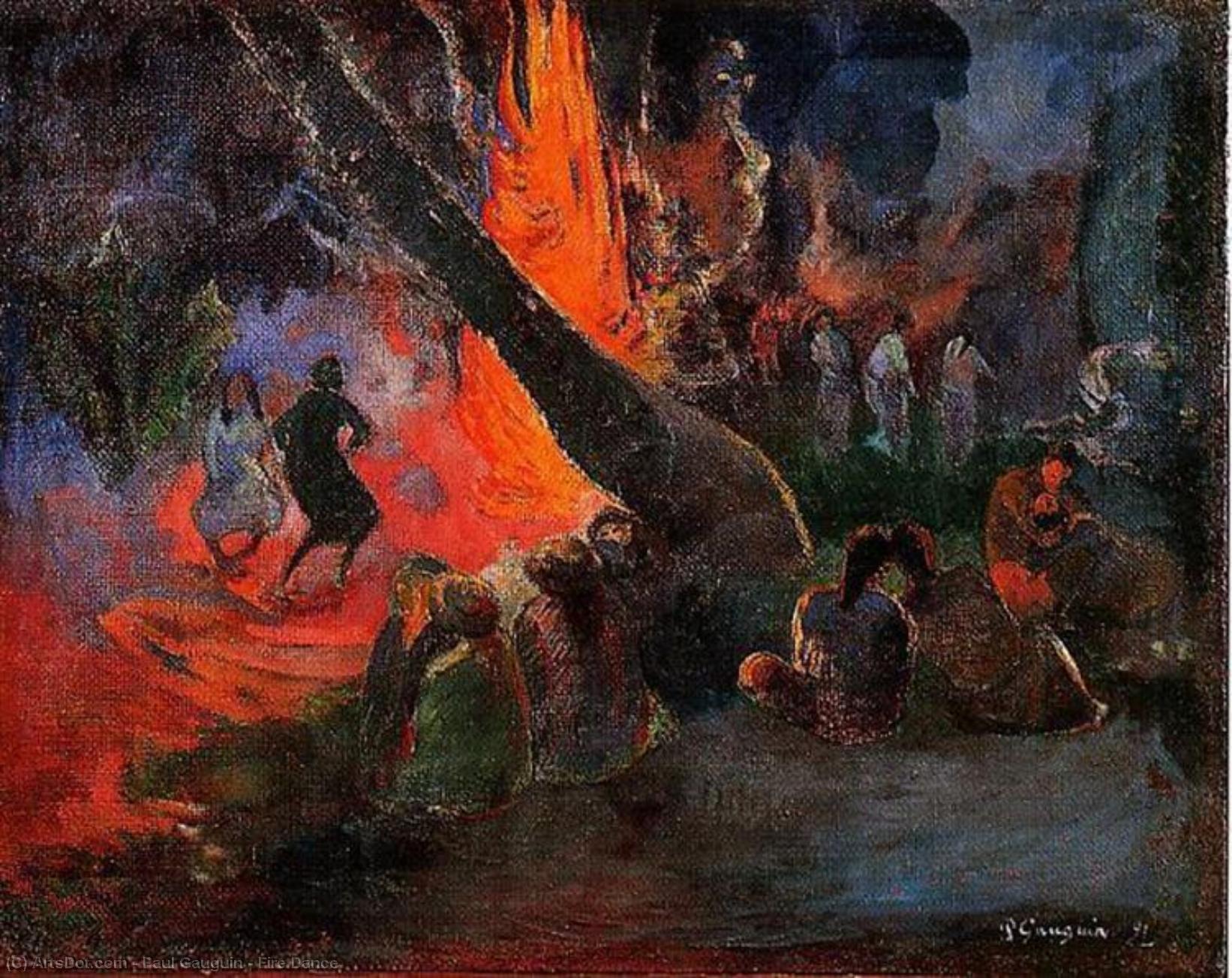
Fire Dance

Paul Gauguin: Revolucionarni umetnik impresionizma poznat po intenzivnim bojama i egzotičkim motivima koji su oblikovali umetnost početka 20. veka. Istražite njegov stil, simbolizam i istorijski značaj ovog umetnika!

Ručno rađena uljana reprodukcija

Ručno oslikano uljanim bojama na platnu u dimenzijama i okviru po vašem izboru, izrađeno po porudžbini od strane naših umetnika.


P118B $10
P118H $10
P118W $10
P438Z $10
P508JH $12
P508YH $12
P805H $10
P805Z $10
P919BZ $10
P919G $10
P919XJ $10
P959ZH $10
P968JZ $12
W106C $8
W218G $10
W218JH $8
W218Y $10
W307PJ $10
W316G $10
W316PJ $8
W316Y $10
W398PJ $8
W4111J $10
W500HY $15
W500JH $15
W692G $12
W849H $8
W940BG $15
W953PJ $8

Standard
custom
CM
INCH

Izaberite jednu od naših unapred definisanih veličina koje odgovaraju originalnim proporcijama umetničkog dela.

širina
visina

Можете унети сопствене димензије како бисте прилагодили дело одређеном оквиру или простору. Ако одабрана величина не одговара пропорцијама оригинала, слика ће бити исечена или проширена додатним елементима који се ручно насликавају. Дигитални prikaz ће вам бити послат на одобрење пре почетка производње.
Имајте на уму да преглед на екрану не одражава стварно исецање или проширење. Само приказ (mockup) ће тачно приказати коначну композицију.
Иако су доступне прилагођене величине, препоручујемо да одаберете димензију из дефинисане листе како бисте сачували оригиналне пропорције.

Primeri onoga što se može promeniti: Zamena lica fotografijom kupca; Dodavanje ljubimca (npr. zamena mačke psom); Uključivanje skrivene poruke u pozadini; Promena pejzaža ili elemenata pozadine.
Nakon narudžbine, tim WahooArt.com će klijentu putem e-pošte poslati uputstva i dostaviti prikaz predloženog rešenja

Isporuka širom sveta () za 3/4 nedelje umesto uobičajenih 5 nedelja. (1 јул). Bez kompromisa po pitanju kvaliteta.

why_choose_icon
Besplatna ekspresna dostava širom sveta
why_choose_icon
Visokokvalitetno laneno platno
why_choose_icon
Kompletno osiguranje transporta
why_choose_icon
Garancija povraćaja carine i uvoznih dažbina
why_choose_icon
Garancija vernosti boja
why_choose_icon
Politika povrata u roku od 60 dana (samo u slučaju nedostataka)
why_choose_icon
Garancija povrata novca od 100%
why_choose_icon
Popust pri grupnoj kupovini

Ukupna cena

-

reproduction

Fire Dance

Tehnika reprodukcije

Dimenzije reprodukcije

-

Konačna cena

-

Osnovne informacije

  • Artistic style: Symbolic
  • Influences: Tahitian culture
  • Title: Fire Dance
  • Artist: Eugène Henri Paul Gauguin
  • Notable elements or techniques: Cloisonnism, Bold colors
  • Medium: Oil on canvas

Kviz o umetnosti

Svako pitanje ima samo jedan tačan odgovor.

Pitanje 1:
What artistic movement is Paul Gauguin’s ‘Fire Dance’ primarily associated with?
Pitanje 2:
The painting depicts a gathering around a fire. What is the significance of this imagery within Gauguin’s artistic vision?
Pitanje 3:
Approximately how many people are depicted in the painting?
Pitanje 4:
What object is prominently placed near the center-right side of the canvas?
Pitanje 5:
‘Fire Dance’ exemplifies Gauguin's stylistic approach known as Cloisonnism. What characterizes this technique?

Opis umetničkog dela

A Gathering Around Flame: Decoding Gauguin’s “Fire Dance”

Paul Gauguin's "Fire Dance," painted in 1891, isn’t merely a depiction of a Polynesian ritual; it’s an embodiment of Gauguin’s profound quest for primal beauty and spiritual connection—a journey that cemented his place as one of the most influential artists of the late nineteenth century. Captured with masterful brushstrokes and saturated hues characteristic of Post-Impressionism, this canvas transports us to Tahiti, where Gauguin meticulously observed and documented the traditions of the Marquesas Islands. The painting’s genesis lies in Gauguin's desire to escape the constraints of Parisian bourgeois society and immerse himself in cultures untouched by Western influence—a yearning that fueled his artistic experimentation and propelled him toward a revolutionary visual language.
  • Subject Matter: The scene portrays a group of individuals engaged in a communal fire ceremony, reflecting Polynesian customs and beliefs about fertility and renewal.
  • Style: Gauguin’s Post-Impressionist style prioritizes expressive color and simplified forms over realistic representation. He abandons the meticulous detail favored by Impressionists, opting instead for bold strokes that convey emotion and atmosphere.
  • Technique: Gauguin employed a technique known as Cloisonnism—a method of applying paint in distinct areas separated by thin lines of wax—creating a textured surface that enhances the vibrancy of the colors and contributes to the painting’s overall visual impact.
The composition itself is deliberately asymmetrical, drawing the viewer's eye toward the central fire, which dominates the canvas with its radiant glow. Surrounding figures are rendered in earthy tones – ochre, crimson, and umber – mirroring the natural landscape of Tahiti and emphasizing the connection between humanity and nature. The inclusion of a bowl adds to the scene’s narrative depth, hinting at sustenance and ritualistic offerings—elements crucial to understanding Gauguin's artistic vision. He sought to capture not just what he saw but what he *felt*, conveying a sense of primal energy and spiritual contemplation. Historical Context: Painted during Gauguin’s extended stay in Tahiti, “Fire Dance” reflects the broader intellectual currents of its time—particularly Nietzschean philosophy's celebration of instinct and Dionysian ecstasy. Gauguin’s work challenged prevailing artistic conventions and paved the way for Expressionism and Surrealism, demonstrating that art could transcend mere imitation of reality to express profound psychological and spiritual truths. The painting stands as a testament to Gauguin’s unwavering commitment to capturing the essence of non-Western cultures and his pioneering role in shaping modern art history. Symbolism: Beyond its depiction of ritualistic practice, “Fire Dance” is laden with symbolic significance. Fire represents purification, transformation, and divine illumination—themes central to Polynesian mythology and Gauguin’s own spiritual explorations. The figures themselves embody humanity's connection to the earth and its primal instincts, reflecting Gauguin’s belief in a return to simpler, more authentic ways of life.
  • The fire symbolizes renewal and purification
  • The bowl represents sustenance and ritualistic offerings
  • The earthy tones reflect the natural landscape of Tahiti
“Fire Dance” continues to captivate viewers today with its arresting color palette, dynamic composition, and evocative portrayal of human experience. Its enduring appeal lies in Gauguin’s ability to distill complex ideas into a visually compelling image—a masterpiece that embodies the spirit of artistic rebellion and celebrates the beauty of untamed nature.

Srodna umetnička dela

Евгејн Жорж Паул Гаугин - Tri tahitijanca
Евгејн Жорж Паул Гаугин
Tri tahitijanca
Евгејн Жорж Паул Гаугин - Tahitian Woman with Evil Spirit
Евгејн Жорж Паул Гаугин
Tahitian Woman with Evil Spirit
Евгејн Жорж Паул Гаугин - Татској жена и момче
Евгејн Жорж Паул Гаугин
Татској жена и момче
Евгејн Жорж Паул Гаугин - Three Tahitian Women against a Yellow Background
Евгејн Жорж Паул Гаугин
Three Tahitian Women against a Yellow Background
Евгејн Жорж Паул Гаугин - A Canoe (Tahitian Family),
Евгејн Жорж Паул Гаугин
A Canoe (Tahitian Family),
Евгејн Жорж Паул Гаугин - Two Tahitian Women with Mango Blossoms
Евгејн Жорж Паул Гаугин
Two Tahitian Women with Mango Blossoms
Евгејн Жорж Паул Гаугин - Landscape with black pigs and a crouching Tahitian
Евгејн Жорж Паул Гаугин
Landscape with black pigs and a crouching Tahitian
Евгејн Жорж Паул Гаугин - Tahitian Woman near a River
Евгејн Жорж Паул Гаугин
Tahitian Woman near a River
Евгејн Жорж Паул Гаугин - Fire by the water
Евгејн Жорж Паул Гаугин
Fire by the water
Евгејн Жорж Паул Гаугин - Tahitian idyll
Евгејн Жорж Паул Гаугин
Tahitian idyll

Biografija umetnika

Eugène Henri Paul Gauguin: A Life Painted in Bold Strokes

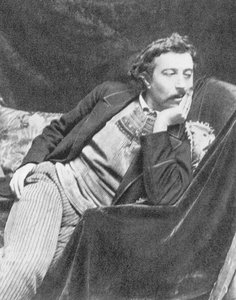
Eugène Henri Paul Gauguin, a name that resonates with vibrant color and rebellious spirit, stands as a pivotal figure in the transition from Impressionism to modern art. Born in Paris in 1848, his life was anything but conventional. His early years were shaped by an unusual upbringing; his father a journalist, and his mother descended from Peruvian aristocracy—her grandmother, Flora Tristan, a pioneering feminist and socialist writer whose ideals undoubtedly resonated within the family. This heritage would profoundly shape Gauguin’s artistic vision, instilling in him a fascination with cultures beyond Europe. A formative period spent in Peru as a child, following his family's relocation in 1850, immersed him in a world vastly different from Parisian society, an experience that lingered and ultimately fueled his quest for authenticity in art. Returning to France after his father’s death, Gauguin received a formal education but found himself drawn not to academia, but to the burgeoning financial world, embarking on a career as a stockbroker—a path seemingly at odds with the artistic destiny that awaited him. ### Early Influences and Artistic Beginnings Gauguin's initial exposure to art came through his father’s collection, which included works by Impressionists like Camille Corot and Eugène Delacroix – artists who championed capturing fleeting moments of light and color. However, Gauguin quickly recognized the limitations of Impressionism’s focus on optical perception, perceiving it as too superficial to convey deeper emotional truths. He experimented with Impressionistic techniques in his early paintings, notably landscapes bathed in sunlight, demonstrating a commendable grasp of tonal gradation and atmospheric perspective. Yet, he soon felt compelled to break free from these conventions, yearning for a more expressive style that would allow him to communicate his inner world—a desire that would propel him toward the revolutionary Symbolist movement. This dissatisfaction stemmed partly from his belief that Impressionism lacked spiritual depth, prioritizing visual beauty over moral or philosophical contemplation. ### The Stockbroker’s Double Life and Artistic Exploration For years, Gauguin pursued a respectable profession as a stockbroker alongside his artistic endeavors—a duality that provided him with both financial stability and the freedom to indulge in his creative passions. This dual existence allowed him to cultivate his skills independently of commercial pressures, fostering an environment conducive to experimentation and innovation. However, it was also a source of inner conflict, as Gauguin wrestled with reconciling his desire for artistic fulfillment with societal expectations. The financial crisis of 1882 served as a catalyst for this transformation, forcing him to abandon his lucrative career and wholeheartedly embrace painting—a decision that would irrevocably alter the trajectory of his life and work. ### Brittany and Symbolist Style: Seeking Authenticity Inspired by the rugged landscapes and traditions of Brittany, Gauguin embarked on a series of paintings exploring themes of rural life and spirituality. He deliberately simplified forms, flattened perspectives, and employed bold outlines—techniques that departed significantly from Impressionistic realism. These stylistic choices reflected his conviction that art should strive for “primitive” expression, capturing the essence of human experience without resorting to elaborate illusionism. Gauguin’s use of color became increasingly vibrant and symbolic, rejecting naturalistic hues in favor of hues that conveyed emotion and spiritual significance—a hallmark of Symbolist aesthetics. His paintings from this period, such as “The Breton Woman” and “Portrait of Père Tanguy” exemplify his commitment to conveying inner states rather than merely depicting external appearances. ### Tahiti: Exile and Artistic Revelation Gauguin’s most transformative experience occurred during his voyage to Tahiti in 1891—a journey that marked the beginning of his self-imposed exile from European society. Seeking refuge from what he perceived as its moral corruption and intellectual stagnation, Gauguin sought inspiration in Polynesian culture, believing it offered a path toward spiritual liberation. He immersed himself in local customs and traditions, documenting them through his distinctive artistic style—a style characterized by bold colors, simplified forms, and symbolic imagery heavily influenced by Japanese prints (Japonisme). This period yielded masterpieces such as “Vision After the Sermon” and “Where Do We Come From? Where Are We Going?” – paintings that encapsulate his profound engagement with religious symbolism and his exploration of primal emotions. Gauguin’s artistic vision reached its zenith in Tahiti, where he created a body of work that stands apart from anything produced by his contemporaries—a testament to his unwavering dedication to pursuing artistic truth beyond the confines of conventional art practice. His bold use of color, combined with flattened perspectives and stylized figures, cemented his place as one of the most influential artists of the late nineteenth century. ### Legacy and Influence Paul Gauguin’s impact on subsequent generations of artists is undeniable. He challenged prevailing aesthetic conventions, advocating for a style rooted in subjective experience rather than objective observation—a stance that resonated deeply with movements like Fauvism and Expressionism. His exploration of primal themes and his masterful manipulation of color profoundly influenced painters such as Pablo Picasso, Henri Matisse, and Edvard Munch. Gauguin’s unwavering commitment to artistic freedom and his rejection of societal norms continue to inspire artists today—serving as a reminder that true creativity requires courage, conviction, and a willingness to transcend established boundaries. He remains an enduring symbol of the artist as wanderer, seeking inspiration in distant lands and embracing unconventional paths—a legacy that secures his place among the titans of modern art.
Евгејн Жорж Паул Гаугин

Евгејн Жорж Паул Гаугин

1848 - 1903 , Француска

Osnovne informacije

  • Artistic Movement Or Style: Постимпрезионизам и Симболизам
  • Artists Or Movements Influenced By This Artist: ['Пабло Пикасо']
  • Artists Who Influenced This Artist: ['Камил Писаро']
  • Date Of Birth: 7. јун 1848.
  • Date Of Death: 8. мај 1903.
  • Full Name: Eugène Henri Paul Gauguin
  • Nationality: Француски
  • Notable Artworks:
    • Вахине но те мити
    • Манао Тупапу
    • Једног од Божјих дана
  • Place Of Birth: Париз, Француска
Istražite umetnička dela organizovana prema temama, stilovima i karakteristikama.