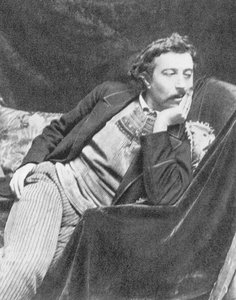
Život iscrtan hrabrim potezima: Svet Pavla Gogena
Ežen Henri Pol Gogen, ime koje odjekuje živopisnom bojom i buntovnim duhom, predstavlja ključnu figuru u prelazu sa impresionizma na modernu umetnost. Rođen u Parizu 1848. godine, njegov život bio je sve samo ne konvencionalan. Njegove rane godine oblikovalo je neobično odgojeno okruženje; otac novinar i majka poreklom iz peruanske aristokratije—čija je baka, Flora Tristan, bila pionirska feministkinja i socijalistička spisateljica čiji su ideali nesumnjivo odjekivali unutar porodice. Ovo nasleđe će duboko oblikovati Gogenov umetnički vid, ugrađujući u njega fascinaciju kulturama izvan Evrope. Formativni period proveden u Peruu kao dete, nakon preseljenja porodice 1850. godine, uronio ga je u svet koji se drastično razlikovao od pariskog društva, iskustvo koje je ostalo u njemu i na kraju podstaklo njegovu potragu za autentičnošću u umetnosti. Vraćajući se u Francusku nakon očeve smrti, Gogen je stekao formalno obrazovanje, ali se nije povukao ka akademskim krugovima, već prema uzbudljivom svetu finansija, započevši karijeru berzanskog posrednika—put koji je naizgled bio u suprotnosti sa umetničkom sudbinom koja ga je čekala.
Od finansija do umetničkog poziva
Godinama je Gogen vodio dvostruki život, marljivo se posvećujući poslovnim poduhvatima dok je u tajnosti negovao strast prema slikarstvu. U početku pod uticajem impresionista, počeo je da eksperimentiše sa bojom i svetlošću u slobodno vreme, ali je ubrzo osetio ograničenost njihovom posvećenošću hvatanju prolaznih trenutaka stvarnosti. Finansijska kriza 1882. godine pokazala se kao prekretnica, primoravajući ga da napusti svoju unosnu karijeru i svim srcem prihvati svoj umetnički poziv. Ovo nije bio samo promenu profesije; bila je to fundamentalna promena svetskog pogleda. Tražio je vođstvo od Kamila Pizara, koji je podsticao njegov razvoj i uveo ga u avangardne krugove Pariza. Međutim, Gogen je ubrzo počeo da odstupa od impresionističkih principa, žudeći za nečim ekspresivnijim, simboličnijim—sredstvom za prenošenje ne samo onoga što je *video*, već i onoga što je *osećao*. Ova želja vodila ga je na put umetničkog istraživanja koji će ga odvesti daleko izvan pariskih salona, u samo srce „primitivnih“ kultura. Nije ga zanimalo samo prikazivanje tih kultura; želeo je da upije njihovu suštinu, verujući da one čuvaju čistotu izgubljenu u zapadnoj civilizaciji.
Poziv Bretanje i Tahitija
Gojenova umetnička evolucija bila je neraskidivo povezana sa njegovim putovanjima. Proveo je vreme u Bretaniji, očaran krutim pejzažima i duboko ukorenjenim tradicijama njenog naroda. Ovaj period obeležilo je eksperimentisanje sa ravnim formama, hrabrim konturama i pojednostavljenom kompozicijom—tehnikama koje su ga udaljile od naturalizma i približile simboličkom jeziku. Ali upravo je njegovo putovanje na Tahiti 1891. godine istinski oslobodilo njegov kreativni potencijal. Tražeći utočište od onoga što je doživljavao kao gušeća ograničenja evropske civilizacije, Gogen se nadao da će pronaći inspiraciju u polinezijskoj kulturi, verujući da ona nudi čistiji, autentičniji način života. Ovo nije bilo samo umetničko težnje; bila je to duhovna potraga. Uronio je u lokalne običaje i verovanja, prikazujući polinezijske žene, pejzaže i religijske prakse kroz svoju jedinstvenu optiku. Pod uticajem japanskih printova—
Japonizma—i srednjovekovne umetnosti, razvio je specifičnu estetiku koju karakterišu vibrantne boje, egzotične teme i aura misterije. Ikonična dela poput
„Vahine no te miti” (Žena sa mangom),
„Manao Tupapau” (Pod nadzorom duha mrtvih) i
„Dan bogova” proizašla su iz ovog perioda, učvrstivši njegovu reputaciju vizionarskog umetnika. Njegova upotreba boje postajala je sve hrabrija i nenaturalistička, služeći ne da replicira stvarnost, već da izrazi emociju i duhovno značenje.
Nasleđe i kontroverze
Uprkos svojim umetničkim dostignućima, Gojenov život često je bio obeležen nedaćama. Borio se sa finansijskim poteškoćama i opadajućim zdravljem tokom vremena provedenog na Tahitiju, a kasnije i na Marquesas ostrvima, gde se na kraju nastanio. Ipak, nastavio je da slika obilno, neumorno istražujući teme života, smrti i duhovnosti. Umro je 1903. godine na Hiva Oa, udaljenom ostrvu u arhipelagu Marquesas, uglavnom nepriznat u svom geniju. Tek nakon njegove smrti, Gogenova dela su počela da dobijaju priznanje koje su zasluživala. Danas se on slavi kao ključna figura u razvoju moderne umetnosti, koja je premostila jaz između impresionizma i simbolizma, postavljajući temelje pokretima poput fauvizma. Njegova upotreba boje, pojednostavljenih formi i simboličkih slika duboko je uticala na umetnike kao što su Pablo Pikaso, Henri Matiš i mnogi drugi. Međutim, Gojen ostaje kontroverzna figura zbog aspekata svog privatnog života—naročito svojih odnosa sa mladim polinezijskim ženama—koji se nastavljaju da debatuju i reinterpretiraju u svetlu savremenih etičkih pitanja. Bez obzira na to, njegov umetnički doprinos je neosporan, a njegovo nasleđe nastavlja da inspiriše umetnike i ljubitelje umetnosti širom sveta. Bio je pravi inovator, buntovnik koji se usudio da izazove konvencije i izgradi sopstveni put, ostavljajući za sobom korpus dela koji je jednako očaravajući i enigmatičan kao i sam čovek.
Ključni uticaji i umetničke karakteristike
- Impresionizam: Rani uticaj na boju i svetlost, kasnije odbaceni zbog fokusa na prolaznu stvarnost.
- Japonizam: Inspirisao ravnije perspektive, hrabre konture i dekorativne obrasce.
- Srednjovekovna umetnost: Uticala na simboličku ikonografiju i odbacivanje strogog realizma.
- Sintezizam: Stil koji je razvio Gogen, naglašavajući stvaranje umetnosti zasnovano na subjektivnom iskustvu umesto na objektivnom posmatranju.
- Primitivizam: Fascinacija nezapadnim kulturama, uz verovanje da one nude autentičniji i duhovniji način života, što se ogleda u njegovim temama i stilskim odlukama.



 Pregledaj u prostoru
 Naručite ručno oslikano reprodukciju
 Podeli
 Podeli
 Detalji
 Vodič
Vodič

 Preuzmi sliku
 Slični predmeti
 Rendgenski snimak
 Automatska prezentacija
 Statistika
 Pročitaj više






































 Opcija sa staklom dostupna je samo za dimenzije manje od 110 cm