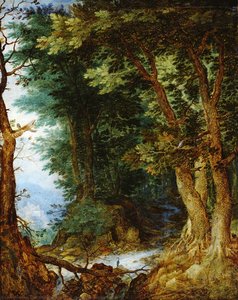
Две жене у шуми by Ерnst Лудвиг Киршнер, hand-painted oil painting reproduction by a master artist
Pregledaj u prostoru AR pregled Pređi na štampu Pređi na digitalnu sliku Pošalji
Detalji o delu Vodič Dodaj u omiljene Preuzmi Slični predmeti Rendgenski snimak Automatska prezentacija Q&A Statistika

Две жене у шуми Hand-painted oil painting reproduction

Уметничка репродукција слике „Две жене у шуми“ од Ернста Лудвиха Кирхера, познатог експресионистичког сликара из Немачке. Задивљите се његовим бојним и емоционалним делима која приказују градски живот и природу.

Ernst Ludwig Kirchner (1880-1938): Ključni umetnik ekspresionizma i osnivač Die Brücke grupe. Istražite snažne emocije u njegovim slikama grada, golih tela i pejzaža – izraz umetnosti početka 20. veka koji vas uvlači u svet umetnosti i umetničkog dela.

Ručno rađena uljana reprodukcija

Ručno oslikano uljanim bojama na platnu u dimenzijama i okviru po vašem izboru, izrađeno po porudžbini od strane naših umetnika. ( Pređi na štampu Pređi na digitalnu sliku)

Corner sample of the P118B picture frame: oblikovani polistiren, 5 cm wide and 3 cm thick
P118B дин10
Corner sample of the P118H picture frame: oblikovani polistiren, 5 cm wide and 3 cm thick
P118H дин10
Corner sample of the P118W picture frame: oblikovani polistiren, 5 cm wide and 3 cm thick
P118W дин10
Corner sample of the P438Z picture frame: oblikovani polistiren, 5.5 cm wide and 3.5 cm thick
P438Z дин10
Corner sample of the P508JH picture frame: oblikovani polistiren, 7 cm wide and 3.5 cm thick
P508JH дин12
Corner sample of the P508YH picture frame: oblikovani polistiren, 7 cm wide and 3.5 cm thick
P508YH дин12
Corner sample of the P805H picture frame: oblikovani polistiren, 5 cm wide and 3.5 cm thick
P805H дин10
Corner sample of the P805Z picture frame: oblikovani polistiren, 5 cm wide and 3.5 cm thick
P805Z дин10
Corner sample of the P919BZ picture frame: oblikovani polistiren, 7 cm wide and 3.5 cm thick
P919BZ дин10
Corner sample of the P919G picture frame: oblikovani polistiren, 7 cm wide and 3.5 cm thick
P919G дин10
Corner sample of the P919XJ picture frame: oblikovani polistiren, 7 cm wide and 3.5 cm thick
P919XJ дин10
Corner sample of the P959ZH picture frame: oblikovani polistiren, 5 cm wide and 3 cm thick
P959ZH дин10
Corner sample of the P968JZ picture frame: oblikovani polistiren, 6 cm wide and 4 cm thick
P968JZ дин12
Corner sample of the W106C picture frame: masivno drvo, 5 cm wide and 3 cm thick
W106C дин8
Corner sample of the W218G picture frame: masivno drvo, 5 cm wide and 3 cm thick
W218G дин10
Corner sample of the W218JH picture frame: masivno drvo, 5 cm wide and 3 cm thick
W218JH дин8
Corner sample of the W218Y picture frame: masivno drvo, 5 cm wide and 3 cm thick
W218Y дин10
Corner sample of the W307PJ picture frame: masivno drvo, 6 cm wide and 3 cm thick
W307PJ дин10
Corner sample of the W316G picture frame: masivno drvo, 6 cm wide and 3 cm thick
W316G дин10
Corner sample of the W316PJ picture frame: masivno drvo, 6 cm wide and 3 cm thick
W316PJ дин8
Corner sample of the W316Y picture frame: masivno drvo, 6 cm wide and 3 cm thick
W316Y дин10
Corner sample of the W398PJ picture frame: masivno drvo, 5 cm wide and 3 cm thick
W398PJ дин8
Corner sample of the W4111J picture frame: masivno drvo, 6.5 cm wide and 3.5 cm thick
W4111J дин10
Corner sample of the W500HY picture frame: masivno drvo, 7 cm wide and 5 cm thick
W500HY дин15
Corner sample of the W500JH picture frame: masivno drvo, 7 cm wide and 5 cm thick
W500JH дин15
Corner sample of the W692G picture frame: masivno drvo, 8 cm wide and 4 cm thick
W692G дин12
Corner sample of the W849H picture frame: masivno drvo, 5 cm wide and 3 cm thick
W849H дин8
Corner sample of the W940BG picture frame: masivno drvo, 7.5 cm wide and 4.5 cm thick
W940BG дин15
Corner sample of the W953PJ picture frame: masivno drvo, 6 cm wide and 3.5 cm thick
W953PJ дин8

Standardne dimenzije
po meri
CM
INCH

Izaberite jednu od naših unapred definisanih veličina koje odgovaraju originalnim proporcijama umetničkog dela.

širina
visina

Unesite potrebnu širinu i visinu kako bi se slika uklopila u vaš ram ili zid. Pošto je ovo ručno oslikano delo, umetnik može za dimenzije drugačijeg oblika naslikati malo više prostora oko slike ili malo skratiti ivice — izbor je na vama. Pre početka rada, poslaćemo vam digitalni prikaz radi potvrde. Slika prikazana na ovoj stranici ne predstavlja konačan rezultat — samo digitalni prikaz pokazuje stvarnu sliku.

Primeri mogućih izmena: Zamena lica fotografijom kupca; Dodavanje ljubimca (npr. zamena mačke psom); Uključivanje skrivene poruke u pozadini; Promena pejzaža ili elemenata pozadine.
Nakon narudžbine, tim WahooArt.com će klijentu putem e-pošte poslati uputstva i dostaviti prikaz predloženog rešenja

Svetska isporuka () za 3/4 nedelje umesto uobičajenih 5 nedelja. (31 октобар). Bez kompromisa po pitanju kvaliteta.

Besplatna ekspresna dostava širom sveta
Visokokvalitetno laneno platno
Potpuno osiguranje transporta
Garancija povraćaja carine i uvoznih dažbina
Garancija vernosti boja
Politika povraćaja u roku od 100 dana (samo u slučaju nedostataka)
Garancija povrata 100% novca
Popust na više proizvoda

Ukupna cena

дин 28346

Две жене у шуми

Tehnika reprodukcije

Dimenzije reprodukcije

-

Ukupna cena

дин 28346

Osnovne informacije

  • Artistic style: Abstraktni ekspresionizam
  • Year: 1925
  • Subject or theme: Priroda, ljudska figura
  • Notable elements or techniques: Bold boje, ekspresivne linije
  • Title: Dve žene u šumi
  • Medium: Ulje na platnu

Pozadina umetnosti: „Две жене у шуми“ Ернста Лудвиха Кирхера

„Две жене у шуми“ је одлика кирхерске експресионистичке школе и представља веома значајну радњу немачког сликара Ернста Лудвиха Кирхера из 1925. године. Ова пејзажна композиција преноси емоције и осећања које су карактеристичне за период раног 20. века, време великих културних и политичких промена у Европи и широм свету. Кирхер је био веома активнији у групацији „Ди Брук“, чије су целине био посвећење експресионистичком стилу и освајању нових начина изражавања у сликарству.
  • Стил и техника:
  • Одабрани колористички тон и технике које је Кирхер користио су одлика његове експресионистичке школе. Сликарство се карактерише јаким контрастом боја, који се може видети у светлим деловима шуме и темним облацима преко дрвета. Кирхер је био веома уметан да пренесе осећање туге и изолације које су карактеристичне за експресионистичку школу.
  • Историјски контекст:
  • Кирхер је радио у време великих политичких и социјалних трендова, укључујући период Првог светског рата и послератне инфлације. Експресионизам је био реакција на ове доминантне силе и покушај да се изрази супротна гледишће и емоције које су карактеристичне за човека у модерном свету.
Симболизам:
  • Шума је симбол природе и тишине, али и одређеног нивоа опасности. Женски ликови су представљени као женска сила која се бори за своју позицију у свету и покушава да задржи своју човечност у средству техничке индустрије.
Емоционални утицај: „Две жене у шуми“ су сликарство које је веома емоционално и интимно. Кирхер је успео да пренесе осећање туге, самоте и страха које су карактеристичне за човека у модерном свету. Ово је сликарство које говори о човечности и човековом односу са природом и самим собом. Радња је одлика експресионистичке школе и представља веома значајну радњу Ернста Лудвиха Кирхера која је запамћена као један од највећих светских сликара своје епохе. Ово је идеалан комад за колекционаре који траже уметност која говори о човечности и осећањима.

Pitanja i odgovori

Da li se prikaz „Две жене у шуми”, autor Ерnst Лудвиг Киршнер može slobodno reprodukovati?

Status autorskih prava za „Две жене у шуми”, autor Ерnst Лудвиг Киршнер: delo je u javnom vlasništvu – autorska prava su istekla. Ovo određuje da li se reprodukcije slike mogu slobodno izrađivati.

Mogu li da koristim proširenu stvarnost kako bih video/la „Две жене у шуми”, autor Ерnst Лудвиг Киршнер u svojoj prostoriji?

Stranica AR prikaz za delo „Две жене у шуми”, autor Ерnst Лудвиг Киршнер koristi proširenu stvarnost kako bi vam prikazala umetničko delo u vašem sopstvenom prostoru, pomoću kompatibilnog uređaja.

S obzirom na svoje boje, za koju se prostoriju preporučuje „Две жене у шуми”, autor Ерnst Лудвиг Киршнер?

S obzirom na svoju Tamni tonovi paletu boja, predlaže se da "Две жене у шуми" stoji u Restoran.


Biografija umetnika

Ernst Ludwig Kirchner (1880-1938): A Life Forged in Expression

Ernst Ludwig Kirchner, a name inextricably linked to the visceral heart of German Expressionism, wasn’t merely an artist; he was a conduit for anxieties simmering beneath the surface of early 20th-century Europe. Born into Bavaria's quiet countryside in 1880, his formative years instilled within him a profound awareness of displacement—a feeling that would become a cornerstone of his artistic vision. From Frankfurt’s bustling streets to Perlen’s serene lakes and finally settling in Chemnitz, Kirchner absorbed the accelerating pace of modernity, grappling with its promises and perils. Initially pursuing architecture at Dresden University, he swiftly recognized painting as his true calling – driven by an admiration for masters like Albrecht Dürer and a rebellious rejection of academic conventions. He found solace and camaraderie amongst fellow artists—Fritz Bleyl, Karl Schmidt-Rottluff, Erich Heckel—forming bonds that would propel them to forge a revolutionary artistic movement.

The Genesis of Die Brücke: Seeking Authenticity Amidst Change

Kirchner’s artistic journey gained momentum in 1905 with the founding of *Die Brücke* (“The Bridge”), an artistic collective determined to transcend prevailing aesthetic norms and embrace raw emotional expression. This wasn't simply stylistic ambition; it was a philosophical crusade. The group drew inspiration from sources often dismissed by mainstream art circles—primitive art from Africa and Oceania, the turbulent hues of Vincent van Gogh, and Edvard Munch’s haunting explorations of psychological torment. Rejecting idealized beauty championed by academic painting, *Die Brücke* artists deliberately distorted forms, employed jarring color palettes, and utilized expressive brushwork to convey the pervasive anxieties surrounding urbanization and societal transformation. Kirchner's early canvases pulsed with restless energy—a reflection of the collective’s shared conviction that art could confront uncomfortable truths and challenge accepted ideologies. The studio became a crucible for experimentation, mirroring the broader cultural landscape of its time.

A Painter's Palette: Style and Technique

Kirchner’s distinctive artistic style was immediately recognizable for its bold visual language. He eschewed meticulous realism in favor of conveying emotion—a deliberate rejection of academic precision. His palette embraced vibrant, often unconventional colors—drawing heavily from the influence of Henri Matisse and Edvard Munch—creating a dramatic contrast between light and dark that heightened the intensity of his compositions. Furthermore, Kirchner’s brushstrokes were energetic and visible, contributing to an overall feeling of immediacy and unfiltered emotion. Figures and objects appeared distorted or elongated, reflecting not objective observation but subjective experience—a hallmark of Expressionist aesthetics. Recurring motifs included urban landscapes—particularly Berlin street scenes—and nude figures—often depicted in intimate poses—serving as vehicles for exploring themes of isolation, vulnerability, and the human condition. He skillfully utilized woodblock printing techniques, reviving a tradition rooted in German artistic heritage while simultaneously rejecting academic conventions.

Major Works: Capturing Modern Angst

Kirchner’s oeuvre encompasses a remarkable range of subjects—from haunting landscapes to psychologically charged portraits—each imbued with an unmistakable sense of unease and disillusionment. Paintings like *The Street* (1908) exemplify his masterful depiction of urban life, capturing the frenetic energy and emotional detachment characteristic of the era. Similarly, *Leaping Dancer* (1912) embodies Kirchner’s fascination with movement and dynamism—a deliberate departure from academic stillness—while simultaneously conveying a profound sense of psychological complexity. His exploration of human form—particularly nude figures—continues to resonate today, reflecting his conviction that art could illuminate the darker recesses of human consciousness. Notable prints include *The Bridge* (1908), *Five Women* (1913) and *Self-Portrait* (1910).

Legacy: An Artist Amidst Darkness

Kirchner’s artistic career tragically intersected with the tumultuous political landscape of Nazi Germany. Despite his unwavering commitment to artistic integrity—a stance that contrasted sharply with the regime's embrace of “degenerate art”—he endured persecution and suffered debilitating illness. Over 600 of his artworks were confiscated and destroyed—a devastating blow that underscored the chilling consequences of ideological intolerance. Facing despair and failing health, Kirchner succumbed to suicide in Davos, Switzerland, in 1938—leaving behind a legacy as one of Germany’s most influential Expressionist artists. His work continues to inspire contemporary artists with its unflinching portrayal of human emotion and its bold rejection of artistic conventions—a testament to the enduring power of art to confront societal injustices and grapple with existential questions. Kirchner's influence extends beyond his own paintings; he championed primitive art, revitalized woodblock printing, and fostered a spirit of experimentation that profoundly shaped the trajectory of 20th-century art.
Ерnst Лудвиг Киршнер

Ерnst Лудвиг Киршнер

1880 - 1938 , Германија

Osnovne informacije

  • Artistic Movement Or Style: Изразхеизм
  • Artists Who Influenced This Artist:
    • Албрехт Дюрер
    • Винсент ван Гох
    • Эдвард Мунк
  • Date Of Birth: 6 мај 1880.
  • Date Of Death: 15 јуну 1938.
  • Full Name: Ernst Ludwig Kirchner
  • Nationality: Германија
  • Notable Artworks:
    • Улица (1908)
    • Летећи танкеринен (1912)
    • Портрет самог себе (1910)
    • Пет жена (1913)
  • Place Of Birth: Ашафењебург, Германија
Istražite umetnička dela organizovana prema temama, stilovima i karakteristikama.